
Intensification of the Netherlandish Revolt and the …
Years: 1482 - 1482
Intensification of the Netherlandish Revolt and the Treaty of Arras (1482)
The unexpected death of Mary of Burgundy on March 27, 1482, dramatically intensified political instability and anti-Habsburg sentiment across the Burgundian Netherlands. Her husband, the ambitious but embattled Archduke Maximilian of Austria, asserted his right to serve as regent for their four-year-old son, Philip the Fair, triggering a fierce confrontation with the rebellious Flemish cities. Led primarily by powerful urban centers such as Bruges and Ghent, the Flemish openly challenged Maximilian’s authority, holding young Philip hostage and resisting Habsburg dominance.
Flemish Defiance and French Meddling
Following Mary’s death, Flemish cities saw an opportunity to reclaim their traditional autonomy, vigorously contesting Maximilian’s regency claims. Encouraged and secretly advised by King Louis XI of France—despite a nominal truce established in 1479 between France and the Burgundian Netherlands—the Flemish territories boldly resisted Habsburg attempts at centralization and integration into Maximilian's dominions.
Louis XI skillfully exploited Flemish resistance, strategically undermining Habsburg authority and deepening the divide between Maximilian and the influential cities of Flanders.
The Austro-Dutch Peace of Arras (1482)
Faced with mounting pressure, political isolation, and his son’s captivity, Maximilian was forced into negotiations that culminated in the humiliating Treaty of Arras in December 1482. Under the treaty's terms, Maximilian made sweeping territorial and diplomatic concessions, reflecting the strength of Flemish resistance and French diplomatic influence.
Crucially, the agreement stipulated a future dynastic marriage between Maximilian’s infant daughter, Margaret of Austria, and the French dauphin, Charles VIII. More significantly, the dowry associated with this marriage included the immediate transfer of several Burgundian territories—namely, the Duchy of Burgundy, Artois, and the Franche-Comté—to French control.
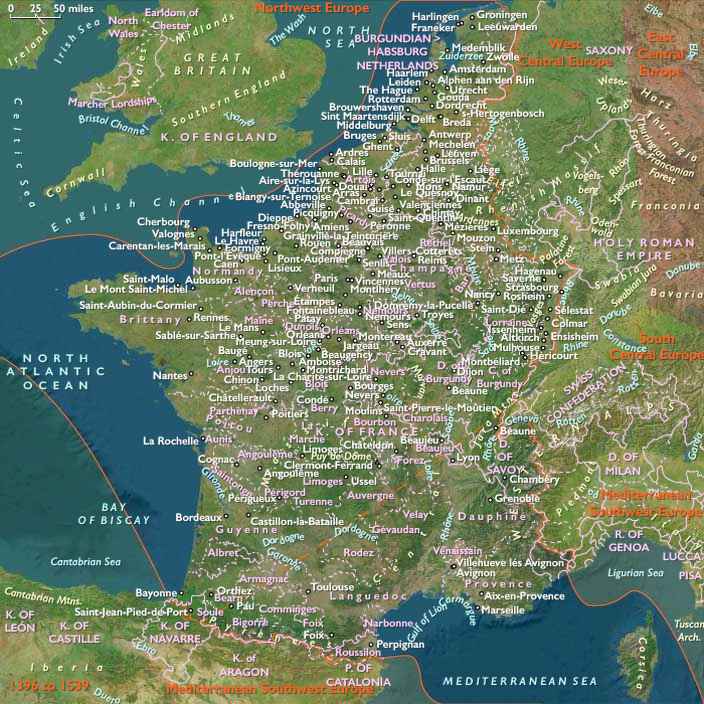
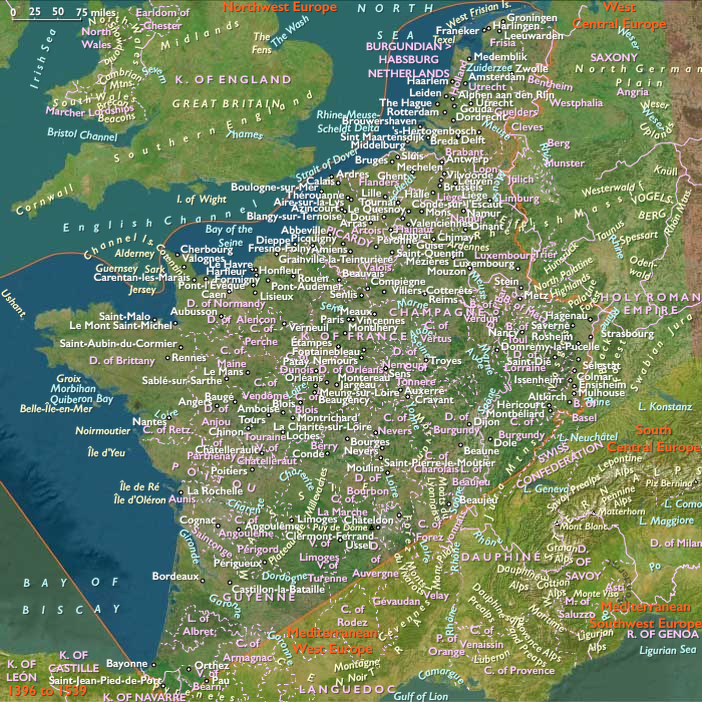
Partition of Burgundian Territories
As a result of this diplomatic defeat, the once-extensive Burgundian domains were effectively partitioned:
- The northern Burgundian territories, including Flanders, the Netherlands, and Brabant, remained under Habsburg control.
- The core ancestral territory of the Duchy of Burgundy itself, along with strategic frontier territories such as Artois and the Franche-Comté, passed directly to the French crown.
This territorial partition decisively reshaped the political map of Western Europe, consolidating French royal power while permanently dividing the historically influential Burgundian inheritance.
Long-term Consequences and Historical Significance
The Treaty of Arras marked a watershed in late medieval European history, highlighting the complex interactions of urban autonomy, dynastic ambition, and international diplomacy. The outcome substantially weakened Maximilian's immediate authority in the Low Countries and allowed France to assert greater dominance over Burgundy itself, ending Burgundian independence as a distinct political entity.
In broader geopolitical terms, the treaty profoundly shaped subsequent European conflicts, laying foundations for future confrontations between the Habsburg and French monarchies. Maximilian’s humiliation at Arras spurred his later determination to restore Habsburg prestige, setting the stage for enduring Habsburg-Valois rivalries that dominated the European political landscape throughout the 16th century.
Thus, the events of 1482 vividly illustrate how regional revolts, diplomatic intrigues, and dynastic crises significantly reshaped the political trajectory of late medieval and early modern Atlantic West Europe.
Locations
People
Groups
- Flanders, County of
- Austria, Archduchy of
- Artois, County of
- Netherlands, Burgundian
- Holy Roman Empire
- Franche-Comté (province of the Holy Roman Empire)
- Netherlands, Habsburg
Topics
Commodoties
Subjects
Regions
Subregions
Years: 1482 - 1482
Locations
People
Groups
- Flanders, County of
- Austria, Archduchy of
- Artois, County of
- Netherlands, Burgundian
- Holy Roman Empire
- Franche-Comté (province of the Holy Roman Empire)
- Netherlands, Habsburg
Topics
Commodoties
Subjects
Regions
Subregions