
The Boreal Period: A Transitional Phase in …
Years: 7821BCE - 6094BCE
The Boreal Period: A Transitional Phase in Holocene Climate (c. 9500–7000 BCE)
The Boreal Period (c. 9500–7000 BCE) represents a key transitional phase in the Holocene paleoclimate, situated between the Younger Dryas—the last cold snap of the Pleistocene—and the Atlantic Period, which ushered in warmer and moister conditions than those of the present day.
Although the Boreal climate varied over time, it generally resembled modern conditions, with fluctuating temperatures and precipitation patterns. However, ice core data suggests that around 7911 BCE, a series of seven massive volcanic eruptions—from unknown locations—triggered a prolonged cooling event, which lasted for several centuries and ended around 7090 BCE.
The Transition to the Holocene Climatic Optimum
As the Boreal Period faded, it gave way to:
- The Neolithic Subpluvial (also known as the Holocene Climatic Optimum or Holocene Wet Phase)—a prolonged wet and rainy period that dramatically affected northern Africa, transforming what is now the Sahara Desert into a lush, habitable environment.
- The Atlantic Period, the warmest phase of the Holocene, coinciding with the Neolithic Subpluvial and further shaping the rise of early human civilizations through agriculture and permanent settlement expansion.
Glacial Retreat and Rising Sea Levels in the Holocene
The Holocene Epoch is characterized by the gradual retreat of glacial ice, which reshaped landscapes worldwide. However, between 12,000 and 5000 BCE, massive inland flooding occurred in various regions, leading to abrupt sea level rises.
These rising waters significantly altered coastal landscapes, forcing human populations to migrate inland and adapt to changing environmental conditions. Such rapid shifts may have contributed to oral traditions and flood mythsfound in various ancient cultures, reflecting the profound impact of these climatic events on early human societies.
The Boreal Period thus stands as a pivotal era, bridging the Ice Age and the Holocene's stable climate, setting the stage for human expansion, agriculture, and the development of early civilizations.
Topics
- Neolithic Revolution
- Boreal Period
- Neolithic Subpluvial, or Holocene climatic optimum, or Holocene Wet Phase
- Atlantic Period during the Neolithic Subpluvial
- 8.2 kiloyear event during the Neolithic Subpluvial
Subjects
Regions
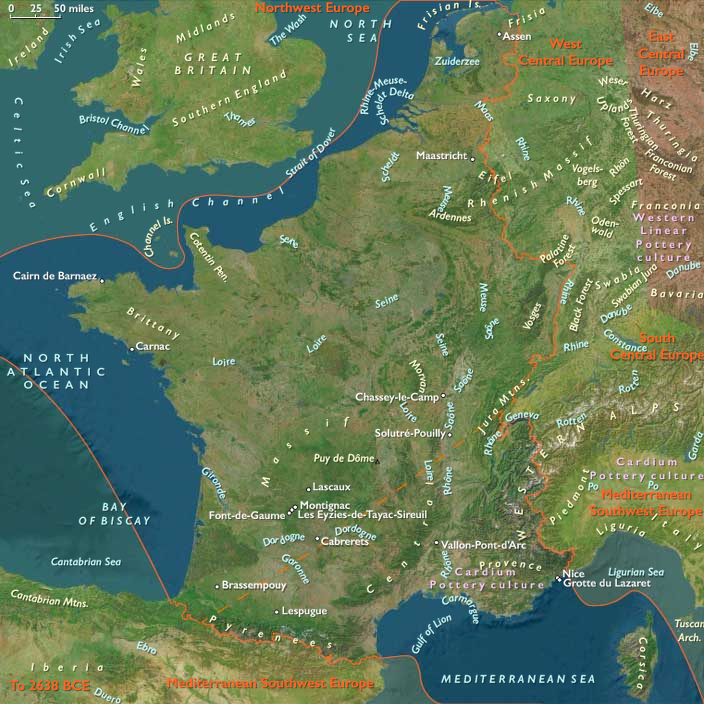
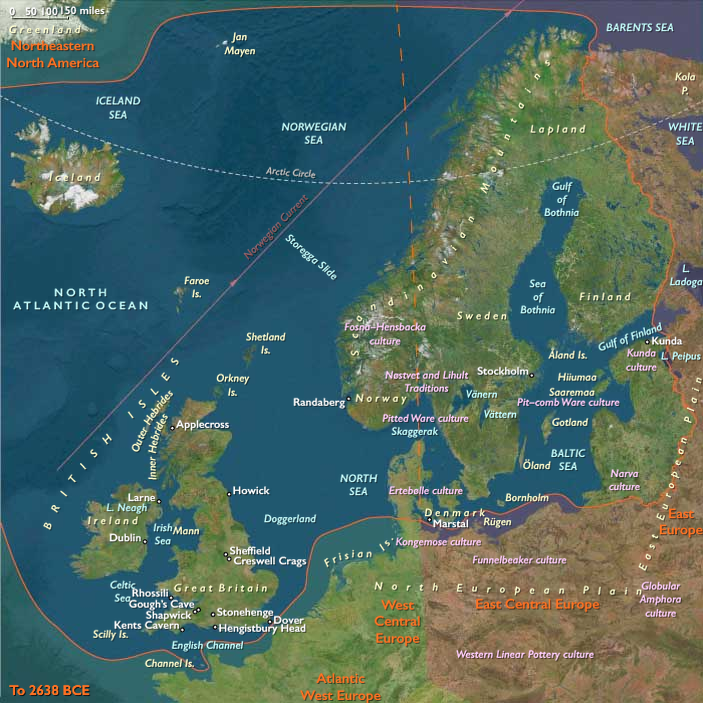
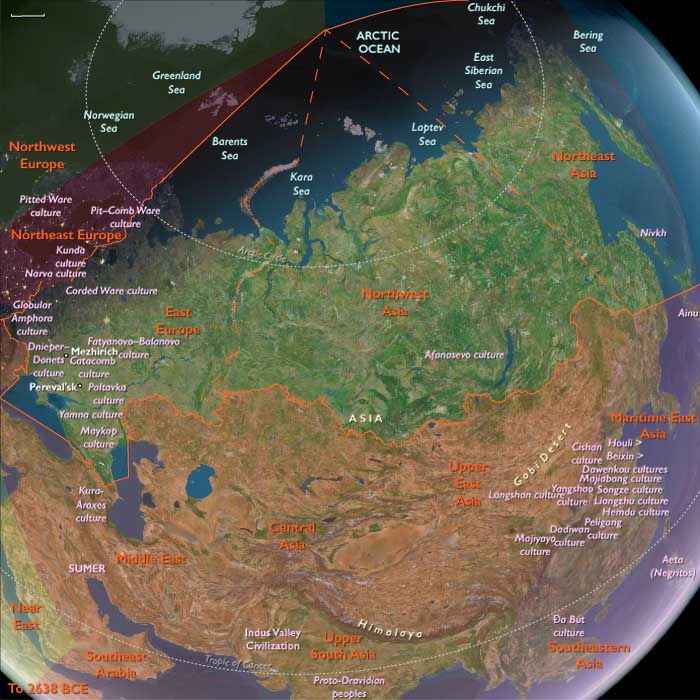
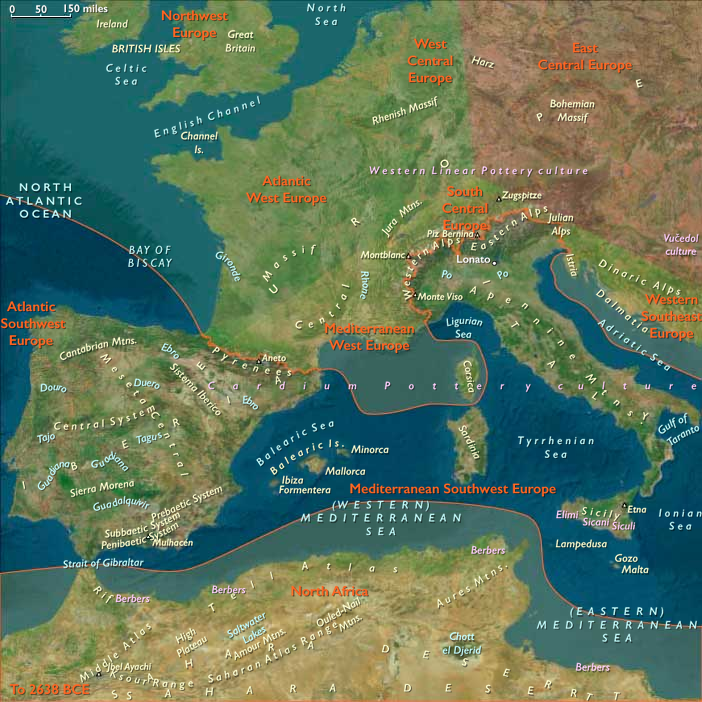
Subregions
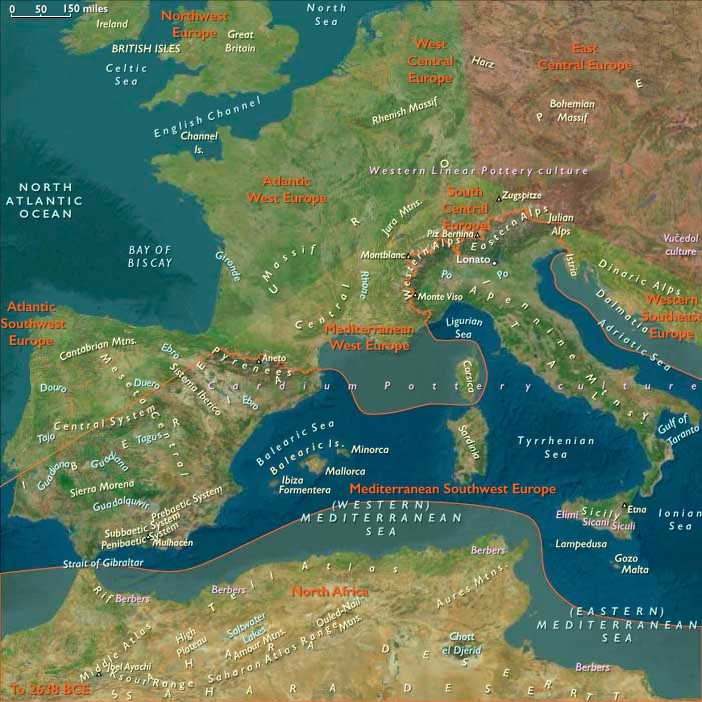
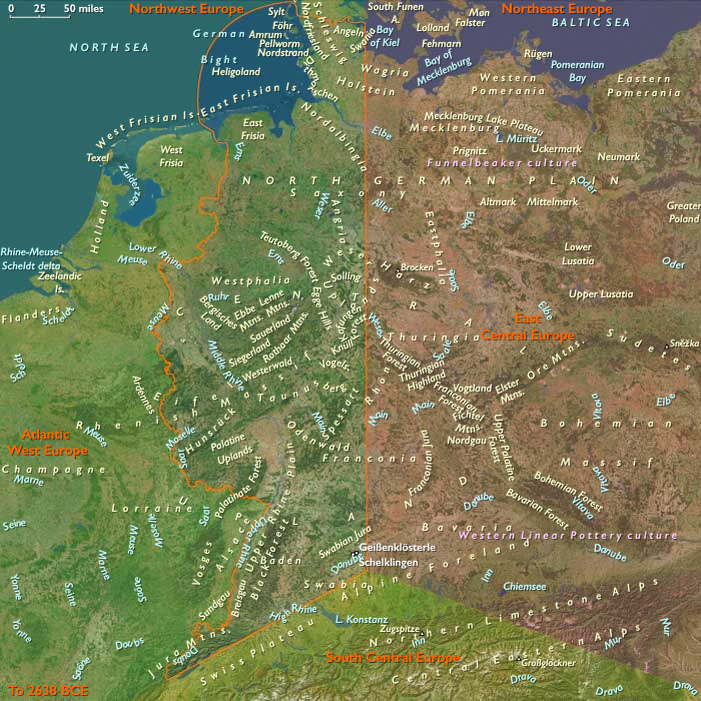
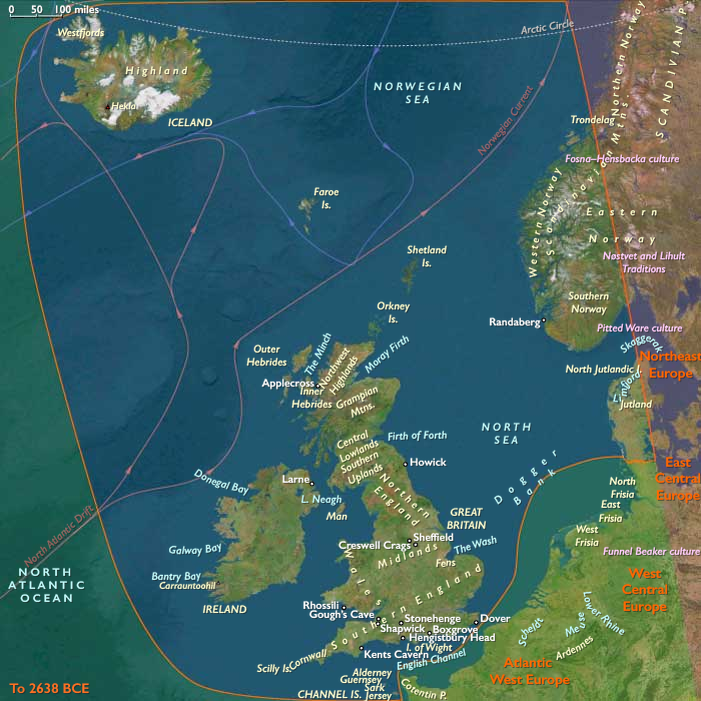
- East Europe
- Northeast Europe
- East Central Europe
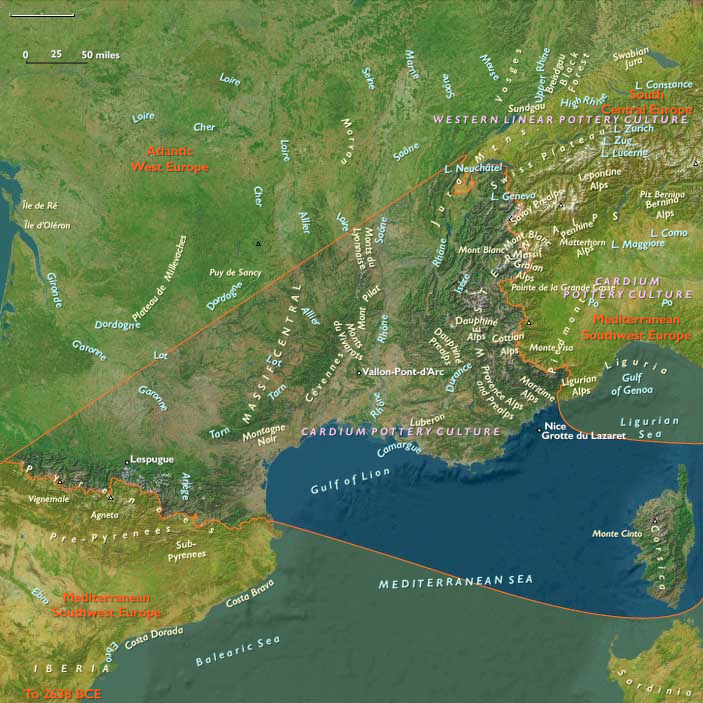
- South Central Europe
- Mediterranean West Europe
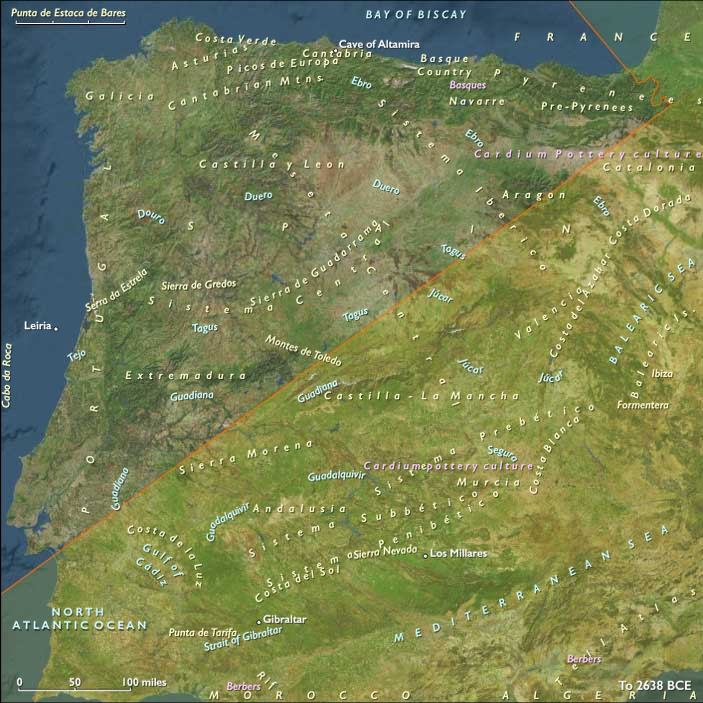
- Mediterranean Southwest Europe
- Atlantic Southwest Europe
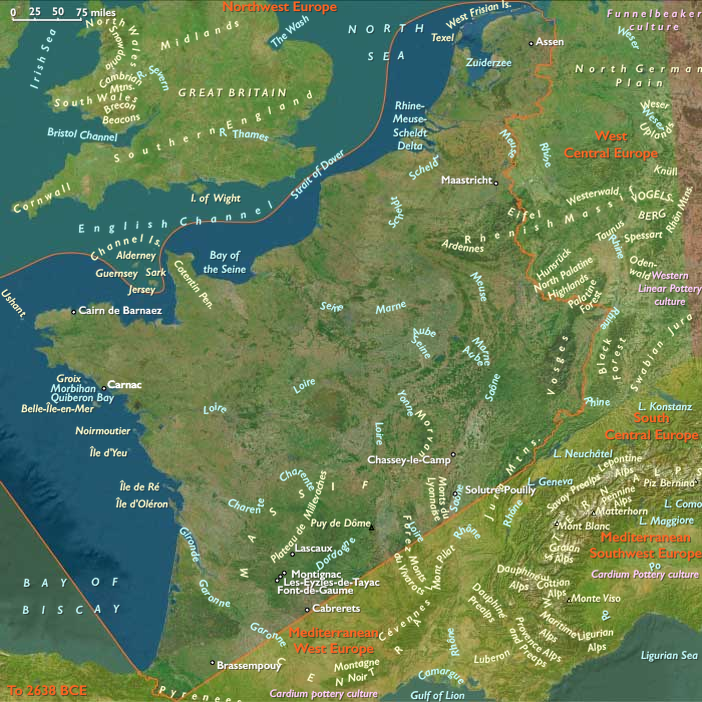
- Atlantic West Europe
- West Central Europe
- Northwest Europe
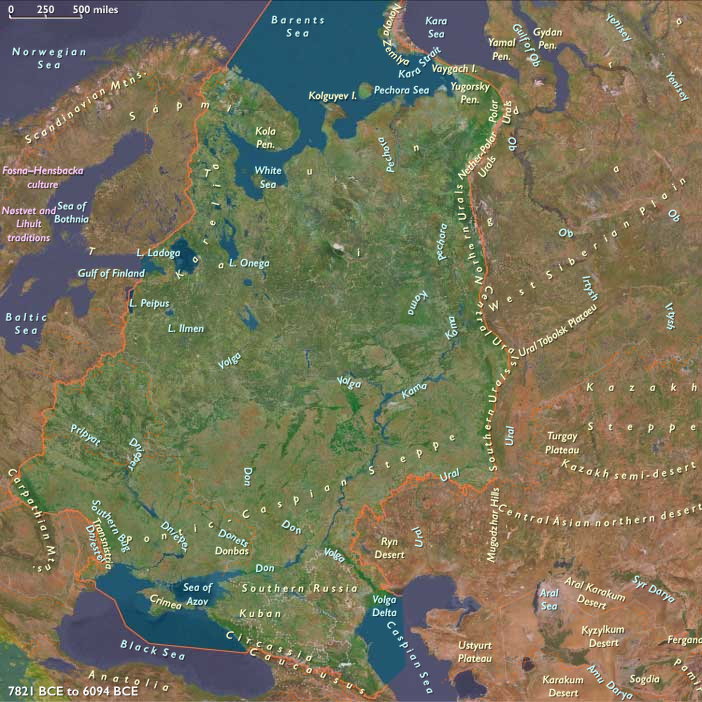
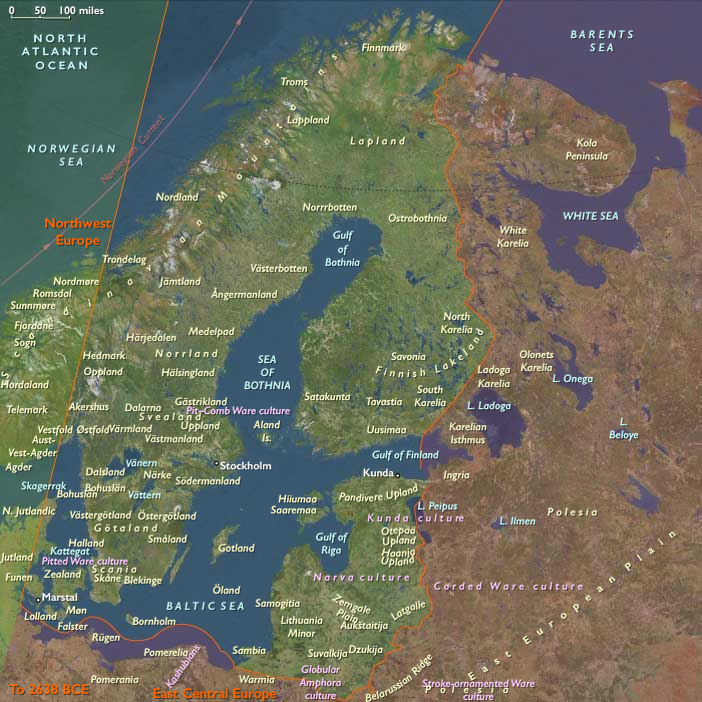
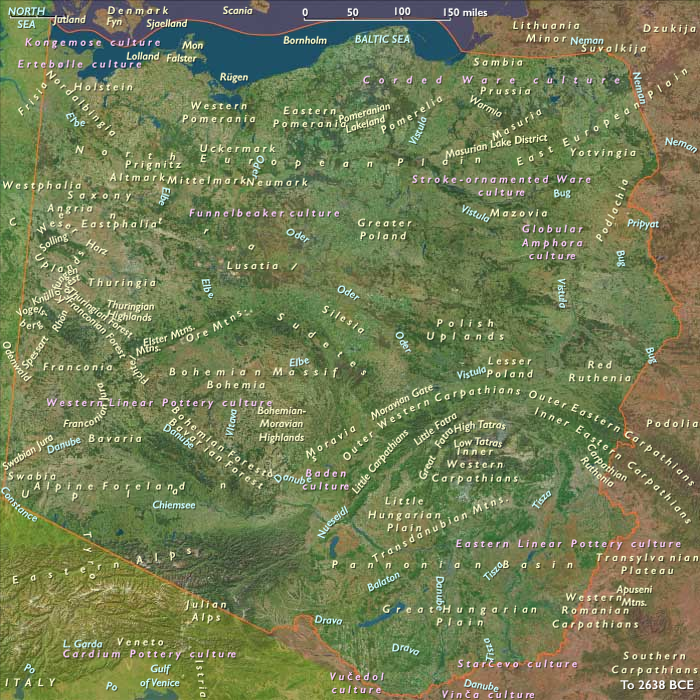
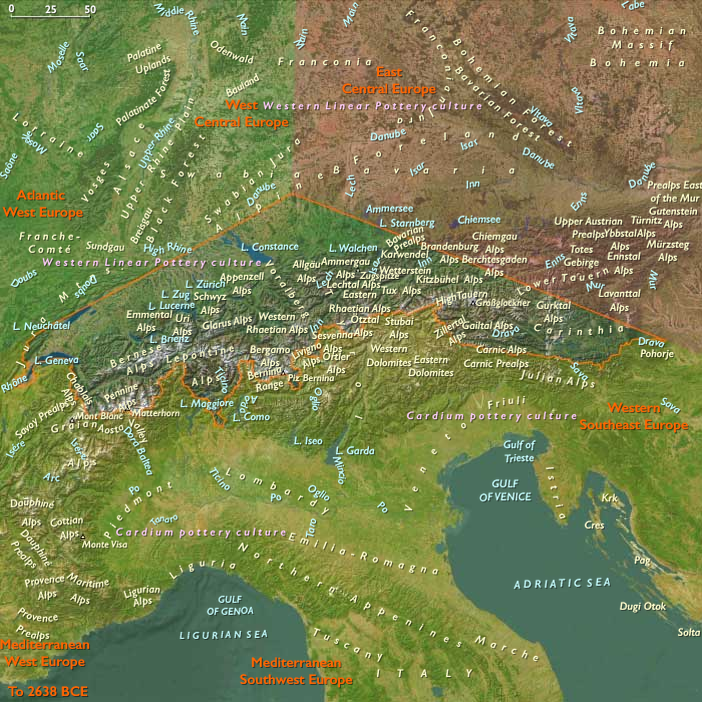
Years: 7821BCE - 6094BCE
Topics
- Neolithic Revolution
- Boreal Period
- Neolithic Subpluvial, or Holocene climatic optimum, or Holocene Wet Phase
- Atlantic Period during the Neolithic Subpluvial
- 8.2 kiloyear event during the Neolithic Subpluvial
Subjects
Regions
Subregions
- East Europe
- Northeast Europe
- East Central Europe
- South Central Europe
- Mediterranean West Europe
- Mediterranean Southwest Europe
- Atlantic Southwest Europe
- Atlantic West Europe
- West Central Europe
- Northwest Europe