
The Middle East, 909 to 898 BCE: …
Years: 909BCE - 898BCE
The Middle East, 909 to 898 BCE: Expansion of Assyrian Dominance
Rise and Consolidation under Adad-nirari II
The Middle East experiences a pivotal shift with the emergence and rapid consolidation of the Neo-Assyrian Empire, initiated by the reign of King Adad-nirari II in 911 BCE. Succeeding his father, Ashur-dan II, Adad-nirari II embarks on ambitious military campaigns, significantly extending Assyrian control over territories eastward and northward.
Military Campaigns and Regional Subjugation
Adad-nirari II secures crucial victories against neighboring rivals, notably subjugating prominent Aramaean settlements and city-states, including Kadmuh and Nisibin. These victories yield considerable treasure, bolstering the economic strength of Assyria and stabilizing the strategically significant Khabur River region. The empire strategically resettles populations from conquered areas, dispersing them to distant territories to reduce resistance and fortify Assyrian rule.
Linguistic and Cultural Developments
In this period, Aramaic is formally recognized alongside Akkadian as an official language, reflecting the diverse linguistic landscape and administrative needs of the expanding empire. This significant administrative reform facilitates effective governance across the vast and culturally varied Assyrian territories.
Subjugation of Babylonia
A major milestone during this era is Assyria's successful campaigns against its traditional southern rival, Babylonia. By 904 BCE, Babylonia is effectively reduced to vassal status, marking a decisive shift in regional power dynamics and affirming Assyrian supremacy.
Historical Documentation and Chronological Precision
Adad-nirari II’s ascension in 911 BCE is of particular historical importance because it represents one of the earliest precisely dateable events in ancient Middle Eastern history. Comprehensive eponym lists meticulously document Assyrian history from this period onward, providing a reliable chronological framework that greatly enhances scholarly understanding of regional events.
This foundational era of Assyrian power not only redefines the political and military landscapes of the Middle East but also establishes the empire as a lasting force that shapes regional history profoundly in subsequent centuries.
People
Groups
- Aramaeans
- Aram-Damascus (Syria), Kingdom of
- Babylon, Kingdom of
- Assyria, (New) Kingdom of (Neo-Assyrian Empire)
Topics
Subjects
Regions
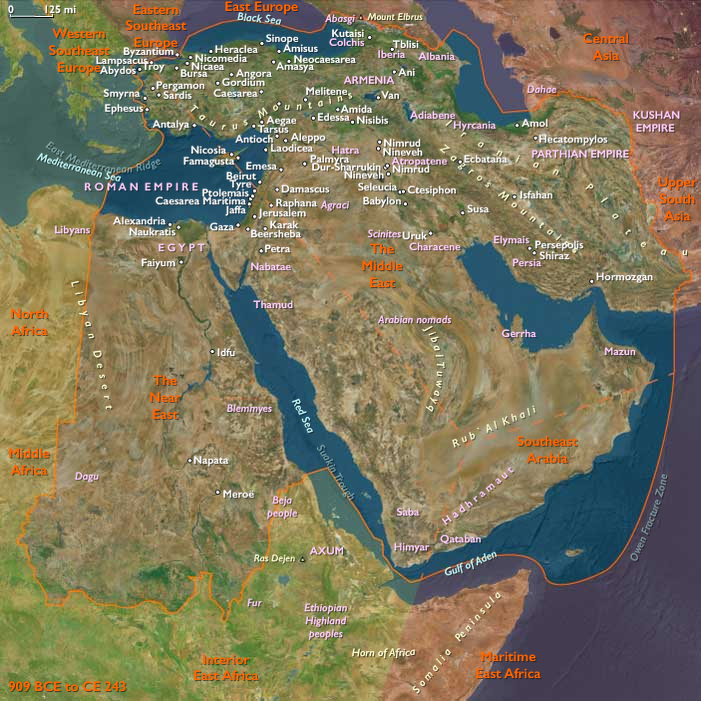
Subregions
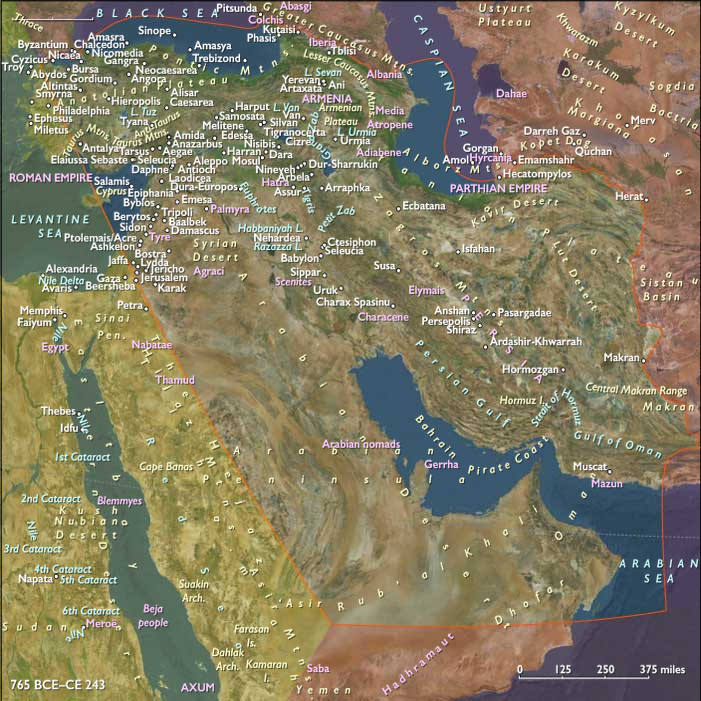
Years: 909BCE - 898BCE
People
Groups
- Aramaeans
- Aram-Damascus (Syria), Kingdom of
- Babylon, Kingdom of
- Assyria, (New) Kingdom of (Neo-Assyrian Empire)
Topics
Subjects
Regions
Subregions