
The Near East (885–874 BCE): Dynastic Turmoil …
Years: 885BCE - 874BCE
The Near East (885–874 BCE): Dynastic Turmoil and Strategic Realignments
Dynastic Conflict and the Rise of Omri in Israel
In the Northern Kingdom of Israel, King Baasha maintains power throughout his life, yet his rule is marked by continued political opposition and prophetic denunciation. The prophet Jehu, son of Hanani, foretells the demise of Baasha’s dynasty—a prophecy swiftly realized upon Baasha's death. His son Elah reigns merely two years before being assassinated during a drunken episode by Zimri, a military commander. Zimri proceeds to eliminate all surviving members of Baasha's lineage, asserting his own claim to power.
However, Zimri's control is short-lived, enduring only seven days. Facing immediate opposition from Omri, commander of Israel's army, Zimri is besieged at the citadel of Tirzah. Realizing his situation is hopeless, Zimri sets fire to the palace, dying in the flames. Subsequently, Omri ascends to the throne, but only after four turbulent years of civil conflict with another claimant, Tibni. Finally consolidating his authority around 875 BCE, Omri relocates the kingdom’s capital permanently to the city of Samaria, fortifying Israel's political and strategic stability.
Religious Reform and Decline of Asa in Judah
In Judah, King Asa continues his efforts toward centralizing political authority and instituting significant religious reforms, focusing particularly on suppressing idolatrous practices. However, his reign becomes marked by controversy following an admonishment from Hanani the Seer, who criticizes Asa’s reliance on political alliances, specifically his dependence on Ben-Hadad I, King of Aram Damascus, instead of divine support, to counter Israelite aggression. Reacting angrily, Asa imprisons Hanani, signaling a deterioration in his previous adherence to justice and religious devotion.
In the latter part of his rule, Asa develops a debilitating disease in his feet, yet notably seeks remedies exclusively from physicians rather than spiritual assistance. During this period, he appoints his son Jehoshaphat as coregent, ensuring continuity amid declining health and waning influence.
Egyptian Dynastic Succession and Stability
Meanwhile, Egypt experiences relative stability under Takelot I, who peacefully succeeds his father, Osorkon I, as king of the Twenty-second Dynasty. His reign is generally uneventful, maintaining the prosperity initiated by his predecessors. Upon Takelot's death in 874 BCE, Osorkon II ascends to the throne, continuing the dynasty’s established stability.
Summary of the Era
Between 885 and 874 BCE, the Near East sees significant dynastic upheaval and consolidation in Israel under Omri, religious and political tension in Judah under Asa, and sustained dynastic continuity in Egypt. These events illustrate the complexities of leadership, political intrigue, and the enduring challenges of governance during this era.
People
- Asa of Judah
- Baasha of Israel
- Ben-Hadad I
- Elah of Israel
- Jehoshaphat
- Jehu (prophet)
- Nadab
- Omri of Israel
- Osorkon I
- Osorkon II
- Takelot I
- Tibni
- Zimri
Groups
- Aram-Damascus (Syria), Kingdom of
- Egypt (Ancient), Third Intermediate Period of
- Judah, Kingdom of
- Israel (Northern Kingdom of)
Subjects
Regions
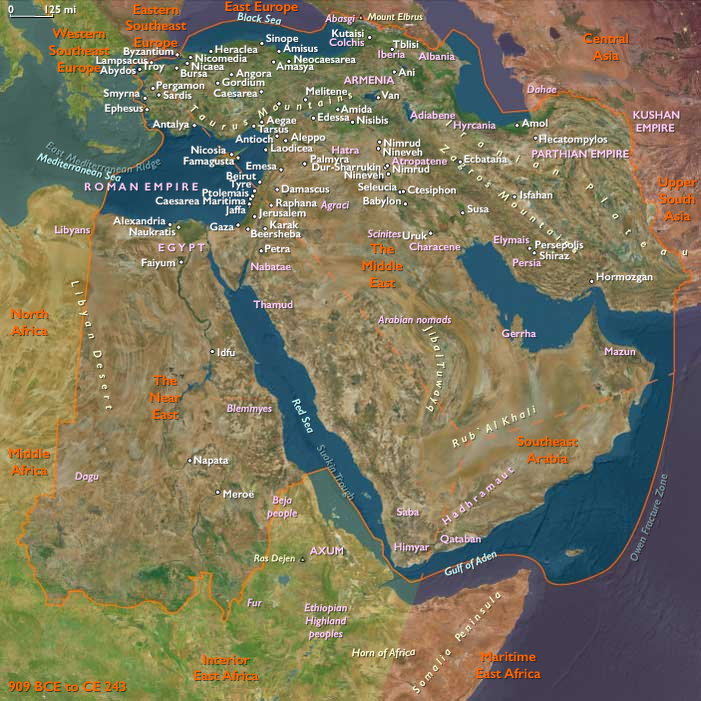
Subregions
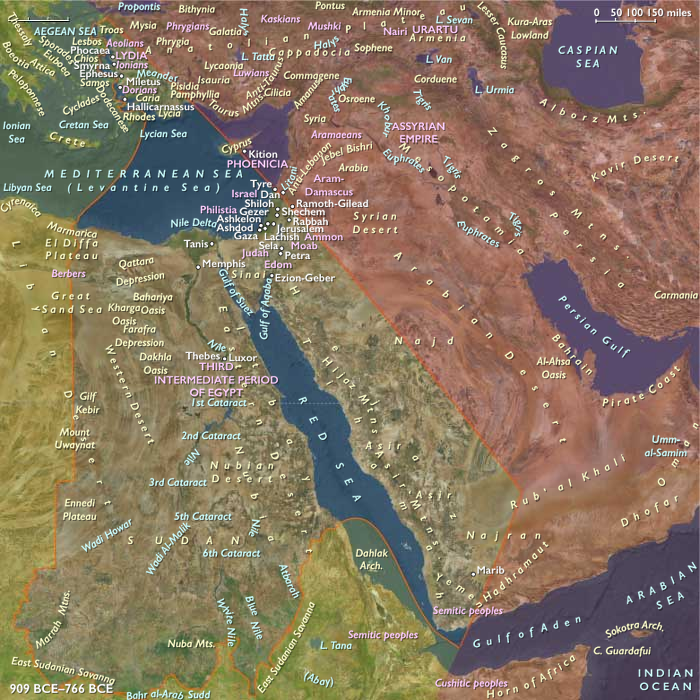
Related Events
Showing 10 events out of 12 total
Years: 885BCE - 874BCE
People
- Asa of Judah
- Baasha of Israel
- Ben-Hadad I
- Elah of Israel
- Jehoshaphat
- Jehu (prophet)
- Nadab
- Omri of Israel
- Osorkon I
- Osorkon II
- Takelot I
- Tibni
- Zimri
Groups
- Aram-Damascus (Syria), Kingdom of
- Egypt (Ancient), Third Intermediate Period of
- Judah, Kingdom of
- Israel (Northern Kingdom of)
Subjects
Regions
Subregions