
Rabban Bar Sauma: Kublai Khan’s Emissary to …
Years: 1276 - 1287
Rabban Bar Sauma: Kublai Khan’s Emissary to Christian Europe
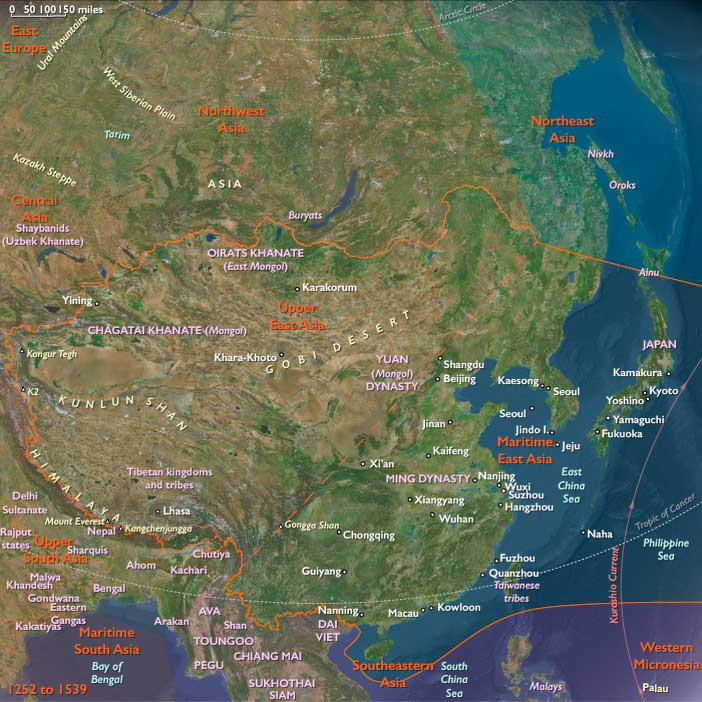
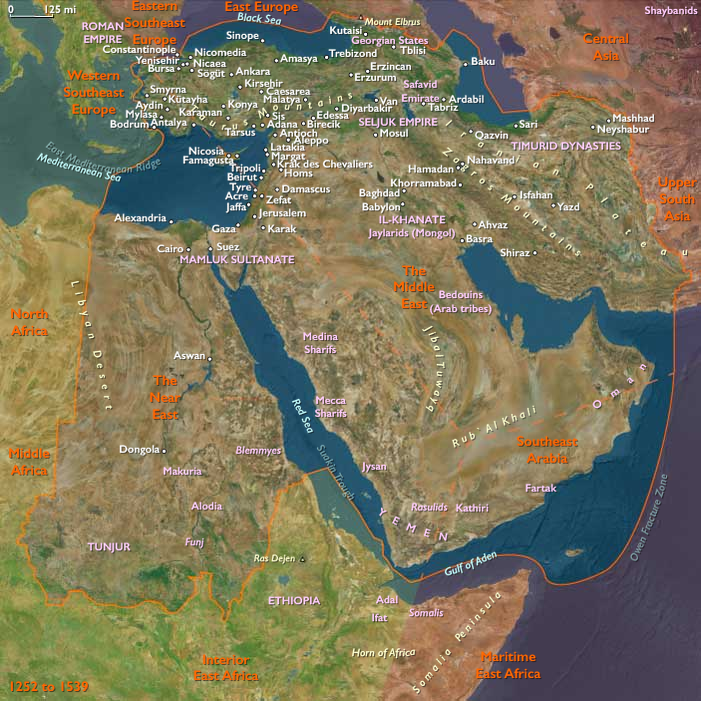
Rabban Bar Sauma, a Nestorian Christian of Turkic origin, embarked on a remarkable diplomatic mission to Europe in the late 13th century, serving as an emissary of the Ilkhanate, a Mongol state established in Persia under Hülegü Khan, a grandson of Genghis Khan. His journey was part of a broader Mongol effort to forge alliances with Christian monarchs against the Muslim rulers of the Holy Land, particularly the Mamluks of Egypt, who posed a significant threat to both Mongol and Christian interests.
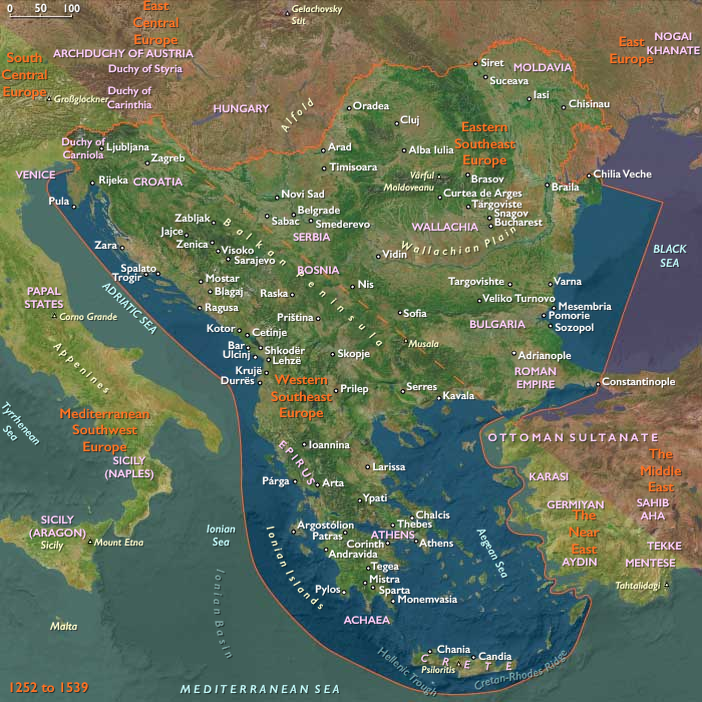
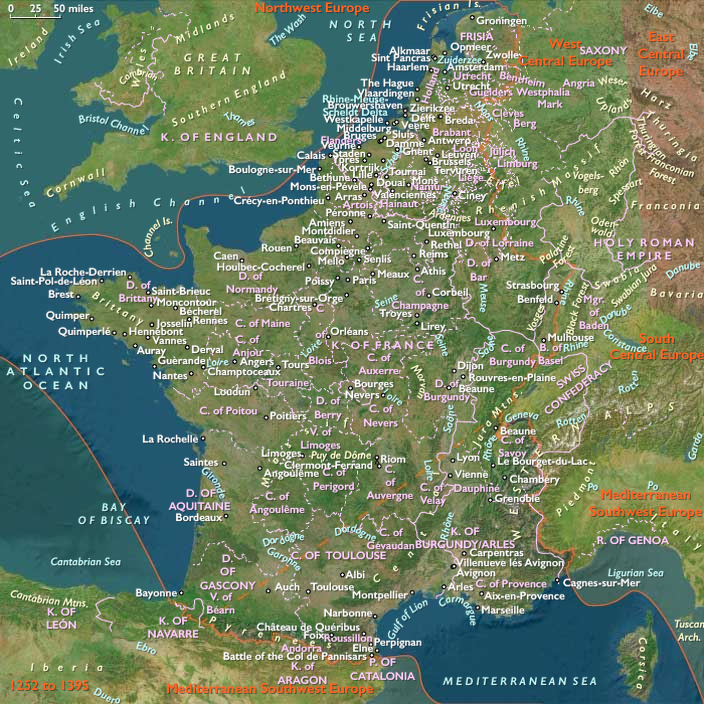
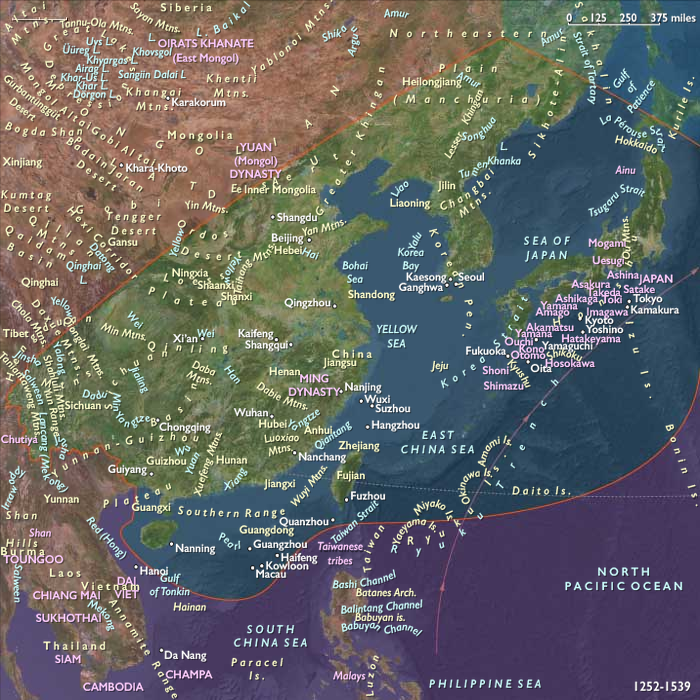
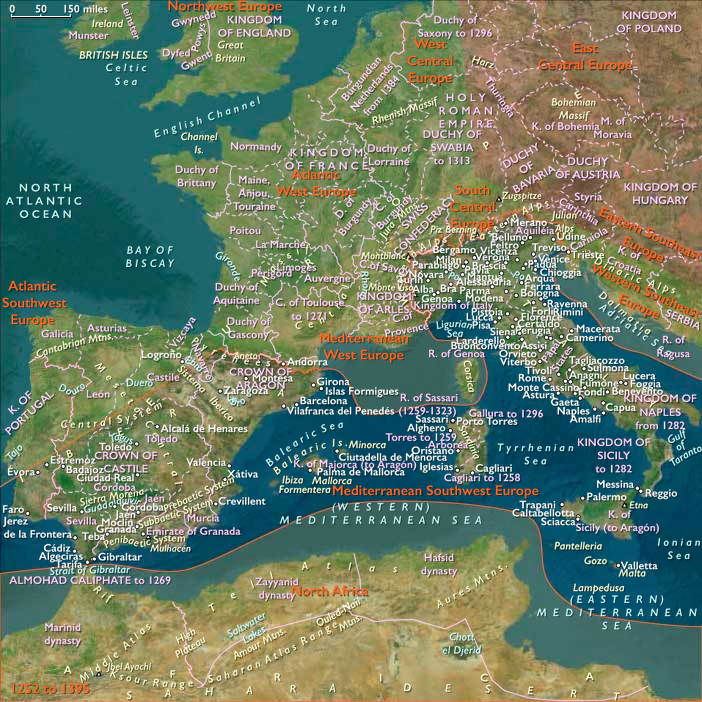
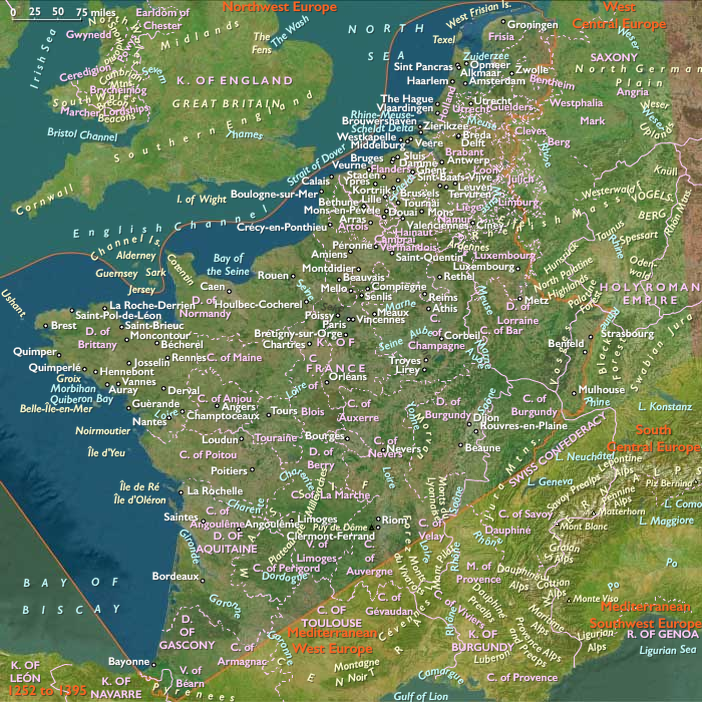
Originally a monk from China, Bar Sauma had risen to prominence within the Nestorian Church before being entrusted with this diplomatic endeavor by Ilkhan Arghun (r. 1284–1291). His travels took him to the courts of Pope Nicholas IV, King Philip IV of France, and King Edward I of England, where he relayed Mongol proposals for a coordinated military campaign. Although well received, his mission ultimately failed to secure a formal alliance, as Europe remained preoccupied with its own political conflicts and internal struggles.
Despite its diplomatic shortcomings, Bar Sauma’s journey remains historically significant as a rare instance of east-to-west travel and diplomacy, providing a fascinating counterpoint to the more widely known expeditions of Marco Polo. His detailed account of European customs, courtly life, and religious practices stands as an invaluable record of late 13th-century cross-cultural exchange.
People
- Arghun
- Edward I of England
- Kublai Khan
- Marco Polo
- Philip IV of France
- Pope Nicholas IV
- Rabban Bar Sauma
Groups
- Christians, Eastern (Diophysite, or “Nestorian”) (Church of the East)
- Muslims, Sunni
- France, (Capetian) Kingdom of
- Christians, Roman Catholic
- Christians, Eastern Orthodox
- Mongols
- England, (Plantagenet, Angevin) Kingdom of
- Mongol Empire
- Egypt and Syria, Mamluk Bahri Sultanate of
- Il-khanate
- Chinese Empire, Yüan, or Mongol, Dynasty
Topics
Subjects
Regions
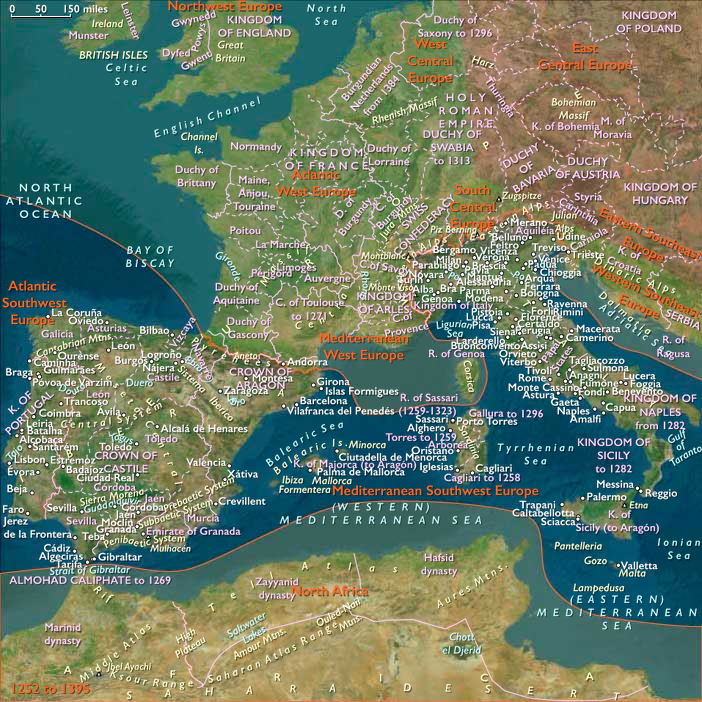
Subregions
- Maritime East Asia
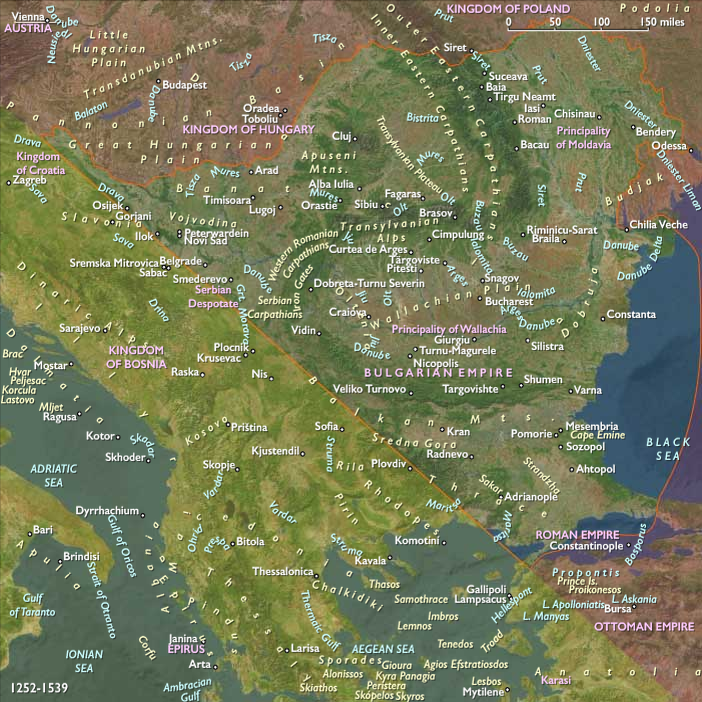
- Eastern Southeast Europe
- Middle East
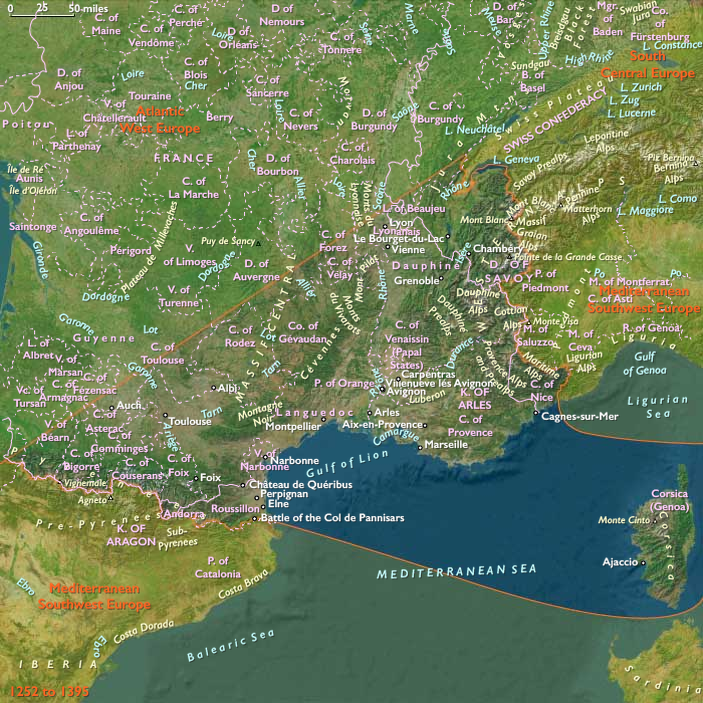
- Mediterranean West Europe
- Mediterranean Southwest Europe
- Atlantic West Europe

Related Events
Showing 1 events out of 1 total
Years: 1276 - 1287
People
- Arghun
- Edward I of England
- Kublai Khan
- Marco Polo
- Philip IV of France
- Pope Nicholas IV
- Rabban Bar Sauma
Groups
- Christians, Eastern (Diophysite, or “Nestorian”) (Church of the East)
- Muslims, Sunni
- France, (Capetian) Kingdom of
- Christians, Roman Catholic
- Christians, Eastern Orthodox
- Mongols
- England, (Plantagenet, Angevin) Kingdom of
- Mongol Empire
- Egypt and Syria, Mamluk Bahri Sultanate of
- Il-khanate
- Chinese Empire, Yüan, or Mongol, Dynasty
Topics
Subjects
Regions
Subregions
- Maritime East Asia
- Eastern Southeast Europe
- Middle East
- Mediterranean West Europe
- Mediterranean Southwest Europe
- Atlantic West Europe