
The Middle East, 885 to 874 BCE: …
Years: 885BCE - 874BCE
The Middle East, 885 to 874 BCE: Expansion and Brutality Under Ashurnasirpal II
The Neo-Assyrian Empire enters a dramatically expansive era with the accession of Ashurnasirpal II in 883 BCE, succeeding his father Tukulti-Ninurta II. Recognizing the limitations of Assyria’s poor agricultural base to sustain a growing population, Ashurnasirpal embarks on aggressive military campaigns to plunder neighboring regions, solidifying a growing imperial ideology rooted in the supremacy of the god Ashur.
Military Conquests and Imperial Control
Ashurnasirpal II strategically shifts from reliance on tributary client states to direct Assyrian administration by appointing Assyrian governors, drastically reducing the risk of rebellion. His military strategy, characterized by brutality, terrorizes enemies into submission. This approach is exemplified in the suppression of a revolt in the city of Suru in Bit-Halupe, where captured rebels suffer gruesome punishments as a stark warning to others.
Expansion to the Mediterranean
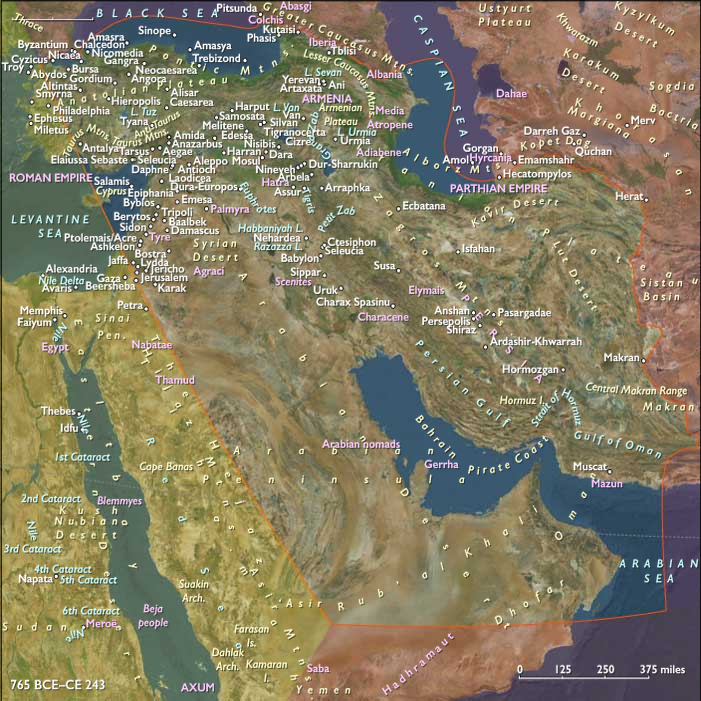
By 877 BCE, Ashurnasirpal’s campaigns have reached the Mediterranean coast, marking a significant milestone as an Assyrian army touches these shores for the first time. He imposes tribute upon Phoenician city-states without destroying them, exploiting their access to valuable resources such as Lebanese cedar, iron, gold, and silver—materials crucial to Assyria’s military and architectural ambitions.
Kalhu (Nimrud): A New Imperial Capital
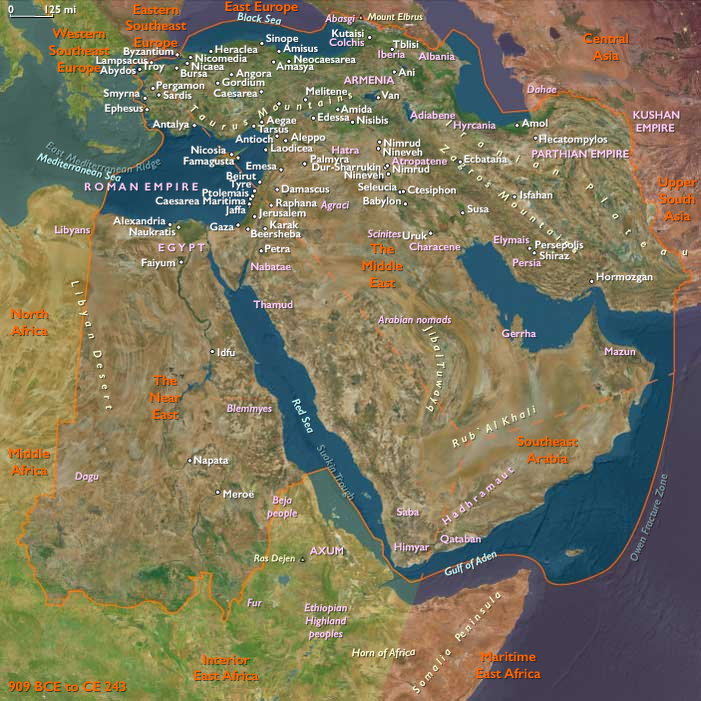
In 879 BCE, Ashurnasirpal relocates his capital to Kalhu (Nimrud), situated in modern-day Iraq north of Baghdad. Here, he employs thousands of enslaved captives to construct grand palaces, temples, and public buildings. The opulence of these constructions, notably the North-West Palace, stands as a testament to Assyrian wealth and artistry.
Ashurnasirpal’s palaces feature elaborate alabaster reliefs depicting the king’s military prowess, hunting achievements, and divine favor. Each relief contains inscriptions—known as the Standard Inscription—detailing the king’s lineage, military successes, imperial boundaries, and the founding of Kalhu.
Cultural Influence and Legacy
Assyria’s dominance significantly impacts neighboring regions. In Cyprus, particularly in Salamis, archaeological evidence from the Late Bronze Age III and Early Iron Age reveals significant Phoenician presence, indicated by children’s burials in Canaanite jars, highlighting the interconnected nature of Mediterranean trade networks influenced by Assyrian expansion.
Archaeological Discoveries
The grandeur of Ashurnasirpal II’s reign is rediscovered in the 1840s by British archaeologist A.H. Layard, who excavates the North-West Palace in Nimrud. Today, these alabaster reliefs are preserved and displayed in prestigious museums worldwide, including the British Museum in London, providing lasting insights into the power and splendor of the Neo-Assyrian Empire under Ashurnasirpal II.
People
Groups
- Aramaeans
- Phoenicians
- Medes
- Syro-Hittite states
- Aram-Damascus (Syria), Kingdom of
- Babylon, Kingdom of
- Assyria, (New) Kingdom of (Neo-Assyrian Empire)
- Cyprus, Classical
Topics
Commodoties
Subjects
Regions
Subregions
Related Events
Showing 2 events out of 2 total
Years: 885BCE - 874BCE
People
Groups
- Aramaeans
- Phoenicians
- Medes
- Syro-Hittite states
- Aram-Damascus (Syria), Kingdom of
- Babylon, Kingdom of
- Assyria, (New) Kingdom of (Neo-Assyrian Empire)
- Cyprus, Classical
Topics
Commodoties
Subjects
Regions
Subregions