
The Middle East, 861 to 850 BCE: …
Years: 861BCE - 850BCE
The Middle East, 861 to 850 BCE: Emergence of Urartu and Iranian Peoples
During the era 861 to 850 BCE, significant political shifts occur in the northern and eastern regions surrounding Assyria, notably with the emergence of Urartu as a unified kingdom and the early consolidation of Iranian peoples on the Iranian Plateau.
The Rise of Urartu
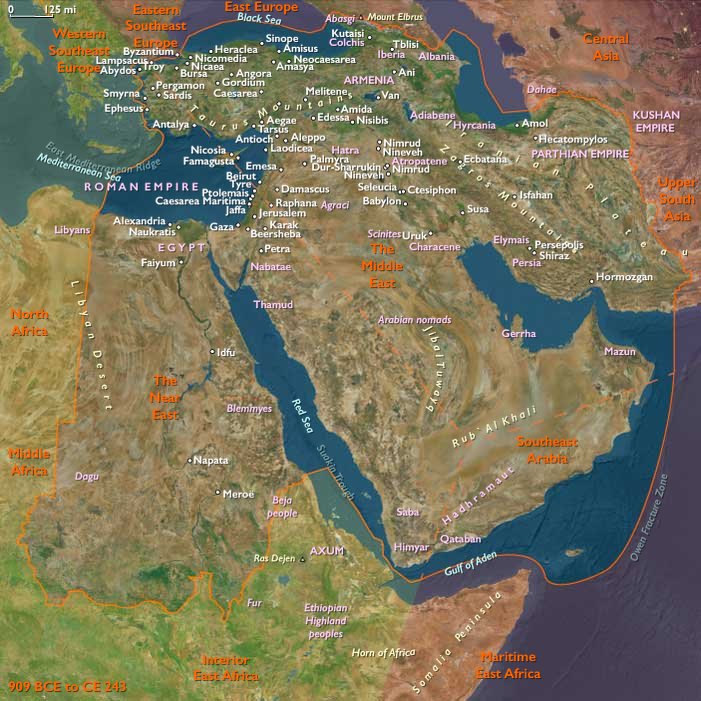
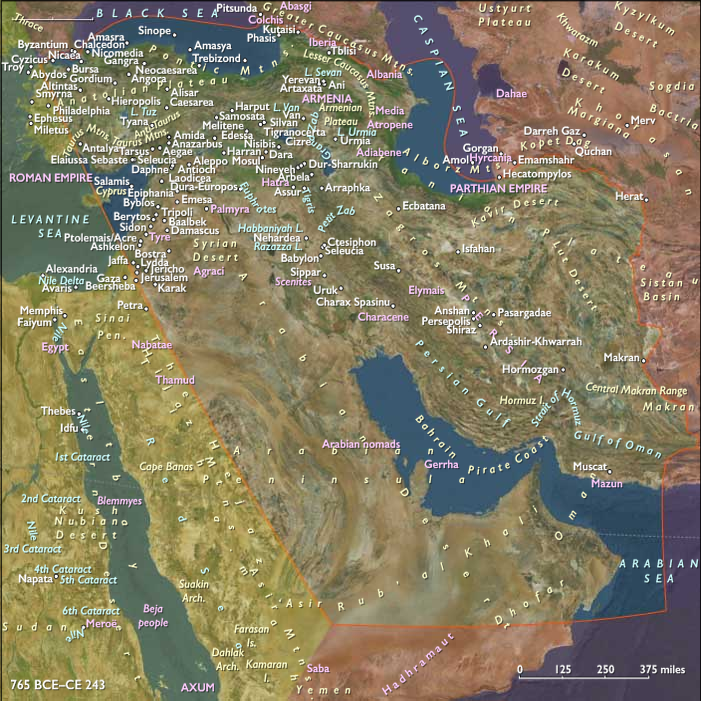
Originally one of the fragmented states of Nairi, located in the Armenian Highlands around Lake Van, Urartu (also known as Uruartri) transitions into a cohesive kingdom under King Aramu (circa 860–843 BCE). Earlier Assyrian inscriptions from rulers such as Tukulti-Ninurta I, Tiglath-Pileser I, and Ashurnasirpal II repeatedly mention conflicts with the Nairi states. However, by this era, these disparate tribes and small kingdoms coalesce, transforming Urartu into a formidable rival to Assyrian dominance in the north. This consolidation signifies a critical turning point in the balance of power, presenting new challenges to Assyria’s northern frontier.
Neo-Assyrian Imperial Iconography
The Neo-Assyrian kings continue to solidify their image as formidable warriors and divinely favored rulers. Monumental sculptures featuring man-headed winged bulls, known as lamassu, increasingly dominate Assyrian art and architecture. These imposing figures serve both protective and propagandistic roles, symbolizing royal power and divine guardianship throughout the expanding Assyrian realm.
Arrival and Consolidation of Iranian Peoples
Around this period, the Iranian peoples—descendants of the ancient Indo-Iranians—further establish their presence on the Iranian plateau. Significant among these groups are the Old Persians, who by 850 BCE refer to themselves as the Parsa, occupying territory around Persis (modern-day Fars Province), bounded by the Tigris River to the west and the Persian Gulf to the south. Assyrian inscriptions from the ninth century BCE provide the earliest known written references to these peoples, naming them as Parsuash and Parsua.
These early Iranian communities, initially pastoral and nomadic, gradually settle and consolidate, laying the foundations for future empires. Their cultural identity revolves around a shared linguistic heritage and religious traditions centered on the worship of Ahura Mazda, a pivotal deity in their emerging religious framework.
Geopolitical Shifts
The concurrent rise of Urartu and the arrival and settlement of the Iranian peoples on Assyria’s northern and eastern frontiers mark the beginning of significant geopolitical changes. These developments signal an era of emerging regional powers that will profoundly influence the political and cultural landscape of the Middle East in the subsequent centuries.
People
Groups
Topics
Commodoties
Subjects
Regions
Subregions
Years: 861BCE - 850BCE
People
Groups
Topics
Commodoties
Subjects
Regions
Subregions