
The Middle East, 849 to 838 BCE: …
Years: 849BCE - 838BCE
The Middle East, 849 to 838 BCE: Assyrian Expansion and Regional Resistance
During the era 849 to 838 BCE, the Assyrian Empire, under Shalmaneser III, significantly intensifies its military campaigns, resulting in decisive victories and further consolidation of power. Meanwhile, the Iranian peoples continue to expand their presence, notably the Medes, who emerge distinctly within Assyrian records.
Assyrian Campaigns and Regional Subjugation
In 842 BCE, Shalmaneser III conducts a devastating military campaign against Damascus, significantly weakening this prominent Aramean kingdom. Following this conquest, neighboring states—including the Kingdom of Israel and the influential Phoenician city-states—submit and send tribute to Assyria. These developments mark a high point of Assyrian dominance, expanding its influence and establishing tighter control over the strategic Levantine region.
The aggressive policy of Shalmaneser III reinforces the Assyrian empire’s reputation for military prowess and ruthless authority, furthering the empire's territorial ambitions while imposing a structured tributary system on defeated rivals.
Emergence and Recognition of the Medes
During this period, Assyrian inscriptions from around 836 BCE record the presence of the Medes in the Zagros Mountains. This mention is significant as it indicates the Medes’ establishment as a distinct entity and foreshadows their eventual rise as a major regional power. Initially a loose confederation of tribal groups, the Medes begin consolidating territories and political identity, laying foundations for future prominence in the region.
Cultural and Political Implications
The ongoing expansion and assertive military campaigns of Shalmaneser III significantly alter the geopolitical landscape of the Middle East. His victories and the resulting tributary alliances reshape regional dynamics, setting the stage for both ongoing resistance and further integration of diverse peoples into the expanding Assyrian state.
The simultaneous recognition of the Medes represents an early indication of the geopolitical complexity developing east of Assyria, adding new dimensions to the regional balance of power and suggesting an emerging counterbalance to Assyrian dominance.
People
Groups
- Iranian peoples
- Phoenicians
- Medes
- Aram-Damascus (Syria), Kingdom of
- Israel (Northern Kingdom of)
- Assyria, (New) Kingdom of (Neo-Assyrian Empire)
Topics
Subjects
Regions
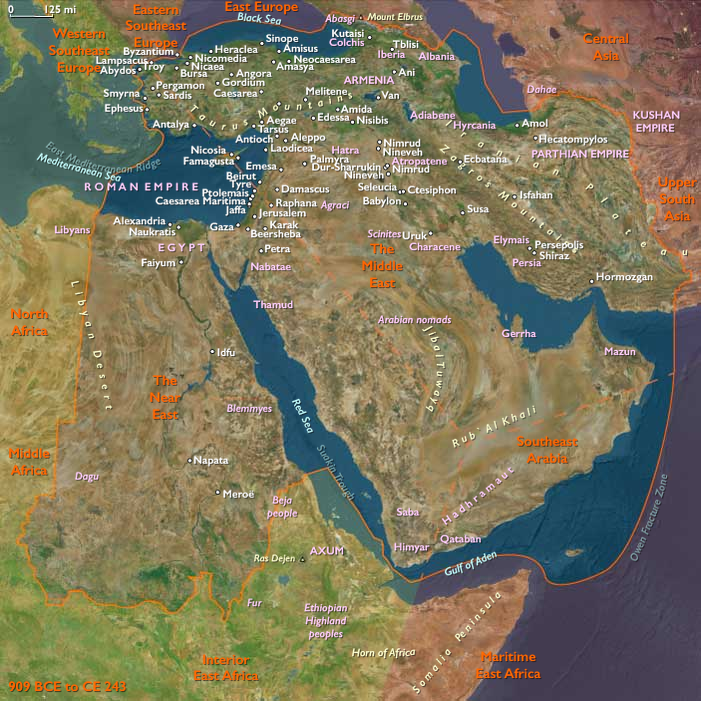
Subregions
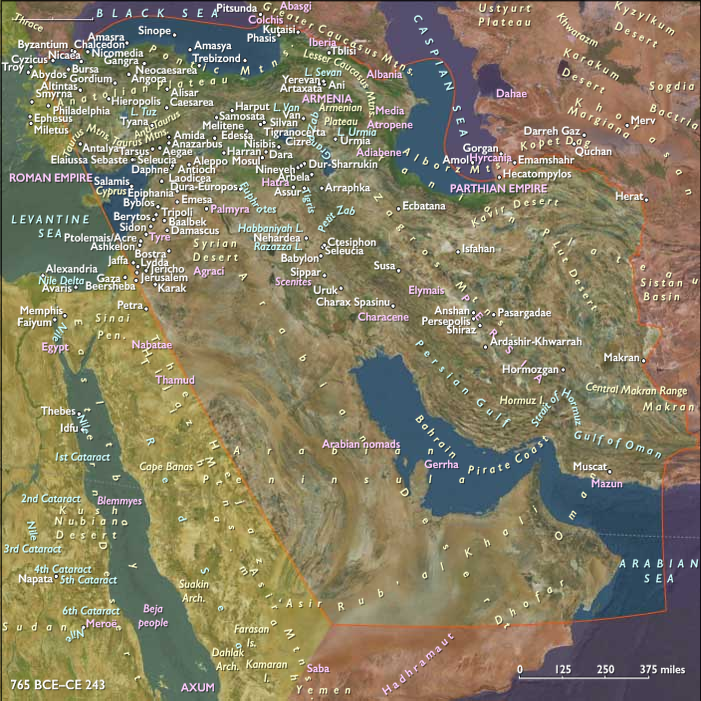
Related Events
Showing 10 events out of 66579 total
Years: 849BCE - 838BCE
People
Groups
- Iranian peoples
- Phoenicians
- Medes
- Aram-Damascus (Syria), Kingdom of
- Israel (Northern Kingdom of)
- Assyria, (New) Kingdom of (Neo-Assyrian Empire)
Topics
Subjects
Regions
Subregions