
The Middle East, 801 to 790 BCE: …
Years: 801BCE - 790BCE
The Middle East, 801 to 790 BCE: The Destruction of Hasanlu and Urartian Expansion
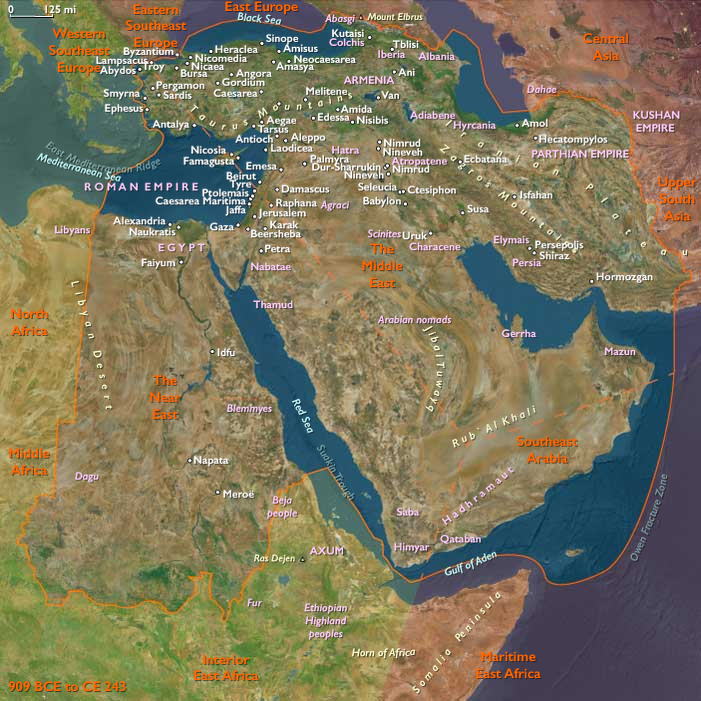
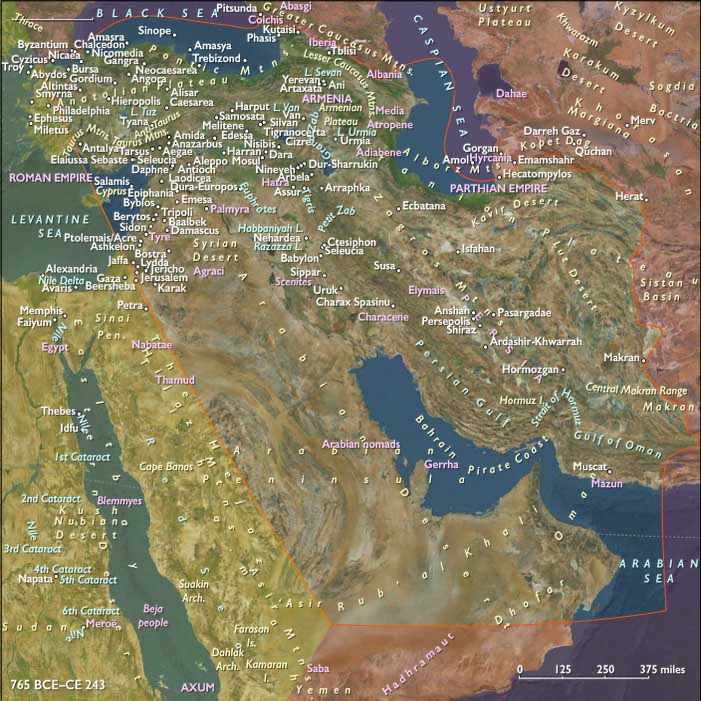
The era 801 to 790 BCE witnesses significant turmoil and cultural shifts in the northern regions of the Middle East, notably marked by the violent destruction of the settlement at Hasanlu, an important Iron Age site in northwestern Iran. Hasanlu's Iron II culture had developed strong ties to Mesopotamia and northern Syria, reflecting robust trade networks and potential political influence from these major regional powers.
Around 800 BCE, Hasanlu is subjected to a devastating raid, most likely by forces from the rising kingdom of Urartu, located around Lake Van. This attack leaves the fortified settlement ravaged and abandoned. Archaeological findings provide stark evidence of the violence: over one hundred and fifty human victims, many displaying signs of mutilation and execution, have been uncovered amidst the ruins. Among these remains, twenty-one skeletons, possibly trapped looters, lie amidst the debris of a burned citadel, illustrating the chaotic and desperate final moments of the city's inhabitants.
A significant discovery from Hasanlu’s destruction is an elaborate gold bowl, which one of the victims was found clutching. The bowl, decorated with intricate mythical scenes in relief, indicates Hasanlu’s artisans' sophisticated craftsmanship and exposure to imported styles, notably from areas around the Caspian Sea. This artifact symbolizes the extensive cultural and trade connections Hasanlu enjoyed before its tragic end.
Following its destruction, Hasanlu’s High Mound becomes the site of an Urartian fortress, marking Urartu's expanding influence. A robust fortification wall, supplemented by evenly spaced defensive towers, is constructed around the site, signaling a strategic shift in regional power dynamics. Urartu, rising as a significant regional force, begins to assert itself more boldly against the traditional powers of Mesopotamia.
Thus, the era from 801 to 790 BCE is characterized by significant regional conflict and shifting political control, exemplified by the violent demise of Hasanlu and the ascendance of Urartu as a formidable presence in the geopolitics of the Middle East.
People
Groups
Topics
Commodoties
Subjects
Regions
Subregions
Years: 801BCE - 790BCE
People
Groups
Topics
Commodoties
Subjects
Regions
Subregions