
The Middle East: 820–831 CE Abbasid …
Years: 820 - 831
The Middle East: 820–831 CE
Abbasid Authority, Religious Debates, and Cultural Advancements
This era witnesses significant events under the Abbasid Caliphate, notably during the reign of Caliph al-Ma'mun (813–833). Al-Ma'mun, renowned for his intellectual curiosity and patronage of learning, intensifies the cultural and scientific flourishing in Baghdad, significantly advancing the Translation Movement, whereby Greek, Persian, and Indian texts are systematically translated into Arabic, profoundly enriching Islamic thought.
In 827, al-Ma'mun officially endorses the theological doctrine of Mu'tazilism, emphasizing rationalism and the created nature of the Qur'an. This stance triggers profound theological debate and dissent within the Islamic community, particularly clashing with traditionalists who argue for the Qur'an’s eternal and uncreated nature. The caliph's attempt to enforce Mu'tazilite doctrine, known as the mihna ("inquisition"), leads to severe persecution of scholars who resist, notably the prominent jurist Ahmad ibn Hanbal, founder of the Hanbali school of Sunni jurisprudence.
Politically, the Abbasids consolidate their administrative reach, though regional autonomy increasingly emerges as a challenge. In Khorasan and regions of eastern Persia, local Iranian dynasties begin asserting greater independence, reflecting underlying tensions between the Persian administrative elite and the Arab ruling class.
This period also marks the continuation of Baghdad’s prominence as a global metropolis. Scholars, merchants, and artists gather in its bustling marketplaces and renowned intellectual institutions, contributing to the dynamic synthesis of Persian, Greek, Arab, and Indian influences that define the Abbasid Golden Age.
In summary, the era 820–831 CE underscores both the Abbasids’ cultural and intellectual vibrancy and the rising internal tensions that hint at future fragmentation. The theological debates initiated under al-Ma'mun will have lasting implications for Islamic doctrine and jurisprudence, shaping the religious landscape of the Islamic world for centuries.
People
Groups
Topics
Commodoties
Subjects
- Commerce
- Faith
- Government
- Scholarship
- Custom and Law
- Medicine
- Mathematics
- Astronomy
- Philosophy and logic
Regions
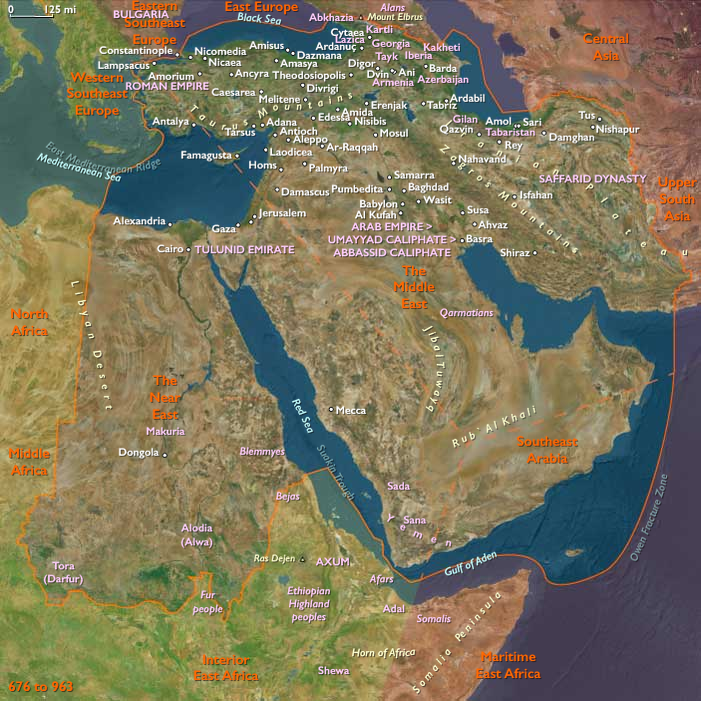
Subregions
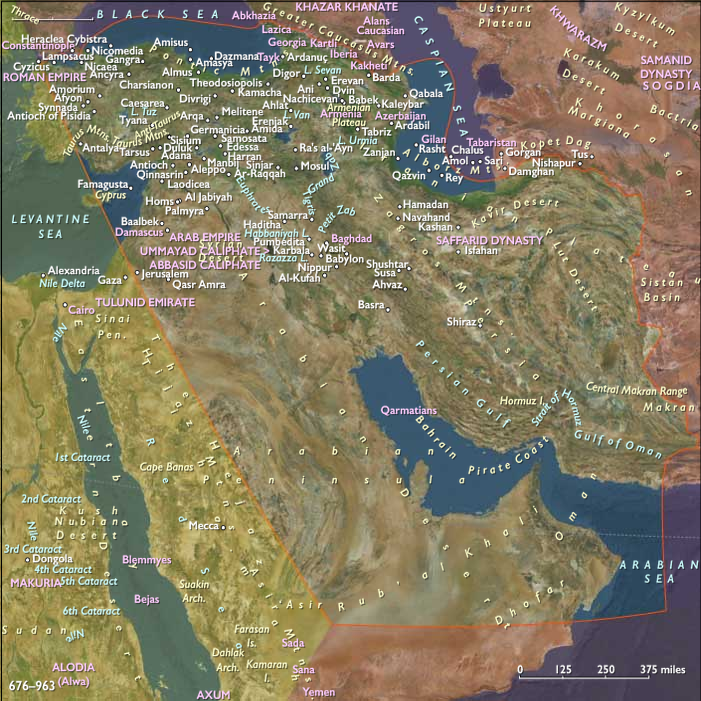
Related Events
Showing 10 events out of 54673 total
Years: 820 - 831
People
Groups
Topics
Commodoties
Subjects
- Commerce
- Faith
- Government
- Scholarship
- Custom and Law
- Medicine
- Mathematics
- Astronomy
- Philosophy and logic
Regions
Subregions