
The Middle East, 789 to 778 BCE: …
Years: 789BCE - 778BCE
The Middle East, 789 to 778 BCE: Assyrian Expansion into Armenia
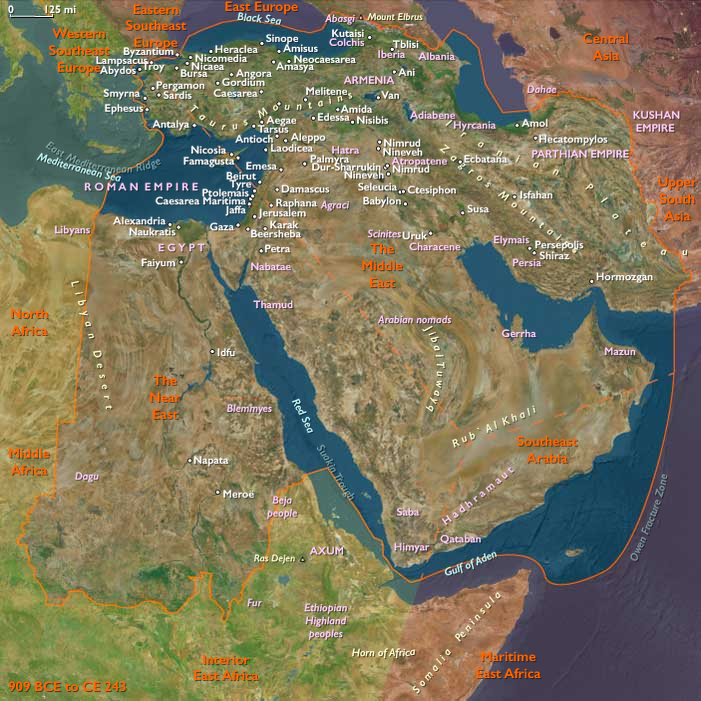
During the brief era of 789 to 778 BCE, the Assyrian Empire, under the reign of Shalmaneser IV, continues its assertive territorial expansion, notably extending into regions of what is today modern Armenia. Shalmaneser IV, succeeding the military-focused policies of his predecessors, consolidates Assyrian power in strategically significant northern territories, thus solidifying Assyrian control over critical borderlands.
The incorporation of Armenian territories represents both a strategic and economic achievement for Assyria. These newly conquered areas offer valuable resources, including metal deposits and fertile land, crucial for maintaining Assyria's expansive military and construction activities. Shalmaneser IV's success in Armenia further underscores Assyria's dominance over neighboring kingdoms and reinforces its reputation as a formidable military power capable of projecting influence far beyond its core region.
Despite the brevity of this era, the territorial acquisitions in Armenia under Shalmaneser IV have lasting implications for regional dynamics. The strengthening of Assyrian presence in the north effectively counters the rising influence of Urartu, Assyria's principal rival in the region, setting the stage for ongoing geopolitical tensions in subsequent decades.
Thus, the era from 789 to 778 BCE highlights Assyria’s continued territorial ambitions and strategic military successes, significantly shaping the evolving political landscape of the Middle East.
People
Groups
Topics
Commodoties
Subjects
Regions
Subregions
Years: 789BCE - 778BCE
People
Groups
Topics
Commodoties
Subjects
Regions
Subregions