
The Middle East: 724–735 CE Umayyad …
Years: 724 - 735
The Middle East: 724–735 CE
Umayyad Consolidation, Administrative Reforms, and Cultural Flourishing
Stability under Hisham ibn Abd al-Malik
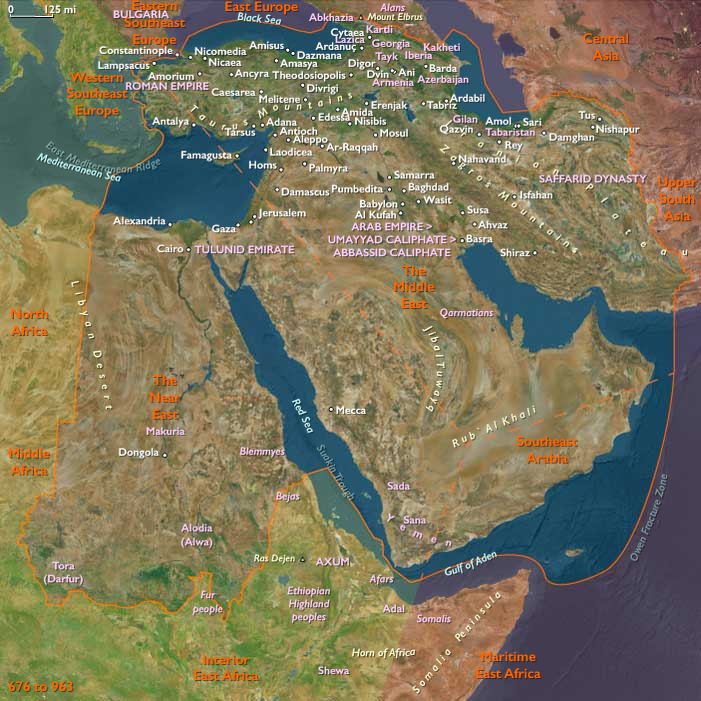
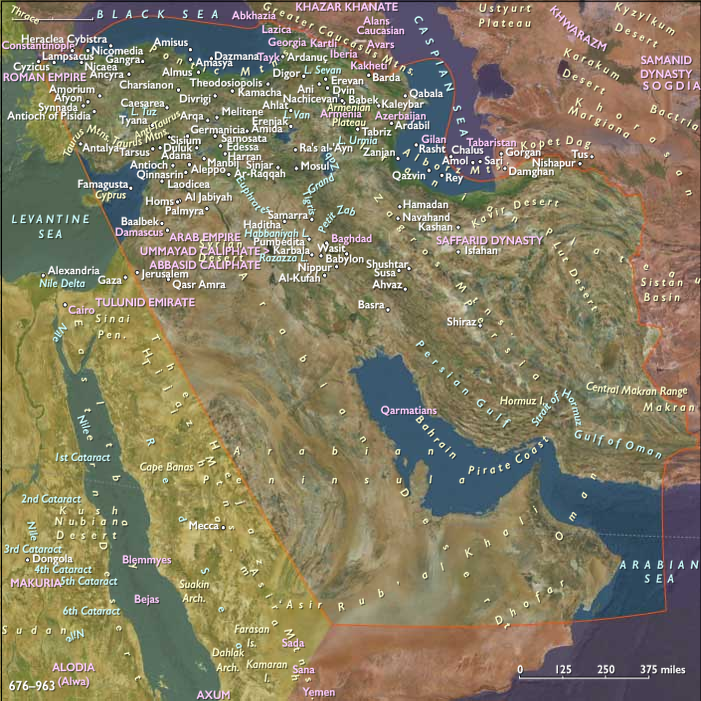
The period from 724 to 735 coincides primarily with the reign of Caliph Hisham ibn Abd al-Malik (724–743), a notable figure who provides stability and efficient governance to the expansive Umayyad Empire. Hisham undertakes critical administrative reforms to better manage the vast territories stretching from the Iberian Peninsula to the edges of Central Asia.
Administrative and Economic Developments
Hisham introduces fiscal and agricultural reforms aimed at improving state revenues, which significantly enhance economic productivity across the Middle East. He expands irrigation networks, particularly in Iraq and Syria, boosting agriculture and securing food supplies. His government meticulously regulates taxation and administration, fostering economic prosperity and social stability.
Cultural and Intellectual Activity
During Hisham’s reign, the cultural life of the Islamic world continues to flourish. The caliph supports scholarly activities, notably encouraging the preservation and translation of classical texts, thus laying the foundations for the later Islamic Golden Age. Major urban centers such as Damascus, Basra, and Kufa witness significant intellectual debates, especially on theological and legal matters.
Military Challenges and Frontier Defense
Despite internal stability, the empire faces ongoing military challenges. Arab–Byzantine frontier clashes intensify, particularly in Anatolia, where frontier fortifications are expanded and strengthened. Meanwhile, Hisham’s generals, notably Maslama ibn Abd al-Malik, maintain military pressure on Byzantine defenses, although no significant territorial shifts occur during this time.
In summary, the era of 724–735 CE under Hisham ibn Abd al-Malik is characterized by effective governance, cultural advancement, and economic prosperity, setting a robust foundation for subsequent generations in the Islamic Middle East.
People
Groups
Topics
Subjects
Regions
Subregions
Years: 724 - 735
People
Groups
Topics
Subjects
Regions
Subregions