
The Middle East: 712–723 CE Expansion, …
Years: 712 - 723
The Middle East: 712–723 CE
Expansion, Governance, and Cultural Consolidation under the Umayyads
Umayyad Expansion into Central Asia and South Asia
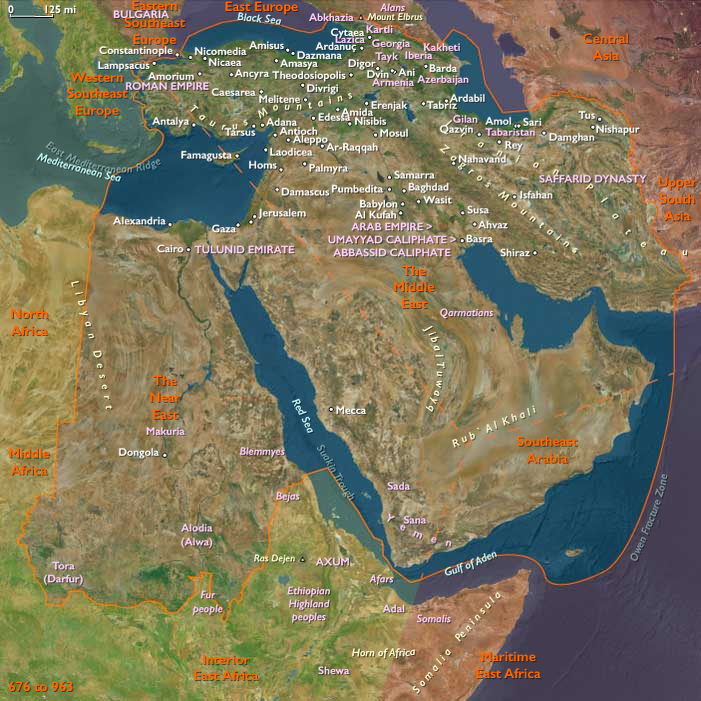
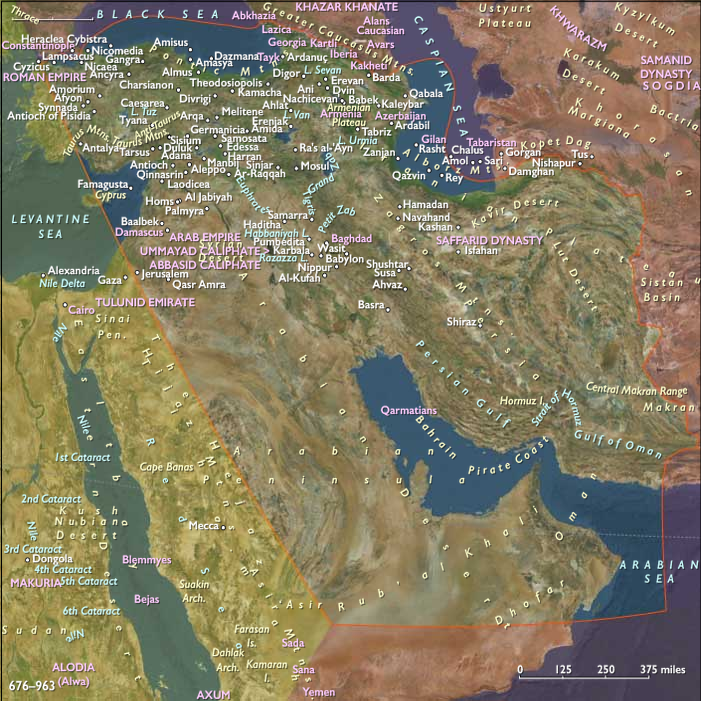
The early eighth century is marked by vigorous expansion of the Umayyad Caliphate. Under Caliph Al-Walid I and his successors, Arab armies push far beyond traditional frontiers, extending Islamic influence deeper into Central Asia, reaching regions like Transoxiana and the fringes of the Indian Subcontinent. In 712, the young general Muhammad ibn Qasim captures Sindh (in present-day Pakistan), significantly extending Muslim authority into South Asia for the first time.
Administration and Infrastructure
Under Caliph Sulayman ibn Abd al-Malik (715–717) and his successor Umar ibn Abd al-Aziz (717–720), the Umayyads emphasize consolidating their vast territories through administrative reform. Known for his justice and piety, Umar II implements fiscal fairness, reducing taxes on non-Arab Muslims and promoting conversions to Islam through equitable governance. His brief rule is remembered for stabilizing the empire and reinforcing Islamic institutions.
Cultural and Religious Developments
During this period, the Umayyad court continues to patronize literature, architecture, and religious scholarship, laying foundations for a flourishing Islamic culture. In Damascus, monumental architecture such as the Great Umayyad Mosque, completed in 715, symbolizes the dynasty's authority and religious devotion, becoming a cornerstone of Islamic cultural identity.
At the same time, scholars and theologians at major centers like Basra and Kufa engage in intense theological debates, laying critical groundwork for Sunni Islamic jurisprudence. This period thus witnesses both significant territorial expansion and the deepening of Islam's cultural and religious roots across the Middle East and beyond.
People
Groups
Topics
Subjects
Regions
Subregions
Years: 712 - 723
People
Groups
Topics
Subjects
Regions
Subregions