
The Middle East: 669–658 BCE Ashurbanipal's …
Years: 669BCE - 658BCE
The Middle East: 669–658 BCE
Ashurbanipal's Reign and the Dual Monarchy
In 669 BCE, following the sudden death of Esarhaddon during his Egyptian campaign, his son Ashurbanipal ascends to the Assyrian throne. Despite initial court resistance, Ashurbanipal swiftly consolidates power, aided notably by his influential grandmother, Zakutu (Naqi'a). The transition proceeds smoothly, with Ashurbanipal installing his brother, Shamash-shum-ukin, as king of Babylon, establishing a carefully planned dual monarchy. Ashurbanipal, though initially not expected to rule, is uniquely prepared—his education including literacy, mathematics, divination, and military training—making him perhaps the most scholarly of Assyrian kings.
Babylon under Shamash-shum-ukin
Shamash-shum-ukin's rule in Babylon initially demonstrates Assyrian goodwill. Ashurbanipal even sends a statue of the Babylonian deity Marduk with his brother to symbolize respect. Yet, tensions simmer beneath the surface as Shamash-shum-ukin harbors ambitions of becoming the preeminent Mesopotamian ruler, seeing himself as heir to the region's ancient imperial legacy. Although he oversees Babylonian rituals, his practical authority remains limited, with Assyrian garrisons in strategic cities and provincial governors seeking favor directly from Ashurbanipal.
Diplomatic and Military Affairs
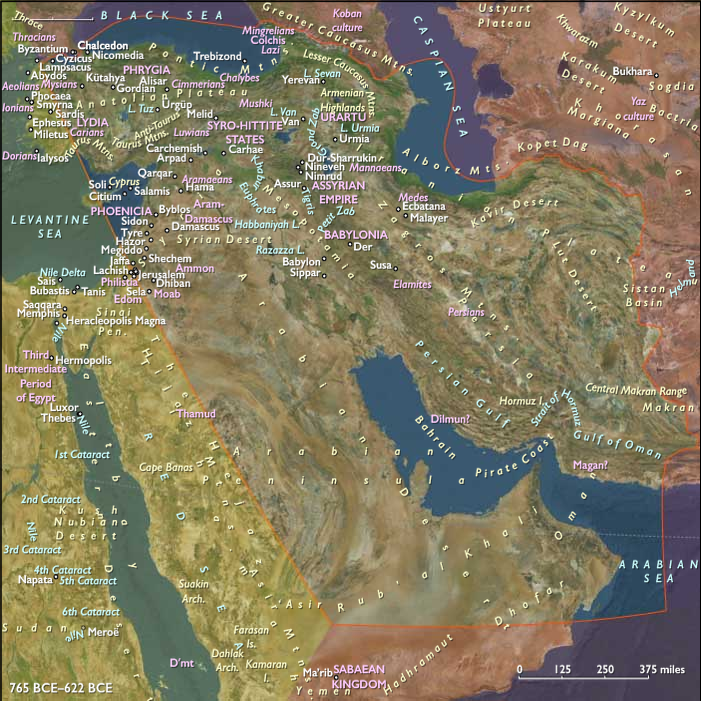
Ashurbanipal initially maintains stable relations with neighboring Elam, even providing famine relief. However, in 664 BCE, Elamite king Urtaku abruptly attacks Babylonia. Ashurbanipal's delayed response briefly endangers Babylon, though the Elamites ultimately withdraw. Urtaku's death shortly thereafter sparks internal Elamite strife, driving princes such as Humban-nikash to seek refuge in Assyria.
In Anatolia, Assyrian diplomacy successfully aligns with Lydia under king Gyges, who, following prophetic dreams of the god Ashur, pledges allegiance to Ashurbanipal. This alliance helps Gyges defeat the Cimmerians around 660 BCE, extending Assyrian influence westward to the Aegean.
Assyrian Military Innovations
The Assyrian army evolves significantly during this era, particularly in cavalry tactics. Depictions from Ashurbanipal's reign show advanced heavy horse archery units, marking a tactical shift from earlier reliance on chariots. These armored cavalrymen, forming disciplined ranks, combine rapid archery volleys with decisive spear charges, greatly enhancing Assyrian military effectiveness.
Cultural Flourishing in Cyprus
Cyprus, now fully independent from Assyrian oversight since about 663 BCE, experiences notable cultural and artistic growth. Epic poetry flourishes, exemplified by Stasinus of Cyprus, attributed author of the lost epic Cypria, detailing events preceding Homer's Iliad. Bronze craftsmanship, intricate ironwork, ivory carvings, and delicate jewelry reflect the island's vibrant artistic scene.
Esarhaddon's Legacy and Succession
Esarhaddon had carefully prepared his succession plan, securing allegiance from Median and Assyrian nobility to support his sons. Ashurbanipal's coronation and Shamash-shum-ukin's simultaneous enthronement in Babylon realize Esarhaddon's vision of a harmonious dual monarchy. Nevertheless, underlying tensions hint at future strife, as Babylonian nationalism grows under Shamash-shum-ukin’s nominal rule.
Thus, from 669 to 658 BCE, Ashurbanipal's reign marks a period of continued Assyrian dominance characterized by strategic diplomacy, military innovation, and notable cultural and literary advancements, even as tensions simmer beneath the veneer of stability.
People
Groups
- Lydia, Kingdom of
- Babylon, Kingdom of
- Elam, (New) Kingdom of
- Cimmerians
- Assyria, (New) Kingdom of (Neo-Assyrian Empire)
- Cyprus, Classical
- Urartu, Kingdom of
Topics
Commodoties
Subjects
Regions
Subregions
Years: 669BCE - 658BCE
People
Groups
- Lydia, Kingdom of
- Babylon, Kingdom of
- Elam, (New) Kingdom of
- Cimmerians
- Assyria, (New) Kingdom of (Neo-Assyrian Empire)
- Cyprus, Classical
- Urartu, Kingdom of
Topics
Commodoties
Subjects
Regions
Subregions