
Middle East (909 BCE – 819 …
Years: 909BCE - 819
Middle East (909 BCE – 819 CE) Early Iron and Antiquity — Urartu, Achaemenids, Parthians, Sasanian Frontiers
Geographic and Environmental Context
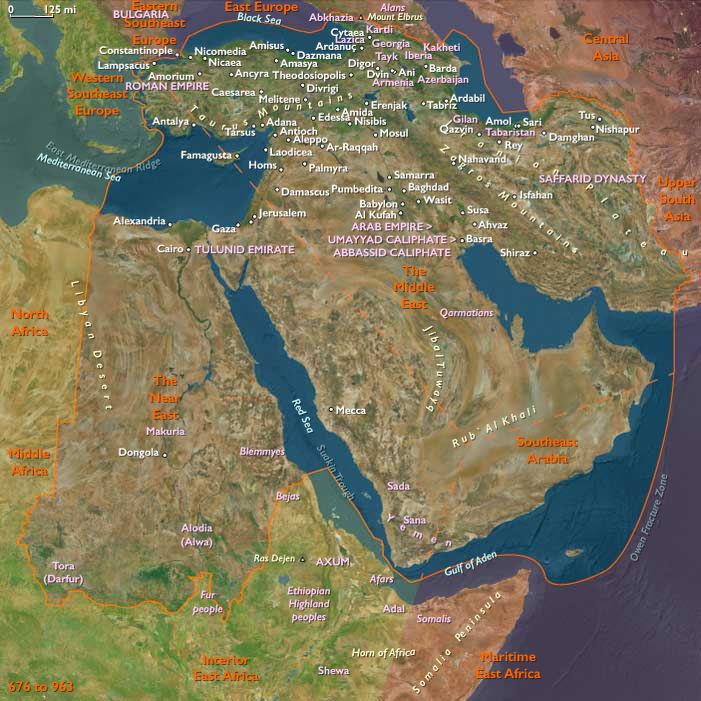
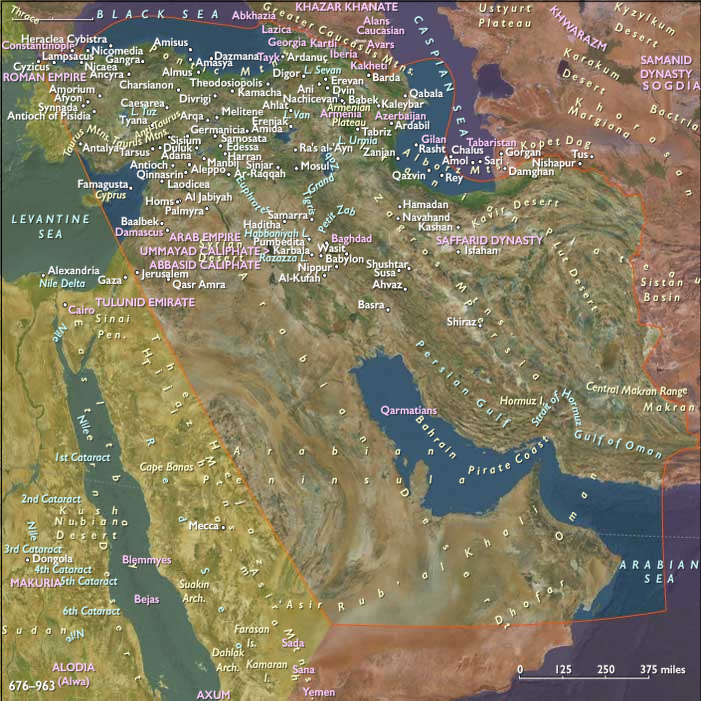
The Middle East includes Iraq, Iran, Syria, Armenia, Georgia, Azerbaijan, eastern Jordan, most of Turkey’s central/eastern uplands (including Cilicia), eastern Saudi Arabia, northern Oman, Qatar, Bahrain, the UAE, northeastern Cyprus, and all but the southernmost Lebanon.-
Anchors: the Tigris–Euphrates alluvium and marshes; the Zagros (Luristan, Fars), Alborz, Caucasus (Armenia–Georgia–Azerbaijan); northern Syrian plains and Cilicia; Khuzestan and Fars lowlands; the Arabian/Persian Gulf littoral (al-Ahsa–Qatar–Bahrain–UAE–northern Oman); northeastern Cyprus and the Lebanon coastal elbow (north).
Climate & Environment
-
Continental variability; oases survived by canal upkeep; Gulf fisheries stable; Caucasus snows fed headwaters.
Societies & Political Developments
-
Urartu (9th–6th c. BCE) fortified Armenian highlands;
-
Achaemenid Persia (6th–4th c. BCE) organized satrapies across Iran, Armenia, Syria uplands, Cilicia; Royal Road linked Susa–Sardis through our zone.
-
Hellenistic Seleucids, then Parthians (3rd c. BCE–3rd c. CE) and Sasanians (3rd–7th c. CE) ruled Iran–Mesopotamia; oases prospered under qanat/karez and canal regimes.
-
Transcaucasus (Armenia, Iberia/Georgia, Albania/Azerbaijan) oscillated between Iranian and Roman/Byzantine influence; northeastern Cyprus joined Hellenistic–Roman networks.
-
Arabian Gulf littoral hosted pearling/fishing and entrepôts (al-Ahsa–Qatif–Bahrain).
Economy & Trade
-
Irrigated cereals, dates, cotton, wine; transhumant pastoralism; Gulf pearls and dates.
-
Long-haul Silk Road and Royal Road flows; qanat irrigation expanded in Iran.
Technology & Material Culture
-
Iron plowshares, tools, and weapons; fortifications; qanat engineering; road stations (caravanserais earlier variants).
-
Arts: Urartian bronzes; Achaemenid stonework; Sasanian silver; Armenian and Georgian ecclesiastical arts (late).
Belief & Symbolism
-
Zoroastrianism, Armenian/Georgian Christianity, local cults; Jewish and early Christian communities in oases/ports; syncretism in frontier cities.
Adaptation & Resilience
-
Canal/qanat redundancy, pasture–oasis integration, distributed entrepôts (northeastern Cyprus, Gulf) hedged war and drought.
Transition
By 819 CE, the Middle East was a layered highland–oasis–Gulf system under Sasanian–Byzantine frontiers giving way to Islamic polities.
People
- Al-Mansur
- Alexander the Great
- Ardashir I
- Cyrus II ”the Great”
- Darius I
- Harun al-Rashid
- Nebuchadnezzar II
- Shapur I
- Xerxes I
- Zenobia
- al-Ma'mun
Groups
- Dilmun (Bahrain?)
- Magan (civilization)
- Iranian peoples
- Aramaeans
- Georgians
- Arab people
- Aram-Damascus (Syria), Kingdom of
- Babylon, Kingdom of
- Assyria, (New) Kingdom of (Neo-Assyrian Empire)
- Cyprus, Classical
- Urartu, Kingdom of
- Urartu, Kingdom of
- Assyria, (New) Kingdom of (Neo-Assyrian Empire)
- Macedon, Argead Kingdom of
- Zoroastrians
- Neo-Babylonian, or Chaldean, Empire
- Achaemenid Empire
- Armenia, Satrapy of
- Babylonia, Classical
- Phoenicia, Achaemenid
- Achaemenid, or First Persian, Empire
- Jews
- Bedouin
- Cyprus, Hellenistic
- Armenia, Macedonian vassal Kingdom of
- Egypt, Alexandrine
- Greeks, Hellenistic
- Phoenicia, Hellenistic
- Seleucus, Kingdom of
- Egypt, Ptolemaic Kingdom of
- Iberia, Caucasian (Kartli, Kingdom of)
- Armenia, Macedonian vassal Kingdom of
- Seleucid Kingdom
- Parthian Empire
- Seleucid Empire
- Armenia, Kingdom of Greater
- Cyprus, Roman
- Commagene, Kingdom of
- Osroene, Kingdom of
- Armenia, Empire of
- Armenia, Kingdom of Greater
- Cilicia et Cyprus (Roman province)
- Roman Empire (Rome): Julio-Claudian dynasty
- Adiabene, Kingdom of
- Christians, Jewish
- Christians, Early
- Roman Empire (Rome): Flavian dynasty
- Roman Empire (Rome): Nerva-Antonine dynasty
- Roman Empire (Rome): Severan dynasty
- Phoenice (Roman province)
- Armenia, Kingdom of
- Persian Empire, Sassanid, or Sasanid
- Manicheanism
- Palmyrene Empire
- Roman Empire: Tetrarchy
- Christians, Meletian
- Christians, Armenian Apostolic Orthodox
- Roman Empire: Constantinian dynasty (Nicomedia)
- Christianity, Nicene
- Roman Empire: Constantinian dynasty (Constantinople)
- Christian community of Najran
- Roman Empire: Theodosian dynasty (Constantinople)
- Armenia, (East Roman [Byzantine] vassal) Principality of
- Phoenice (Roman province)
- Phoenice Lebanensis (Roman province)
- Christians, Eastern (Diophysite, or “Nestorian”) (Church of the East)
- Christians, Maronite
- Armenia, or Persarmenia, (Persian vassal) Marzabanate of
- Christians, Miaphysite (Oriental Orthodox)
- Christians, Monophysite
- Christianity, Chalcedonian
- Roman Empire, Eastern: Leonid dynasty
- Roman Empire, Eastern: Justinian dynasty
- Armenia, (Roman vassal) Principality of
- Iberia, Principate of
- Roman Empire, Eastern: Non-dynastic
- Roman Empire, Eastern: Heraclian dynasty
- Islam
- Rashidun Caliphate
- Christians, Monotheletist
- Muslims, Sunni
- Armenia, Ostikanate of
- Muslims, Kharijite
- Umayyad Caliphate (Damascus)
- Muslims, Shi'a
- Cyprus, Roman-Umayyad condominium of
- Muslims, Ibadi
- Umayyad Caliphate (Harran)
- Cyprus, Roman-Abbasid condominium of
- Abbasid Caliphate (Kufa)
- Abbasid Caliphate (Baghdad)
- Tao-Klarjeti (Georgian [Kartvelian] kingdoms and principalities)
- Azerbaijani people (Azeris)
Topics
Commodoties
- Fish and game
- Water
- Hides and feathers
- Gem materials
- Domestic animals
- Grains and produce
- Textiles
- Fibers
- Strategic metals
- Lumber
- Spices
Subjects
- Commerce
- Language
- Architecture
- Engineering
- Environment
- Conflict
- Faith
- Government
- Custom and Law
- Medicine
- Mathematics
- Astronomy
- Theology
- Philosophy and logic
Regions
Subregions
Related Events
Showing 10 events out of 66848 total
Years: 909BCE - 819
People
- Al-Mansur
- Alexander the Great
- Ardashir I
- Cyrus II ”the Great”
- Darius I
- Harun al-Rashid
- Nebuchadnezzar II
- Shapur I
- Xerxes I
- Zenobia
- al-Ma'mun
Groups
- Dilmun (Bahrain?)
- Magan (civilization)
- Iranian peoples
- Aramaeans
- Georgians
- Arab people
- Aram-Damascus (Syria), Kingdom of
- Babylon, Kingdom of
- Assyria, (New) Kingdom of (Neo-Assyrian Empire)
- Cyprus, Classical
- Urartu, Kingdom of
- Urartu, Kingdom of
- Assyria, (New) Kingdom of (Neo-Assyrian Empire)
- Macedon, Argead Kingdom of
- Zoroastrians
- Neo-Babylonian, or Chaldean, Empire
- Achaemenid Empire
- Armenia, Satrapy of
- Babylonia, Classical
- Phoenicia, Achaemenid
- Achaemenid, or First Persian, Empire
- Jews
- Bedouin
- Cyprus, Hellenistic
- Armenia, Macedonian vassal Kingdom of
- Egypt, Alexandrine
- Greeks, Hellenistic
- Phoenicia, Hellenistic
- Seleucus, Kingdom of
- Egypt, Ptolemaic Kingdom of
- Iberia, Caucasian (Kartli, Kingdom of)
- Armenia, Macedonian vassal Kingdom of
- Seleucid Kingdom
- Parthian Empire
- Seleucid Empire
- Armenia, Kingdom of Greater
- Cyprus, Roman
- Commagene, Kingdom of
- Osroene, Kingdom of
- Armenia, Empire of
- Armenia, Kingdom of Greater
- Cilicia et Cyprus (Roman province)
- Roman Empire (Rome): Julio-Claudian dynasty
- Adiabene, Kingdom of
- Christians, Jewish
- Christians, Early
- Roman Empire (Rome): Flavian dynasty
- Roman Empire (Rome): Nerva-Antonine dynasty
- Roman Empire (Rome): Severan dynasty
- Phoenice (Roman province)
- Armenia, Kingdom of
- Persian Empire, Sassanid, or Sasanid
- Manicheanism
- Palmyrene Empire
- Roman Empire: Tetrarchy
- Christians, Meletian
- Christians, Armenian Apostolic Orthodox
- Roman Empire: Constantinian dynasty (Nicomedia)
- Christianity, Nicene
- Roman Empire: Constantinian dynasty (Constantinople)
- Christian community of Najran
- Roman Empire: Theodosian dynasty (Constantinople)
- Armenia, (East Roman [Byzantine] vassal) Principality of
- Phoenice (Roman province)
- Phoenice Lebanensis (Roman province)
- Christians, Eastern (Diophysite, or “Nestorian”) (Church of the East)
- Christians, Maronite
- Armenia, or Persarmenia, (Persian vassal) Marzabanate of
- Christians, Miaphysite (Oriental Orthodox)
- Christians, Monophysite
- Christianity, Chalcedonian
- Roman Empire, Eastern: Leonid dynasty
- Roman Empire, Eastern: Justinian dynasty
- Armenia, (Roman vassal) Principality of
- Iberia, Principate of
- Roman Empire, Eastern: Non-dynastic
- Roman Empire, Eastern: Heraclian dynasty
- Islam
- Rashidun Caliphate
- Christians, Monotheletist
- Muslims, Sunni
- Armenia, Ostikanate of
- Muslims, Kharijite
- Umayyad Caliphate (Damascus)
- Muslims, Shi'a
- Cyprus, Roman-Umayyad condominium of
- Muslims, Ibadi
- Umayyad Caliphate (Harran)
- Cyprus, Roman-Abbasid condominium of
- Abbasid Caliphate (Kufa)
- Abbasid Caliphate (Baghdad)
- Tao-Klarjeti (Georgian [Kartvelian] kingdoms and principalities)
- Azerbaijani people (Azeris)
Topics
Commodoties
- Fish and game
- Water
- Hides and feathers
- Gem materials
- Domestic animals
- Grains and produce
- Textiles
- Fibers
- Strategic metals
- Lumber
- Spices
Subjects
- Commerce
- Language
- Architecture
- Engineering
- Environment
- Conflict
- Faith
- Government
- Custom and Law
- Medicine
- Mathematics
- Astronomy
- Theology
- Philosophy and logic
Regions
Subregions