
The Middle East (6525–6382 BCE): Trade and …
Years: 6525BCE - 6382BCE
The Middle East (6525–6382 BCE): Trade and Domestication Developments
Lead Beads and Trade at Çatalhöyük
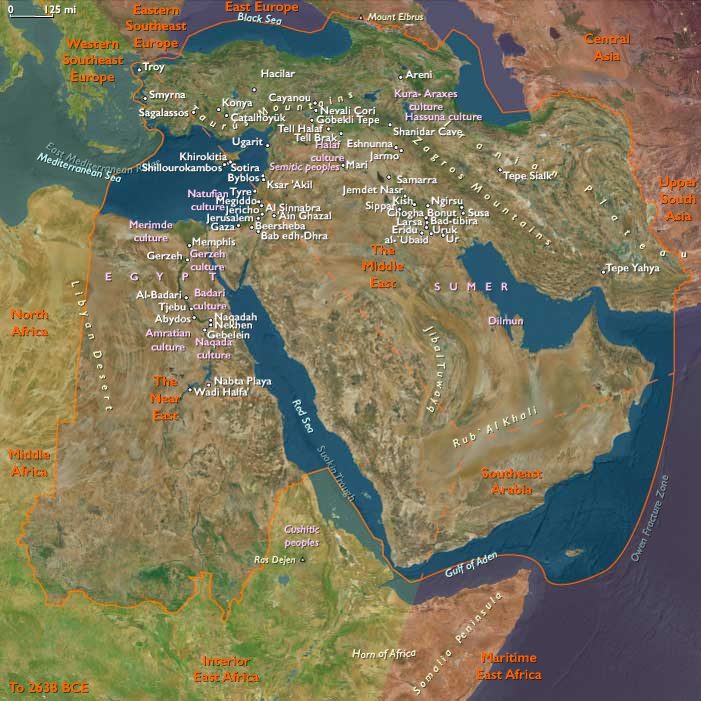
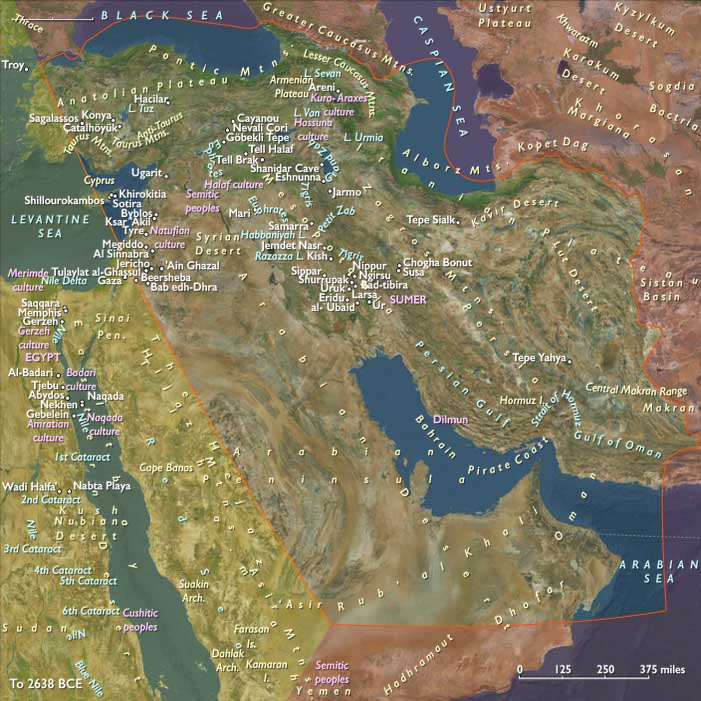
During 6525 to 6382 BCE, communities in Anatolia, specifically at Çatalhöyük, made notable advancements in trade and craftsmanship. Archaeological findings include lead beads from this period, dated to around 6500 BCE, highlighting early experimentation with metalworking. Additionally, the roughly five thousand inhabitants of Çatalhöyük actively participated in the obsidian trade, illustrating significant regional economic interactions and the settlement's prominent role in early trade networks.
Domestication of Hogs in Jarmo
In Jarmo, a prominent settlement in northern Iraq, evidence from around 6500 BCE indicates the domestication of hogs. This development represents a significant step in animal husbandry, complementing the existing management of sheep, goats, and cattle. The inclusion of domestic hogs further diversified agricultural and dietary resources, reinforcing the community’s stability and self-sufficiency.
Continued Cultural and Economic Expansion
The period witnessed continued expansion in cultural, economic, and social complexities. The presence of trade networks facilitated the spread of materials and ideas, supporting the emergence of more interconnected and culturally vibrant communities.
This era underscores significant developments in early trade practices, metalworking experimentation, and diversification in animal domestication, marking essential steps towards increasingly complex Neolithic societies in the Middle East.
Topics
Commodoties
Subjects
- Architecture
- Painting and Drawing
- Environment
- Decorative arts
- Faith
- Government
- Custom and Law
- Technology
- Metallurgy
Regions
Subregions
Related Events
Showing 1 events out of 1 total
Years: 6525BCE - 6382BCE
Topics
Commodoties
Subjects
- Architecture
- Painting and Drawing
- Environment
- Decorative arts
- Faith
- Government
- Custom and Law
- Technology
- Metallurgy
Regions
Subregions