
The Middle East (6381–6238 BCE): Technological and …
Years: 6381BCE - 6238BCE
The Middle East (6381–6238 BCE): Technological and Agricultural Innovations
Advances in Agricultural Practices
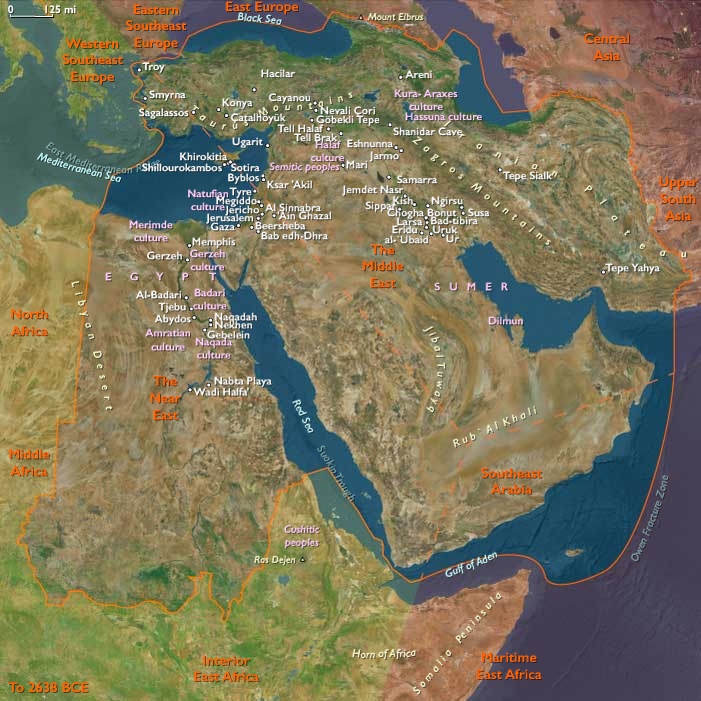
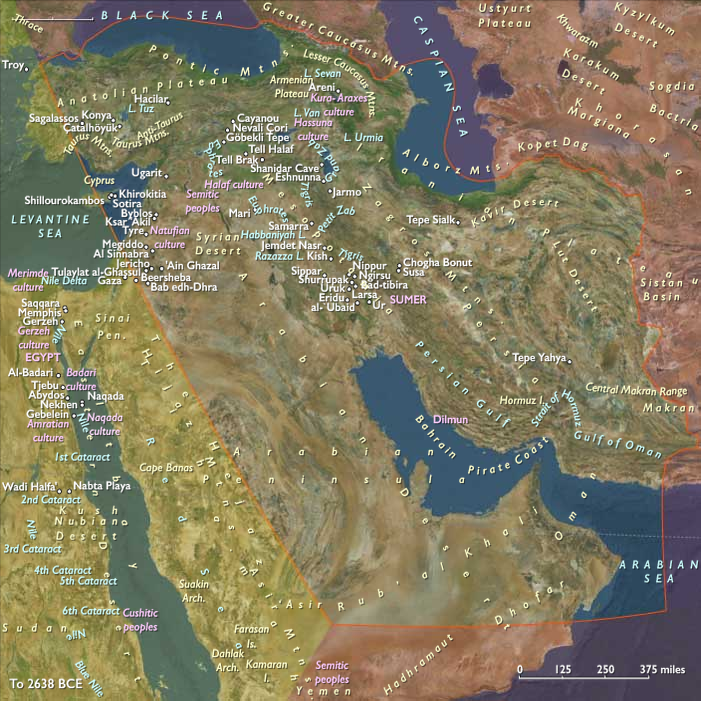
From 6381 to 6238 BCE, agricultural communities across the Middle East continued refining farming techniques and animal husbandry, significantly boosting food production and resource stability. Settlements like Çatalhöyük and Jarmo expanded their cultivation methods, incorporating enhanced irrigation and crop rotation practices, resulting in higher yields and greater settlement sustainability.
Progress in Craftsmanship and Tools
Technological innovations in toolmaking became more widespread during this period. Flint and obsidian tools, refined through improved shaping and sharpening methods, supported better efficiency in agricultural and hunting activities. This period also saw the advancement of pottery-making techniques, enhancing both functionality and artistic expression within Neolithic communities.
Expansion of Trade Networks
The era continued to witness significant growth in regional trade networks. The exchange of goods, particularly obsidian and crafted tools, intensified inter-community interactions. These networks facilitated the widespread dissemination of technological advancements and cultural practices, strengthening inter-regional connections and promoting economic and social cohesion.
Social and Cultural Complexity
Social complexity increased with the growth of larger and more permanent settlements, leading to clearly defined community roles, specialized labor, and more organized communal efforts. Cultural life flourished, evident in widespread artistic creations, ceremonial artifacts, and evolving religious practices.
This age highlights a period of dynamic innovation, marked by substantial improvements in agriculture, technological advancement, expanding trade, and increasing social complexity in the ancient Middle East.
Topics
Commodoties
Subjects
- Architecture
- Painting and Drawing
- Environment
- Decorative arts
- Faith
- Government
- Custom and Law
- Technology
- Metallurgy
Regions
Subregions
Years: 6381BCE - 6238BCE
Topics
Commodoties
Subjects
- Architecture
- Painting and Drawing
- Environment
- Decorative arts
- Faith
- Government
- Custom and Law
- Technology
- Metallurgy
Regions
Subregions