
The Middle East: 496–507 CE The …
Years: 496 - 507
The Middle East: 496–507 CE
The Anastasian War and Religious Developments
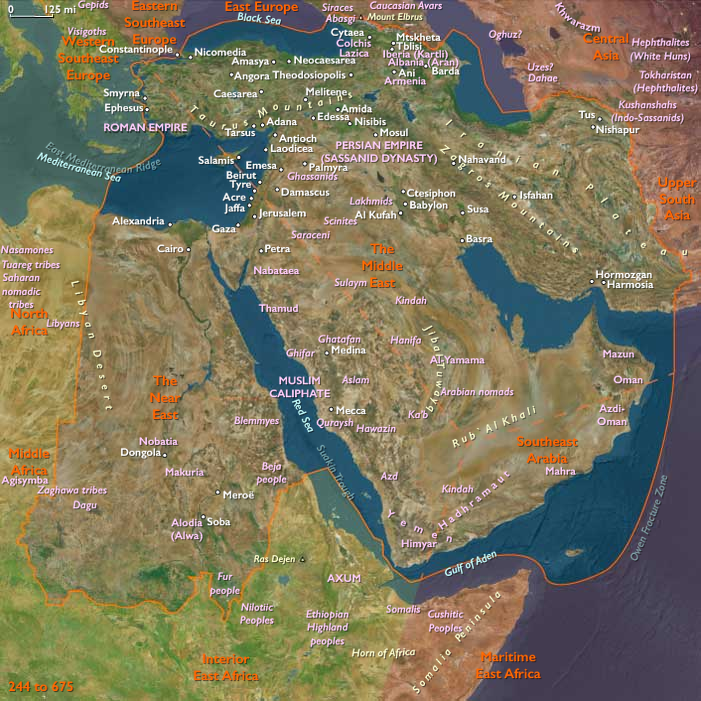
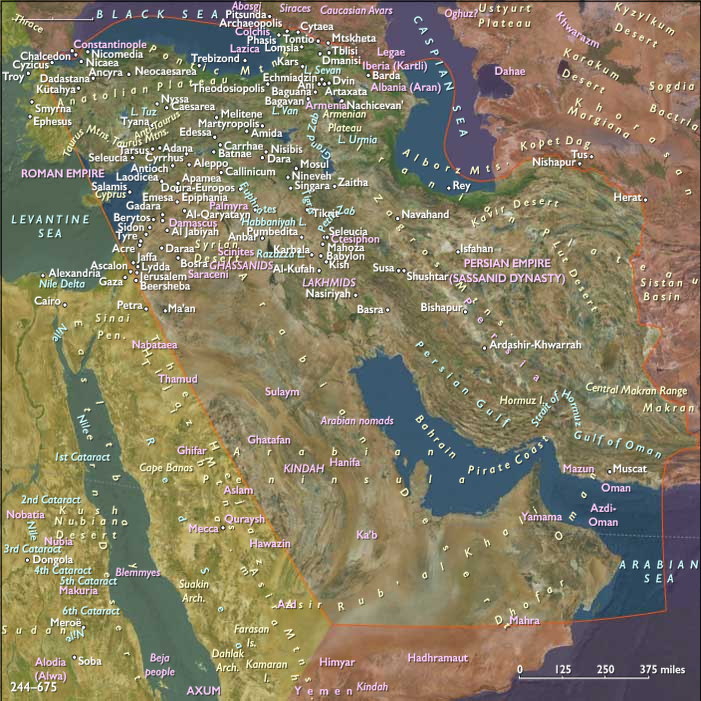
The era from 496 to 507 CE is marked prominently by the Anastasian War (502–506 CE), a major military conflict between the Eastern Roman Empire and the Sassanid Persian Empire. This conflict, the first significant confrontation between these two powers since 440 CE, inaugurates a century-long series of devastating wars that will profoundly affect both empires and shape regional dynamics for decades.
Background and Causes of the Anastasian War
Tensions between Rome and Persia had been simmering for decades, exacerbated by disputes over influence in Armenia and control of strategic territories along their mutual border. Both empires sought to extend their dominance and secure vital trade routes, and these ambitions frequently brought them into direct conflict.
Military Course and Outcome
The Anastasian War begins in earnest in 502 CE when Sassanid forces under King Kavadh I launch an invasion of Roman-held territory, capturing key locations and threatening critical frontier fortresses. Fierce fighting ensues, with the Romans eventually responding effectively under Emperor Anastasius I, who mobilizes substantial resources to repel the Persian incursion.
Despite heavy losses and widespread devastation, particularly around Amida (modern-day Diyarbakır), the conflict ultimately ends in 506 CE with a tenuous peace. The Roman Empire agrees to pay substantial indemnities to the Persians, reflecting the unresolved nature of the strategic rivalry and foreshadowing future confrontations.
Religious and Philosophical Developments
In parallel with these military developments, this era witnesses significant intellectual and religious activity, notably exemplified by the mystical theological writings of an anonymous author known today as Dionysius the Pseudo-Areopagite. Around 500 CE, this influential thinker attempts to integrate Neoplatonism with Christian theology through several works, including The Celestial Hierarchy, The Ecclesiastical Hierarchy, The Divine Names, and Mystical Theology. These writings profoundly shape medieval Christian mysticism and theology, leaving an enduring legacy in the intellectual traditions of both East and West.
Thus, the period from 496 to 507 CE highlights the intertwined military, political, and religious transformations that characterize the Middle East at the onset of the sixth century, reflecting both the persistent conflict between great powers and the rich intellectual and theological developments of the era.
People
Groups
- Persian Empire, Sassanid, or Sasanid
- Neoplatonists
- Christianity, Chalcedonian
- Roman Empire, Eastern: Leonid dynasty
Topics
Subjects
Regions
Subregions
Years: 496 - 507
People
Groups
- Persian Empire, Sassanid, or Sasanid
- Neoplatonists
- Christianity, Chalcedonian
- Roman Empire, Eastern: Leonid dynasty
Topics
Subjects
Regions
Subregions