
The Middle East: 472–483 CE The …
Years: 472 - 483
The Middle East: 472–483 CE
The Completion of the Babylonian Talmud
The period from 472 to 483 CE is notable for significant cultural and religious achievements, particularly within the Jewish communities of Babylonia. Ravina II, who had succeeded Ashi as head of the school of Sura, completes the monumental edition of the Talmud known as the Babylonian Gemara in 475 CE. This vast and intricate compilation, the Talmud Babli, emerges as the definitive commentary and interpretation of Jewish law, second only to the Bible in religious authority and importance for Jewish life.
Structure and Content of the Talmud
The Babylonian Talmud combines the Hebrew text of the Mishnah with extensive Aramaic commentary known as the Gemara. While the Mishnah, finalized around 200 CE, predominantly uses Hebrew, the Gemara of the Babylonian Talmud—like its Palestinian counterpart—employs Aramaic, reflecting the everyday language of Babylonian Jewry. Together, these texts provide comprehensive discussions of civil, criminal, domestic, and ritual law, alongside rich narrative materials known as Haggadah. These Haggadic sections encompass moral guidance, theological reflections, scriptural interpretations, parables, and legendary as well as historical anecdotes.
Religious Dynamics and Persian Tolerance
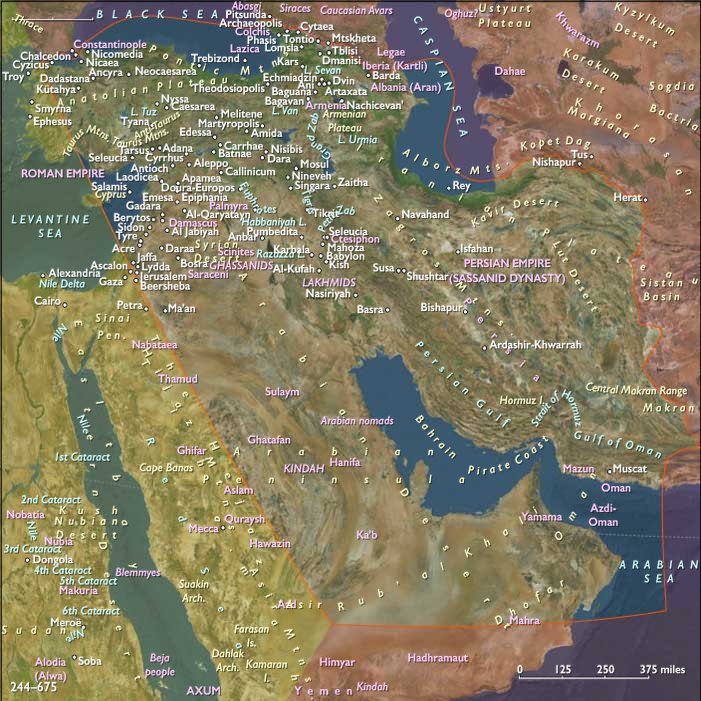
Within the Sassanian Empire, the period also briefly sees a renewal of religious tensions. Although the Sassanians officially uphold Zoroastrianism, the reign of Yazdegird II and his successors exhibits variable degrees of tolerance towards minority faiths, including Christianity and Judaism. Nevertheless, the empire generally maintains a pragmatic stance, enabling Jewish scholars to pursue their religious and intellectual activities, thereby facilitating the significant scholarly accomplishment represented by the completion of the Babylonian Talmud.
Persian Political Context
The completion of the Talmud occurs against a backdrop of relative political stability under Persian rule. The Sassanian administration focuses largely on consolidating control and managing occasional internal dissent rather than expansive military campaigns. This stability, even if punctuated by periodic religious and social pressures, allows intellectual and cultural life in Babylonia to thrive, directly contributing to the scholarly achievements of Jewish communities.
Thus, the years from 472 to 483 CE represent a critical era of cultural consolidation and religious scholarship, marked prominently by the enduring legacy of the Babylonian Talmud and the ongoing complexities of religious coexistence within the Persian Empire.
People
Groups
- Zoroastrians
- Babylonia, Classical
- Jews
- Mesopotamia (Roman province)
- Persian Empire, Sassanid, or Sasanid
- Christians, Armenian Apostolic Orthodox
- Christianity, Nicene
- Armenia, (East Roman [Byzantine] vassal) Principality of
- Armenia, or Persarmenia, (Persian vassal) Marzabanate of
- Roman Empire, Eastern: Leonid dynasty
Subjects
Regions

Subregions
Related Events
Showing 10 events out of 58557 total
Years: 472 - 483
People
Groups
- Zoroastrians
- Babylonia, Classical
- Jews
- Mesopotamia (Roman province)
- Persian Empire, Sassanid, or Sasanid
- Christians, Armenian Apostolic Orthodox
- Christianity, Nicene
- Armenia, (East Roman [Byzantine] vassal) Principality of
- Armenia, or Persarmenia, (Persian vassal) Marzabanate of
- Roman Empire, Eastern: Leonid dynasty
Subjects
Regions
Subregions