
The Middle East: 460–471 CE Peroz …
Years: 460 - 471
The Middle East: 460–471 CE
Peroz I and Sassanian Struggles
The era from 460 to 471 CE witnesses the challenging reign of Peroz I (459–484 CE) in the Sassanian Empire, marked by persistent internal instability and external military pressure. After seizing power from his brother Hormizd III, Peroz is confronted by ongoing challenges, including tribal revolts and internal dissent that strain the empire's resources and cohesion.
Conflict and Turmoil in the East
Peroz I’s reign is notably troubled by persistent conflicts with the Hephthalites, a formidable nomadic confederation in Central Asia. In 469 CE, Peroz leads a major campaign against these powerful adversaries, attempting to reclaim and secure Sassanian territories in the eastern regions. However, this military initiative culminates in a disastrous defeat. Peroz is captured and humiliated, forced into paying an enormous ransom and agreeing to tribute payments, significantly weakening Sassanian authority and prestige.
Religious and Cultural Dynamics
Despite the external crises, the empire continues its internal cultural and religious developments. Zoroastrianism remains the state religion and experiences revitalization as the Sassanian leadership increasingly promotes its centralization to unify the populace. Religious tolerance varies, but the broader social stability allows the Jewish academies in Babylonia to persist as vital centers of learning, nurturing significant intellectual traditions that influence Jewish life profoundly.
Armenian Affairs and the Struggle for Autonomy
Armenia, still under Persian influence, experiences continuous attempts by Sassanian authorities to reinforce their rule, especially through religious conformity. Nevertheless, the Armenians firmly maintain their cultural and religious identity. The Armenian Church, now an essential bastion of national unity, resists pressures from the Persian court, preserving Armenian Christianity's independence and distinctiveness.
Stability and Roman-Persian Relations
Relations between the Sassanian and Eastern Roman (Byzantine) empires remain relatively stable. Both empires focus predominantly on internal affairs and frontier security, avoiding significant open warfare. This mutual restraint provides a degree of economic and political stability, enabling cities along the frontier, particularly in Roman-held Syria, to maintain their prosperity and cultural dynamism.
Thus, the years from 460 to 471 CE encapsulate a period of significant struggle and resilience in the Sassanian Empire, marked by military setbacks, religious centralization, and cultural endurance amidst geopolitical and internal challenges.
People
Groups
- Zoroastrians
- Babylonia, Classical
- Jews
- Mesopotamia (Roman province)
- Persian Empire, Sassanid, or Sasanid
- Christians, Armenian Apostolic Orthodox
- Christianity, Nicene
- Armenia, (East Roman [Byzantine] vassal) Principality of
- Hephthalite Empire
- Armenia, or Persarmenia, (Persian vassal) Marzabanate of
- Roman Empire, Eastern: Leonid dynasty
Topics
Subjects
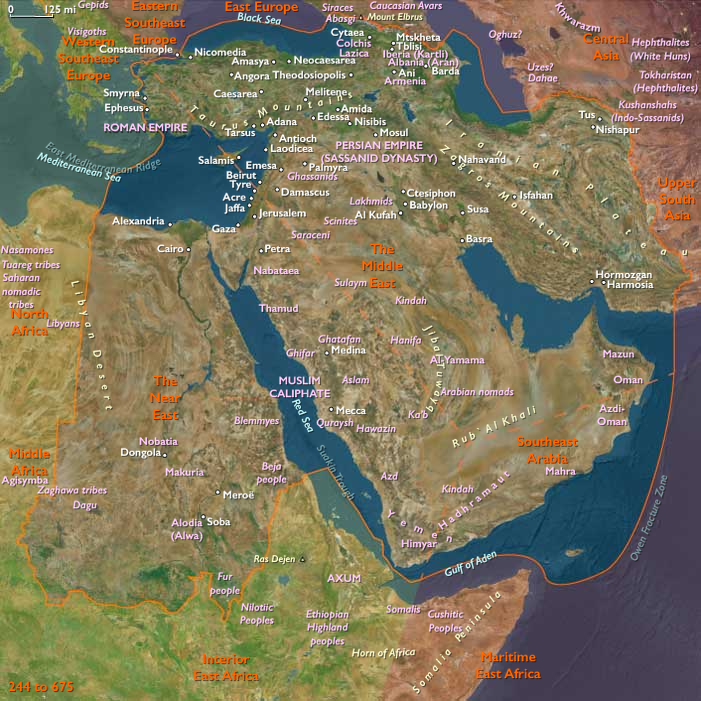
Regions
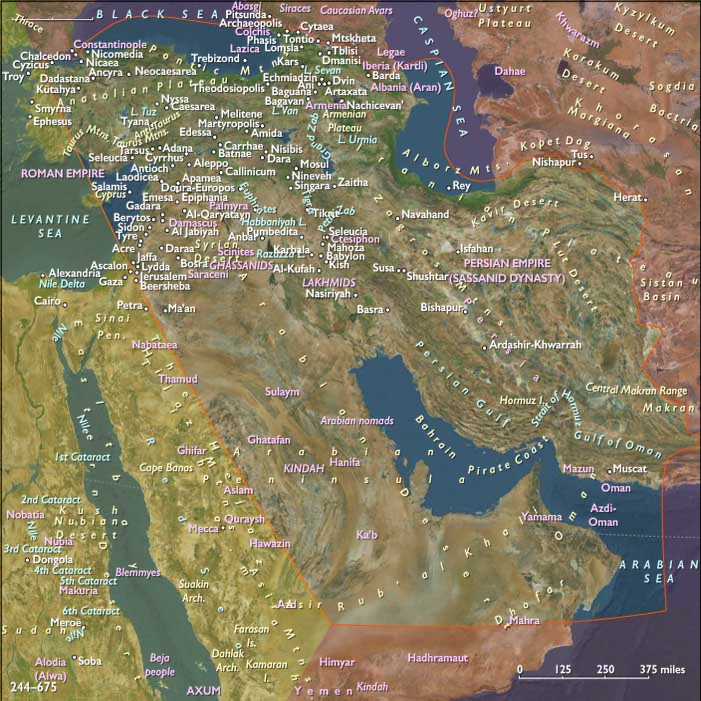
Subregions
Related Events
Showing 10 events out of 58640 total
Years: 460 - 471
People
Groups
- Zoroastrians
- Babylonia, Classical
- Jews
- Mesopotamia (Roman province)
- Persian Empire, Sassanid, or Sasanid
- Christians, Armenian Apostolic Orthodox
- Christianity, Nicene
- Armenia, (East Roman [Byzantine] vassal) Principality of
- Hephthalite Empire
- Armenia, or Persarmenia, (Persian vassal) Marzabanate of
- Roman Empire, Eastern: Leonid dynasty
Topics
Subjects
Regions
Subregions