
The Middle East: 393–382 BCE Evagoras …
Years: 393BCE - 382BCE
The Middle East: 393–382 BCE
Evagoras of Salamis and Persian Conflict
Evagoras, ruler of Salamis in Cyprus, initially maintains amicable relations with the Persian Empire under Artaxerxes II, notably securing Persian support for Athens in its conflict against Sparta. His significant contributions to the pivotal Battle of Cnidus (394 BCE)—where the Spartan fleet suffers a decisive defeat due to his substantial resources and efforts—earn him recognition from Athens, including a prestigious statue placed alongside that of the Athenian admiral Conon in the Ceramicus.
However, from 391 BCE onward, relations deteriorate, and Cyprus enters into a state of near-continuous conflict with the Achaemenid Empire. Allied with Athens and King Hakor (Achoris) of Egypt, Evagoras expands his influence significantly. He consolidates control over most of Cyprus, launches successful incursions into Asia Minor, captures key Phoenician cities such as Tyre, and encourages revolts in Cilicia against Persian authority.
The situation changes dramatically with the Peace of Antalcidas (387 BCE), under which Athens officially recognizes Persian sovereignty over Cyprus, effectively withdrawing its support from Evagoras. Left largely isolated—apart from intermittent Egyptian assistance—Evagoras continues his resistance against Persia. In 385 BCE, Persian generals Tiribazus and Orontes invade Cyprus with a substantial military force. Demonstrating strategic acumen, Evagoras cuts off the Persians from essential supplies, prompting starvation and leading to rebellion among Persian troops, thus temporarily alleviating the siege on his territories.
People
Groups
- Tyre, Kingdom of (Phoenicia)
- Greece, classical
- Cyprus, Classical
- Corinth, City-State of
- Achaemenid, or First Persian, Empire
- Athenian Empire (Delian League)
- Jews
Topics
Subjects
Regions
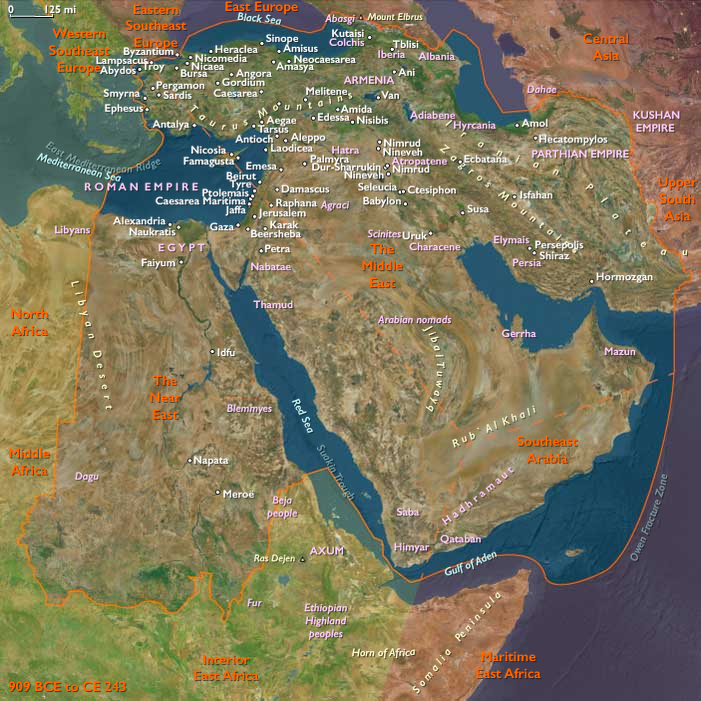
Subregions
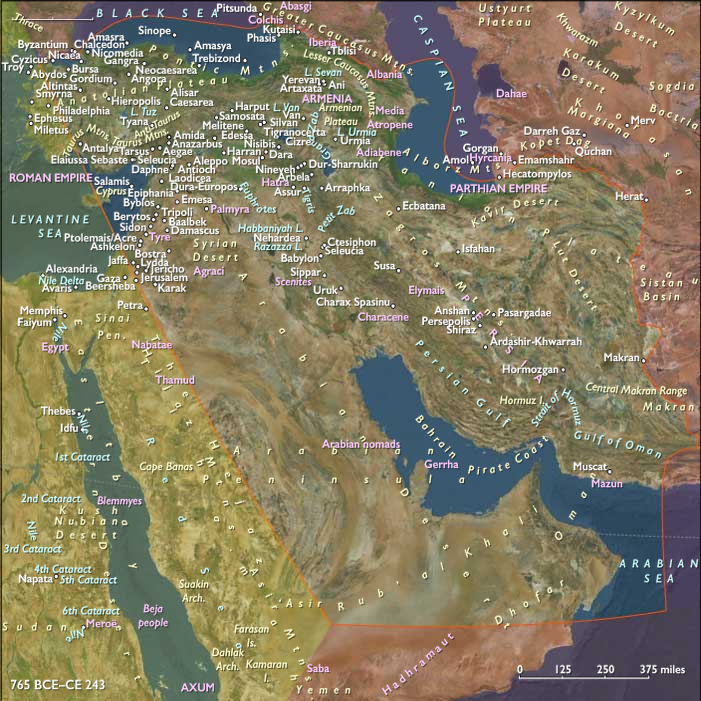
Related Events
Showing 10 events out of 64919 total
Years: 393BCE - 382BCE
People
Groups
- Tyre, Kingdom of (Phoenicia)
- Greece, classical
- Cyprus, Classical
- Corinth, City-State of
- Achaemenid, or First Persian, Empire
- Athenian Empire (Delian League)
- Jews
Topics
Subjects
Regions
Subregions