
The Middle East: 340–351 CE Shapur …
Years: 340 - 351
The Middle East: 340–351 CE
Shapur II and the Battle for Mesopotamia
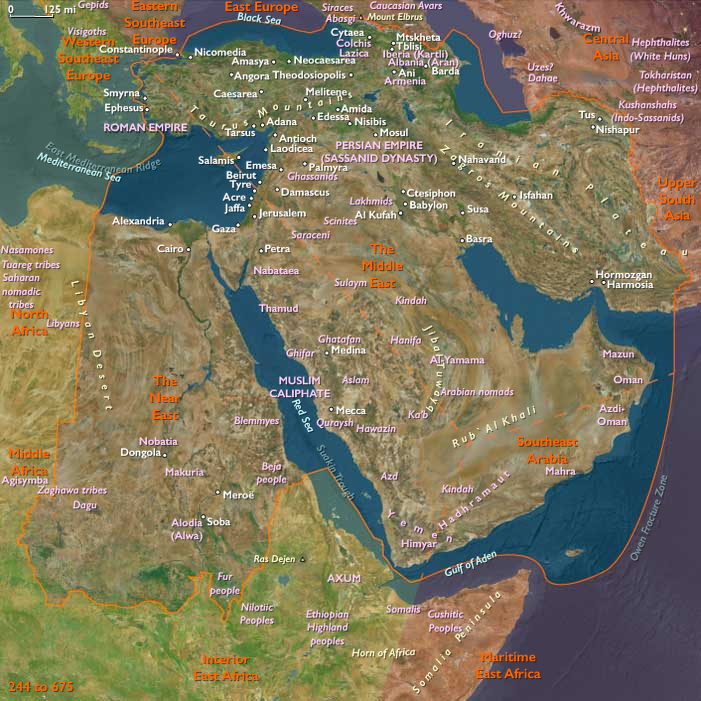
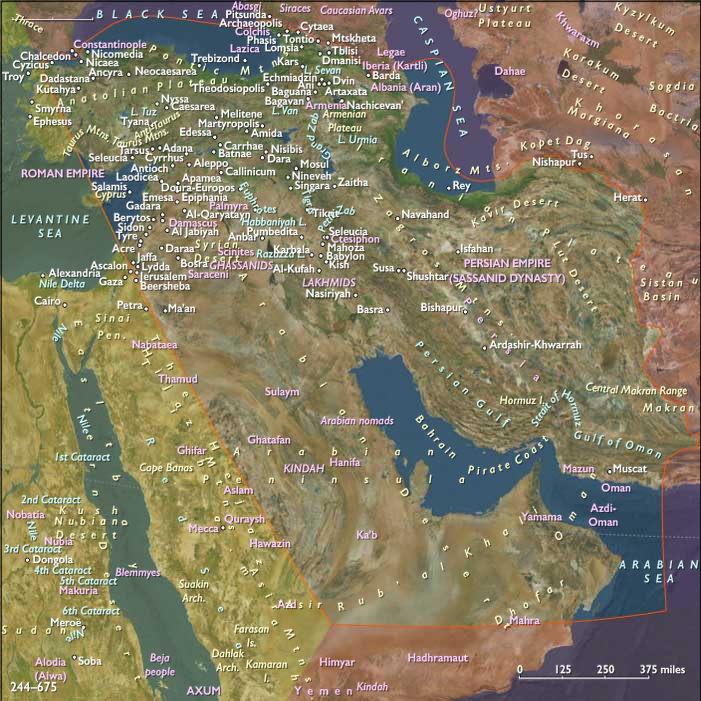
The era from 340 to 351 CE is dominated by persistent military confrontations between the Sassanid Empire under King Shapur II and the Roman Empire under Emperor Constantius II. Of the numerous battles fought during this prolonged conflict, the inconclusive Battle of Singara (modern-day Sinjar, Iraq), occurring in either 344 or 348, is the most renowned. Initially, Constantius II manages a notable success, capturing the Persian camp, but a vigorous night counterattack by Shapur's rallied forces compels the Romans to retreat. Despite historian Edward Gibbon's claim that Shapur consistently bested Constantius, contemporary assessments suggest a more evenly matched struggle between these formidable leaders. The very location of Singara, deep within Persian territory, may itself indicate that Rome had not seriously lost ground at this juncture.
A defining feature of this conflict is the remarkable resilience of the Roman fortress city Nisibis in Mesopotamia. Shapur lays siege to Nisibis on three distinct occasions (337, c. 344, and 349), each time being decisively repulsed by Roman general Lucilianus. Although often victorious in open battles, Shapur's advances make minimal lasting gains against determined Roman resistance.
Simultaneously, Shapur II faces severe threats along his eastern borders from Central Asian tribes, particularly the Scythian Massagetae. These persistent incursions force Shapur to abandon his western campaigns prematurely, prompting a hurried truce with Rome in 350 CE.
This period also sees a profound religious shift. As Christianity's ascendancy within the Roman Empire engenders increased intolerance towards other faiths, the heart of Jewish religious and intellectual life moves decisively eastward, toward Persian-controlled Babylonia. Here, Jewish scholars intensify their study, ultimately compiling the Talmud, a monumental commentary on the Torah. This work meticulously analyzes Jewish law, shaping the religious and communal life of the Jewish diaspora for centuries to come.
Thus, the era 340–351 CE encapsulates a time of persistent but inconclusive warfare between Rome and Persia, significant fortitude displayed at Nisibis, and pivotal cultural developments in the religious landscape of the Middle East.
People
Groups
- Scythians, or Sakas
- Jews
- Mesopotamia (Roman province)
- Persian Empire, Sassanid, or Sasanid
- Christianity, Nicene
- Roman Empire: Constantinian dynasty (Constantinople)
Topics
Subjects
Regions
Subregions
Related Events
Showing 10 events out of 59847 total
Years: 340 - 351
People
Groups
- Scythians, or Sakas
- Jews
- Mesopotamia (Roman province)
- Persian Empire, Sassanid, or Sasanid
- Christianity, Nicene
- Roman Empire: Constantinian dynasty (Constantinople)
Topics
Subjects
Regions
Subregions