
The Middle East: 309–298 BCE Linguistic …
Years: 309BCE - 298BCE
The Middle East: 309–298 BCE
Linguistic and Cultural Shifts and the Babylonian War
The Babylonian War and the Rise of Seleucus
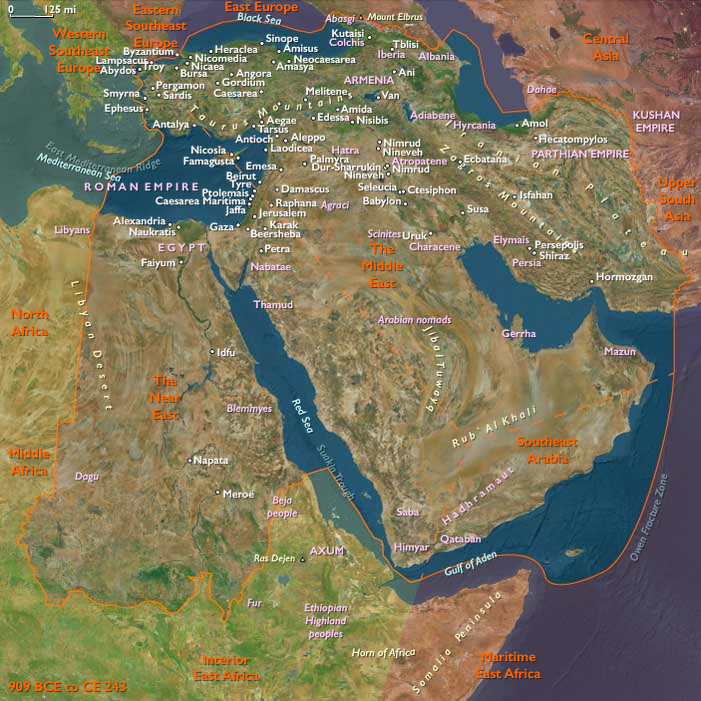
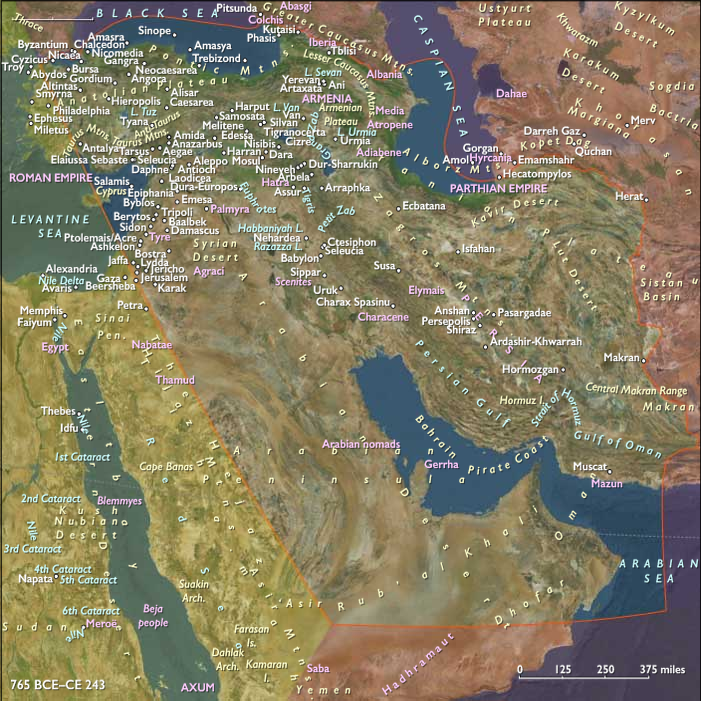
The Babylonian War (311–309 BCE) between Diadochi kings Antigonus I Monophthalmus and Seleucus I Nicator ends in a decisive victory for Seleucus. This conflict eliminates any chance of restoring Alexander's empire, a reality confirmed at the subsequent Battle of Ipsus. The outcome solidifies Seleucus's control over the eastern satrapies, marking the emergence of the extensive Seleucid Empire.
Evolution of the Old Persian Language
During the late fourth century BCE, the Old Persian language, known through inscriptions, clay tablets, and seals, transitions significantly. Inscriptions from the reigns of Artaxerxes II and Artaxerxes III evolve into a form of "pre-Middle Persian," setting the stage for Middle Persian and eventually New Persian, the foundation of modern Persian dialects. Recent discoveries in the Persepolis Fortification Archive at the Oriental Institute reveal practical administrative texts in Old Persian, highlighting broader use beyond royal ceremonial contexts.
People
Groups
Topics
Subjects
Regions
Subregions
Years: 309BCE - 298BCE
People
Groups
Topics
Subjects
Regions
Subregions