
The Middle East: 285–274 BCE Hellenistic …
Years: 285BCE - 274BCE
The Middle East: 285–274 BCE
Hellenistic Rivalries and Regional Dynamics
Antiochus I and Ptolemaic Expansion
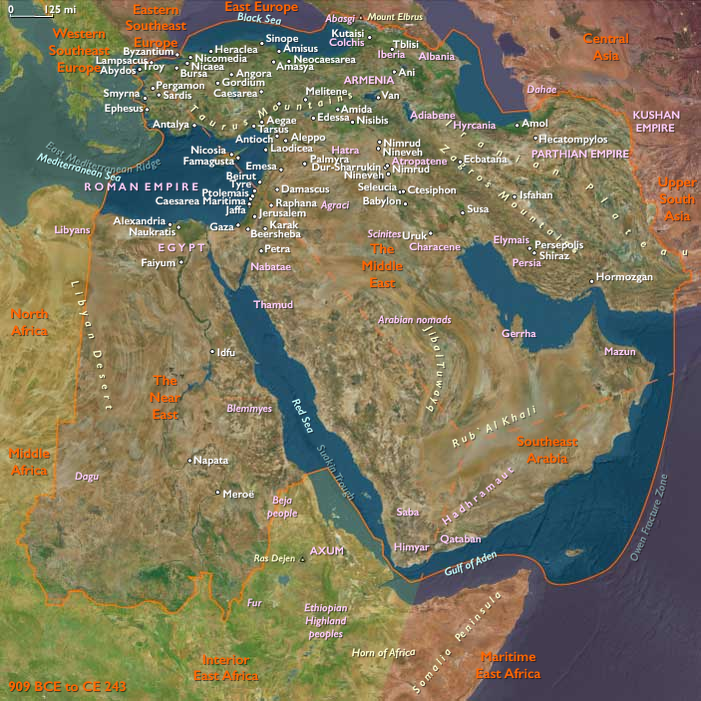
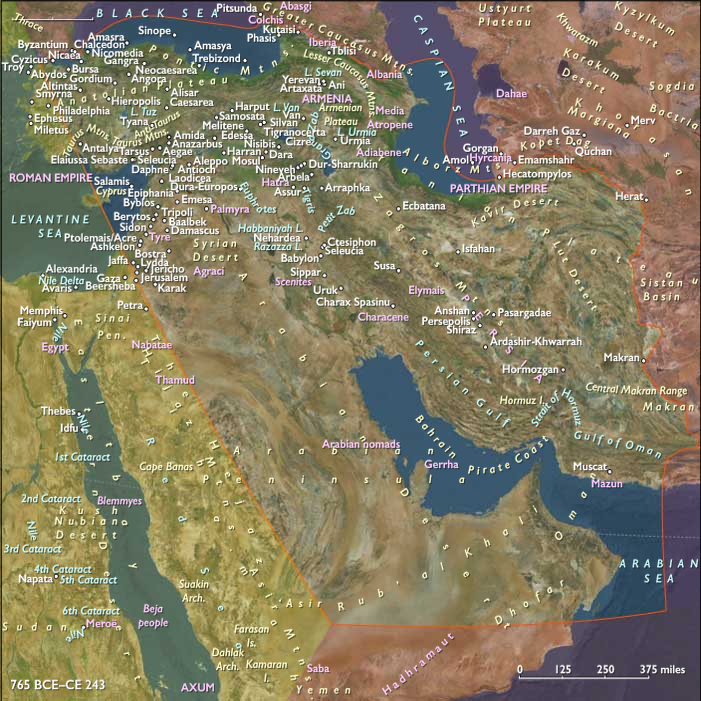
From 285 to 274 BCE, the Middle East continues to experience intense rivalry among Hellenistic dynasties. Antiochus I, the Seleucid king, attempts to consolidate and expand his holdings in Syria and Anatolia but faces significant setbacks. In 280 BCE, Antiochus is decisively defeated by Ptolemy II of Egypt in the Damascene War, curtailing Seleucid influence in the region.
First Syrian War and Ptolemaic Dominance
Tensions between Seleucid and Ptolemaic forces escalate once again with the onset of the First Syrian War in 274 BCE. Ptolemy II, strengthened by his recent marriage to his politically adept sister Arsinoe II, stabilizes the previously volatile Egyptian court, allowing him to conduct a vigorous and effective military campaign against Antiochus, further asserting Egypt's dominance in the eastern Mediterranean.
Consolidation of Hellenistic Dynasties
By 275 BCE, three major Macedonian dynasties have solidified their dominance over the territories of Alexander's fragmented empire. The Antigonids control Macedonia and its Greek dependencies, the Seleucids rule over Asia, and the Ptolemies dominate Egypt. Anatolia is notably divided, with Lycia and Caria under Ptolemaic control, while the Seleucids manage much of the remaining Anatolian regions.
Gallic Incursions and Settlement
The period is also marked by the significant movement of Gallic tribes from various La Tène chiefdoms, pushing southeastward into the Balkan Peninsula. These Celtic groups launch invasions into Greece proper around 279 BCE, capitalizing on the chaotic conditions following Alexander's death. Some of these groups cross into Anatolia and establish a presence in the region soon known as Galatia.
Persian Autonomy under Bagadates I
In the southern Iranian plateau, the region known today as Fars province begins to assert its independence from Seleucid authority. Bagadates I, bearing the title frataraka ("Keeper of the Fire"), becomes the first indigenous Persian satrap tolerated by the Seleucids. His rule around 280 BCE marks a notable resurgence of Persian administrative and cultural autonomy, as depicted on his coinage, which prominently features Zoroastrian symbolism.
This era, therefore, captures a dynamic and turbulent period in Middle Eastern history, marked by significant military conflicts, the solidification of dynastic realms, and notable shifts toward local autonomy amidst broader Hellenistic influences.
People
Groups
- Celts
- Zoroastrians
- Gauls
- La Tène culture
- Ptolemy, Kingdom of
- Seleucus, Kingdom of
- Macedon, Antigonid Kingdom of
- Egypt, Ptolemaic Kingdom of
- Seleucid Kingdom
- Galatia, Kingdom of
Topics
Commodoties
Subjects
Regions
Subregions
Years: 285BCE - 274BCE
People
Groups
- Celts
- Zoroastrians
- Gauls
- La Tène culture
- Ptolemy, Kingdom of
- Seleucus, Kingdom of
- Macedon, Antigonid Kingdom of
- Egypt, Ptolemaic Kingdom of
- Seleucid Kingdom
- Galatia, Kingdom of
Topics
Commodoties
Subjects
Regions
Subregions