
The Middle East: 268–279 CE Zenobia …
Years: 268 - 279
The Middle East: 268–279 CE
Zenobia and the Rise of Palmyra
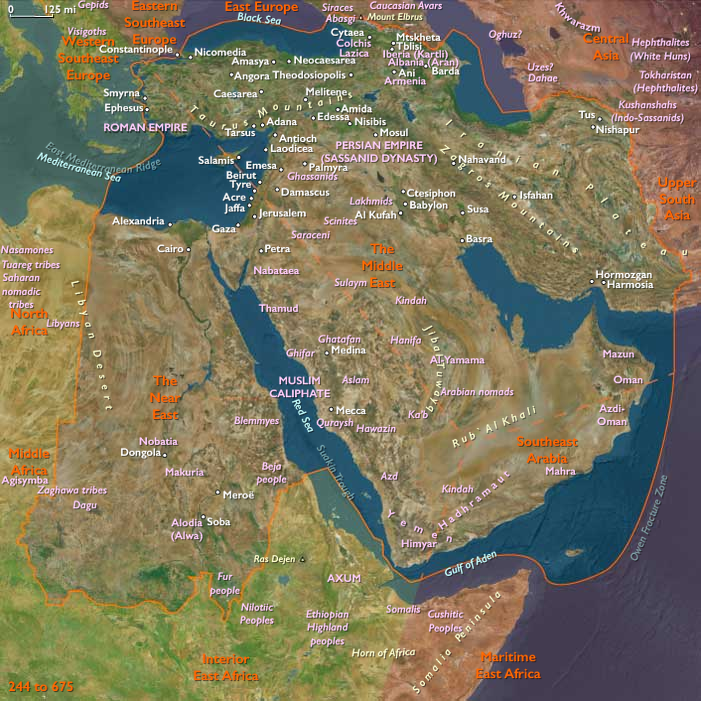
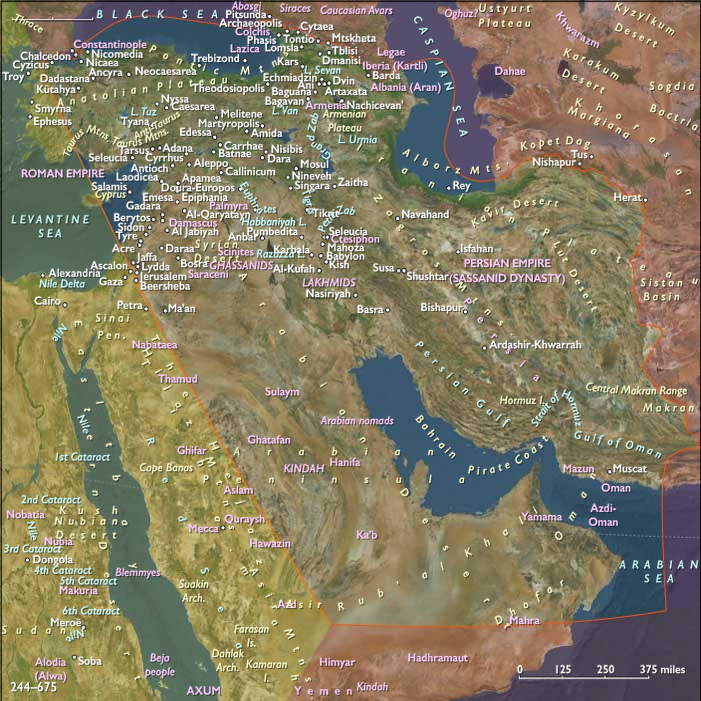
Following the Roman defeat and Emperor Valerian's capture by the Sassanid Persians, power vacuums emerge across Rome's eastern provinces. During this era, the city-state of Palmyra, strategically located in the Syrian desert, emerges as a significant regional power under Queen Zenobia. Palmyra initially aligns itself with Rome, but Zenobia soon asserts independence, expanding her control rapidly.
In 269 CE, Zenobia's forces conquer the Roman provinces of Syria, Egypt, and parts of Anatolia, establishing a short-lived but influential Palmyrene Empire. Under her rule, Palmyra flourishes culturally and economically, becoming a vibrant hub for trade between Rome and the East.
Rome responds decisively to Zenobia's challenge. Emperor Aurelian launches a military campaign, systematically reclaiming lost territories. After a series of fierce battles, Palmyra falls to Aurelian in 272 CE. Zenobia is captured and brought to Rome as a trophy of war, and Palmyra's brief empire ends.
Despite its short duration, the rise of Zenobia’s Palmyra highlights shifting power dynamics and the resilience of local identities amidst Rome and Persia's ongoing struggle for regional dominance.
People
Groups
- Egypt (Roman province)
- Syria Palæstina, Roman province of (Judea, Samaria, and Idumea)
- Roman Empire (Rome): Non-dynastic
- Palmyrene Empire
Topics
Subjects
Regions
Subregions
Years: 268 - 279
People
Groups
- Egypt (Roman province)
- Syria Palæstina, Roman province of (Judea, Samaria, and Idumea)
- Roman Empire (Rome): Non-dynastic
- Palmyrene Empire
Topics
Subjects
Regions
Subregions