
The Middle East (2008–2019): Uprisings, Fragmentation, and …
Years: 2008 - 2019
The Middle East (2008–2019): Uprisings, Fragmentation, and Shifting Alliances
The period from 2008 to 2019 represents a profound turning point for the Middle East. A series of dramatic events—including the Arab Spring uprisings, escalating regional rivalries, civil wars, and shifting alliances—reshape the political and social landscape, leaving the region significantly altered and deeply fragmented.
The Arab Spring and its Aftermath (2010–2012)
Beginning in late 2010, a wave of popular uprisings, known collectively as the Arab Spring, sweeps across North Africa and the Middle East. Sparked by economic hardship, corruption, and repression, these protests topple longstanding authoritarian rulers and ignite hopes for democratic reform.
In Syria, peaceful protests in March 2011 quickly descend into brutal civil war after President Bashar al-Assad violently suppresses demonstrators. Over the subsequent years, Syria’s conflict escalates into a proxy battleground involving regional and global powers, including Iran, Russia, Turkey, the United States, and various Gulf states. The war results in hundreds of thousands of deaths and the displacement of millions, profoundly destabilizing the region.
In the Gulf states, particularly Bahrain, widespread protests erupt in February 2011. Bahrain’s Shi’a-majority demonstrators demand democratic reform and greater equality from their Sunni monarchy. The uprising is suppressed forcefully by Bahraini security forces with Saudi-led GCC military assistance, underscoring deep regional anxieties about Iran’s potential influence.
Iraq and the Rise of ISIS (2013–2017)
Sectarian tensions in Iraq, exacerbated by Prime Minister Nouri al-Maliki’s discriminatory policies against the Sunni population, erupt in renewed violence in 2013. The jihadist group known as the Islamic State of Iraq and Syria (ISIS), emerging from Al-Qaeda in Iraq, exploits Sunni grievances, rapidly capturing vast territories across northern and western Iraq and eastern Syria by mid-2014. ISIS proclaims a caliphate, brutally imposes its extremist ideology, commits widespread atrocities, and sparks international outrage.
A U.S.-led coalition launches a comprehensive military campaign against ISIS in 2014, involving heavy airstrikes, support for Kurdish militias (Peshmerga in Iraq, YPG/SDF in Syria), and Iraqi government forces. By late 2017, ISIS loses virtually all territorial control, although it remains a potent insurgency force.
Iran’s Regional Expansion and Nuclear Diplomacy
During this period, Iran significantly expands its regional influence through direct and indirect involvement in conflicts in Syria, Iraq, Lebanon, and Yemen. Supporting militias such as Hezbollah in Lebanon, Shi’a militias in Iraq, and the Houthi rebels in Yemen, Iran establishes itself as a major regional power, fueling intense rivalry with Saudi Arabia, the UAE, and Israel.
In 2015, after prolonged diplomatic negotiations, Iran signs the Joint Comprehensive Plan of Action (JCPOA) with the U.S., UK, France, Germany, Russia, and China. This agreement curbs Iran’s nuclear activities in exchange for sanctions relief. However, tensions escalate dramatically in 2018 when the Trump administration unilaterally withdraws from the JCPOA, reimposing harsh economic sanctions on Iran and igniting fresh geopolitical tensions.
Saudi Arabia: New Leadership, Aggressive Foreign Policy
Saudi Arabia undergoes significant internal and external transformations with the rise of Crown Prince Mohammed bin Salman (MBS) in 2015. His ambitious economic reform program, Vision 2030, aims to diversify the kingdom’s oil-dependent economy. However, his rule is marked by authoritarian measures, including the detention of political rivals and activists, and most notoriously, the assassination of journalist Jamal Khashoggi in 2018.
Regionally, Saudi Arabia pursues a confrontational foreign policy aimed at curbing Iranian influence. In 2015, it leads a coalition intervention in Yemen against Iran-backed Houthi rebels. The Yemen war becomes a humanitarian disaster, leading to widespread civilian suffering, famine, and international condemnation.
Turkey: Authoritarianism, Kurdish Conflict, and Regional Ambitions
Under President Recep Tayyip Erdoğan, Turkey moves decisively toward authoritarian governance following a failed military coup attempt in July 2016. Erdoğan purges political opponents, academics, and journalists, consolidating power through constitutional changes granting the presidency unprecedented authority.
Regionally, Turkey increasingly intervenes militarily in Syria, primarily against Kurdish groups that it perceives as affiliates of the PKK (Kurdistan Workers' Party). Turkey’s interventions in northern Syria aim to prevent Kurdish autonomy and to establish a buffer zone along its southern border.
The Gulf States: Rising Influence and Internal Rivalries
Qatar emerges prominently as a diplomatic mediator and influential player, leveraging its wealth and media presence via Al Jazeera to influence regional affairs. However, Qatar’s independent stance creates friction, leading to a severe diplomatic crisis in 2017, when Saudi Arabia, the UAE, Bahrain, and Egypt impose a blockade accusing Qatar of supporting terrorism and Iran. Qatar withstands the blockade with support from Turkey, Iran, and international diplomacy, underscoring the fragmentation of GCC unity.
The UAE, under Crown Prince Mohammed bin Zayed, significantly expands its geopolitical influence. It asserts its presence militarily in Yemen, becomes actively involved in Libya, and deepens alliances with Western powers, positioning itself as a key regional security partner.
Lebanon’s Persistent Instability
Lebanon remains politically fragmented, caught in persistent economic crises, and subject to significant foreign influence, particularly through Hezbollah’s dominance. Sectarian tensions and economic stagnation continue to undermine stability, culminating in nationwide protests in 2019 demanding political reform and transparency.
South Caucasus: Frozen Conflicts and Stability Challenges
Armenia and Azerbaijan remain embroiled in ongoing tensions over Nagorno-Karabakh, with periodic clashes but no substantial resolution. Armenia undergoes a democratic revolution in 2018, bringing Nikol Pashinyan to power with promises of reform and anti-corruption measures.
In Georgia, political polarization persists, with ongoing challenges to democratization. Tensions with Russia remain acute following Russia’s recognition of breakaway regions Abkhazia and South Ossetia as independent after a brief war in 2008.
Legacy of Turmoil and Fragmentation (2008–2019)
The period between 2008 and 2019 leaves a legacy of profound transformation, marked by widespread instability, human suffering, and geopolitical shifts. The Arab Spring largely fails to fulfill democratic aspirations, instead giving rise to civil wars, refugee crises, and intensified sectarian divisions. Iran’s strategic gains and Saudi Arabia’s aggressive responses heighten regional tensions, while Turkey’s authoritarian shift alters its role dramatically. The struggle against ISIS reshapes regional security dynamics, and the ongoing Syrian tragedy underscores the failures of international diplomacy.
This era concludes with the Middle East deeply fragmented, economically strained, and politically volatile, laying the groundwork for ongoing challenges and unresolved conflicts that continue to shape the region’s trajectory.
People
- Bashar al-Assad
- Donald Trump
- Jamal Khashoggi
- Mohamed bin Zayed Al Nahyan
- Mohammed bin Salman Al Saud
- Nikol Pashinyan
- Nouri al-Maliki
- Recep Tayyip Erdoğan
Groups
- Muslims, Sunni
- Muslims, Shi'a
- Wahhabism
- United States of America (US, USA) (Washington DC)
- Britain (United Kingdom of Great Britain and Northern Ireland)
- Saudi Arabia, Kingdom of
- Lebanon, Republic of
- Arab League, or League of Arab States
- United Nations, The (U.N.)
- Syria, or Syrian Arab Republic
- Jordan, Hashemite Kingdom of
- China, People's Republic of
- Iraq, First Republic of
- France (French republic); the Fifth Republic
- Bahrain
- United Arab Emirates (U.A.E.)
- Qatar, State of
- Egypt, Arab Republic of
- PKK (Partiya Karkerên Kurdistan or Kurdistan Workers Party, aka KADEK and Kongra-Gel)
- Gulf Cooperation Council (GCC)
- Hezbollah (Party of God)
- South Ossetia
- Yemen, Republic of
- Russian Federation
- Georgia, Republic of
- Azerbaijan (Azerbaijani Republic)
- Armenia, Republic of
- Houthis
- Palestinian National Authority
- Peshmerga
- Abkhazia
- Al-Qaeda in Iraq
- Islamic State of Iraq
- People's Defense Units (YPG)
- Islamic State (IS)
- Syrian Democratic Forces (SDF)
Topics
Subjects
Regions
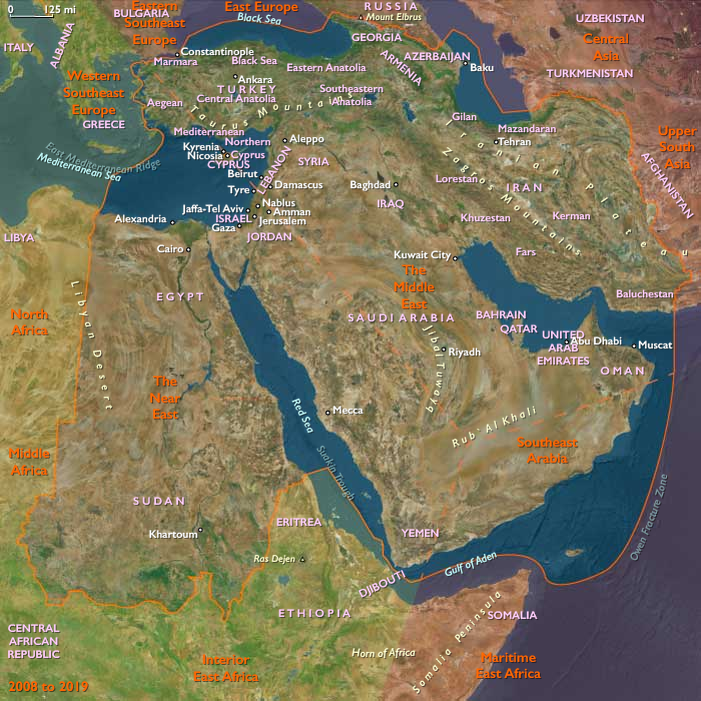
Subregions
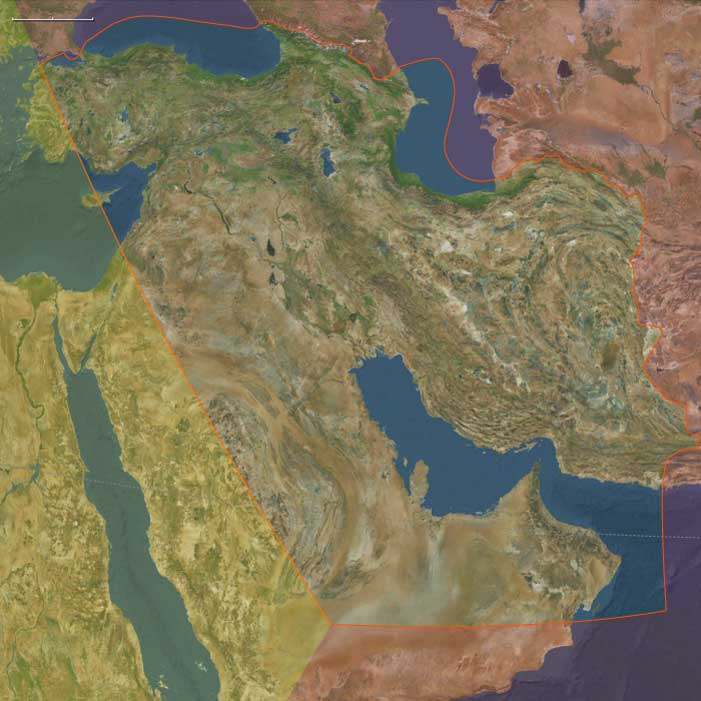
Years: 2008 - 2019
People
- Bashar al-Assad
- Donald Trump
- Jamal Khashoggi
- Mohamed bin Zayed Al Nahyan
- Mohammed bin Salman Al Saud
- Nikol Pashinyan
- Nouri al-Maliki
- Recep Tayyip Erdoğan
Groups
- Muslims, Sunni
- Muslims, Shi'a
- Wahhabism
- United States of America (US, USA) (Washington DC)
- Britain (United Kingdom of Great Britain and Northern Ireland)
- Saudi Arabia, Kingdom of
- Lebanon, Republic of
- Arab League, or League of Arab States
- United Nations, The (U.N.)
- Syria, or Syrian Arab Republic
- Jordan, Hashemite Kingdom of
- China, People's Republic of
- Iraq, First Republic of
- France (French republic); the Fifth Republic
- Bahrain
- United Arab Emirates (U.A.E.)
- Qatar, State of
- Egypt, Arab Republic of
- PKK (Partiya Karkerên Kurdistan or Kurdistan Workers Party, aka KADEK and Kongra-Gel)
- Gulf Cooperation Council (GCC)
- Hezbollah (Party of God)
- South Ossetia
- Yemen, Republic of
- Russian Federation
- Georgia, Republic of
- Azerbaijan (Azerbaijani Republic)
- Armenia, Republic of
- Houthis
- Palestinian National Authority
- Peshmerga
- Abkhazia
- Al-Qaeda in Iraq
- Islamic State of Iraq
- People's Defense Units (YPG)
- Islamic State (IS)
- Syrian Democratic Forces (SDF)
Topics
Subjects
Regions
Subregions