
The Middle East: 153–142 BCE Consolidation …
Years: 153BCE - 142BCE
The Middle East: 153–142 BCE
Consolidation of Jewish Autonomy and Further Seleucid Decline
The era from 153 to 142 BCE sees continued consolidation of Jewish autonomy in Judea under the Hasmonean leadership, notably through the strategic actions of Jonathan Maccabee. Following his installation as high priest, Jonathan proves to be not only a religious leader but also a capable political and military figure, skillfully navigating the complex and turbulent political landscape dominated by competing Seleucid factions.
Jonathan exploits the internal Seleucid struggles to further Jewish autonomy. In 152 BCE, Alexander Balas, a rival claimant to the Seleucid throne, seeks Jonathan’s support against Demetrius I Soter. Recognizing a strategic opportunity, Jonathan aligns with Alexander, who rewards him by confirming his position as high priest and granting additional political privileges, effectively acknowledging Judean autonomy.
In 150 BCE, Jonathan is further elevated when Alexander Balas formally appoints him governor of Judea, thus combining religious and secular authority in his person. This appointment symbolizes a significant diplomatic victory for the Hasmonean dynasty, solidifying Judean independence and significantly expanding Jewish self-rule.
The turbulent Seleucid dynastic conflicts culminate in the Battle of the Oenoparus in 145 BCE, during which Alexander Balas is defeated by Demetrius II. Jonathan adeptly switches allegiance, aligning himself with Demetrius II, who reconfirms his autonomy and expands Judean territories as compensation for his loyalty.
Jonathan’s strategic diplomatic engagements and military actions significantly strengthen Judean autonomy and set the foundations for greater territorial expansion under the Hasmonean dynasty. By 142 BCE, Jonathan’s brother, Simon Maccabee, emerges as a powerful figure, preparing to assume leadership and further expand Judean independence.
Meanwhile, the Seleucid Empire continues to fracture, losing control of its territories due to internal dynastic struggles and external pressures. Seleucid authority in the Middle East becomes increasingly nominal as regions like Judea assert and maintain independent political identities, highlighting the irreversible decline of Seleucid hegemony.
Thus, the period from 153 to 142 BCE is marked by the strategic consolidation of Jewish political autonomy under Hasmonean leadership and the continued fragmentation and weakening of the Seleucid Empire, setting the stage for lasting changes in the regional political structure.
People
- Alexander Balas
- Antiochus IV Epiphanes
- Demetrius I Soter
- Demetrius II Nicator
- Jonathan Apphus
- Ptolemy VI Philometor
- Simon Thassi
Groups
Topics
Subjects
Regions
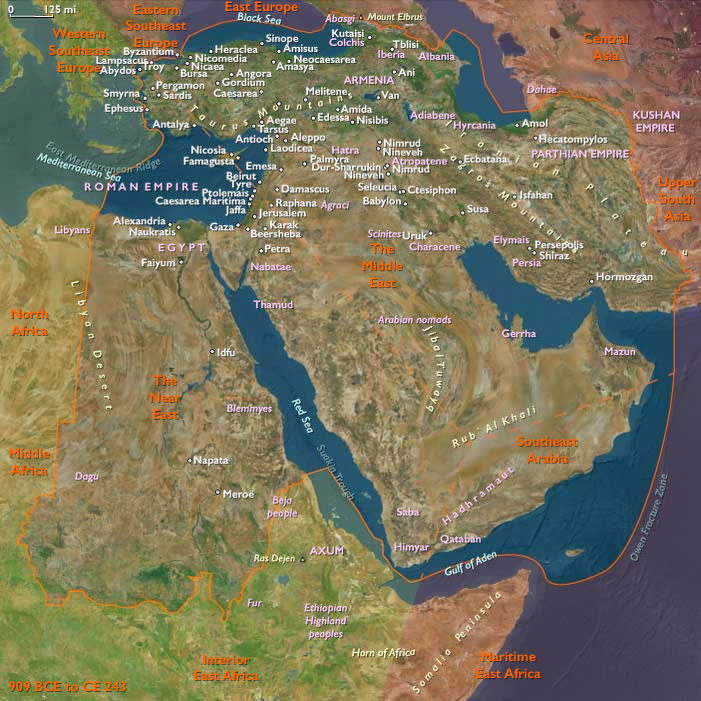
Subregions
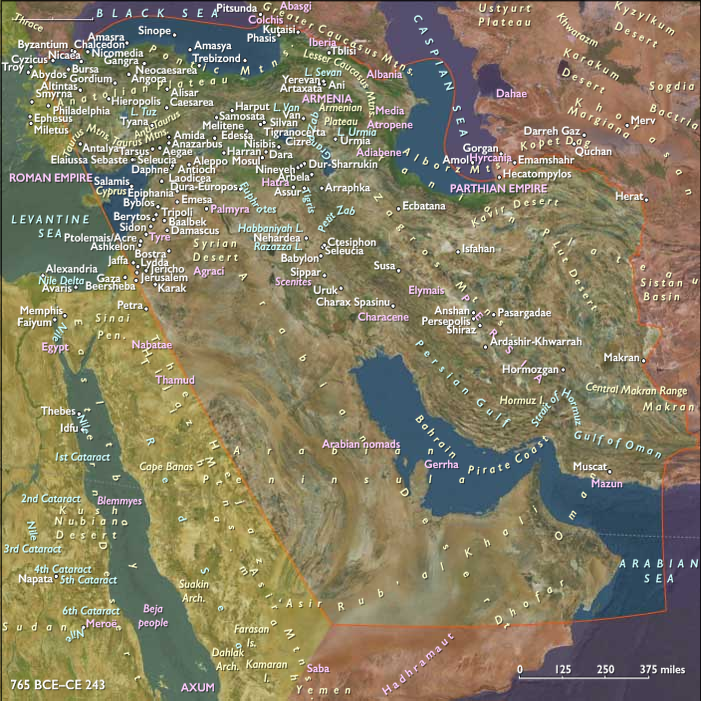
Related Events
Showing 1 events out of 1 total
Years: 153BCE - 142BCE
People
- Alexander Balas
- Antiochus IV Epiphanes
- Demetrius I Soter
- Demetrius II Nicator
- Jonathan Apphus
- Ptolemy VI Philometor
- Simon Thassi
Groups
Topics
Subjects
Regions
Subregions