
The Middle East: 1648–1659 CE Strengthening …
Years: 1648 - 1659
The Middle East: 1648–1659 CE
Strengthening of the Yarubid Dynasty
Imam Sultan bin Saif al-Ya'aruba, successor to Nasir bin Murshid, continues the consolidation of Yarubid power in Oman and further asserts Omani naval dominance in the region. In 1650, Sultan bin Saif achieves a landmark victory by successfully capturing Muscat from Portuguese control. This decisive action fully expels Portuguese colonial power from Oman's shores, ending their nearly century-and-a-half occupation. The Yarubid dynasty further expands its maritime influence, reinforcing its status as a major power in the Persian Gulf and Indian Ocean.
Ottoman Stability and Administrative Reforms
The Ottoman Empire, under Sultan Mehmed IV, witnesses a period of relative stability and internal administrative reform after decades of conflict. The restoration of Ottoman authority in regions such as Iraq and Lebanon brings about enhanced governance and economic recovery. In Baghdad, Ottoman administrators work to restore the city's commercial vitality and cultural prominence, investing in urban infrastructure and trade routes, which bolsters economic ties throughout the empire.
Safavid Cultural and Economic Flourishing
Under the Safavid dynasty, particularly during the reign of Shah Abbas II (1642–1666), Iran experiences significant cultural and economic prosperity despite ongoing geopolitical tensions. Isfahan remains the jewel of the empire, with its magnificent architecture, grand bazaars, and vibrant artistic communities. Abbas II promotes commerce and industry, fostering trade along the Silk Road and encouraging European and Asian merchants to frequent Safavid markets, thus ensuring continued economic growth.
Continued Trade and Cultural Exchange in Aleppo
Aleppo maintains its critical role as a commercial and cultural hub, bridging trade between Europe and the Middle East. Despite occasional disruptions due to regional conflicts, the city's markets thrive with an extensive network of trade routes and merchant communities. Textiles, spices, and luxury goods continue to circulate, solidifying Aleppo's reputation as a prosperous economic center.
Legacy of the Era
The era 1648–1659 sees the Yarubids fully establish Oman as an independent maritime power, marking the definitive end of Portuguese colonial ambitions in the region. Concurrently, the Ottoman Empire experiences internal stability and administrative strengthening, while the Safavid Empire continues its cultural and economic expansion under Shah Abbas II. Together, these developments underscore a period of relative prosperity and significant geopolitical realignment across the Middle East.
People
Groups
- Omanis
- Muslims, Sunni
- Muslims, Shi'a
- Muslims, Ibadi
- Ottoman Empire
- Portuguese Empire
- Persia, Safavid Kingdom of
- Oman, Second Imamate of
- Yaruba dynasty
Topics
Commodoties
Subjects
Regions
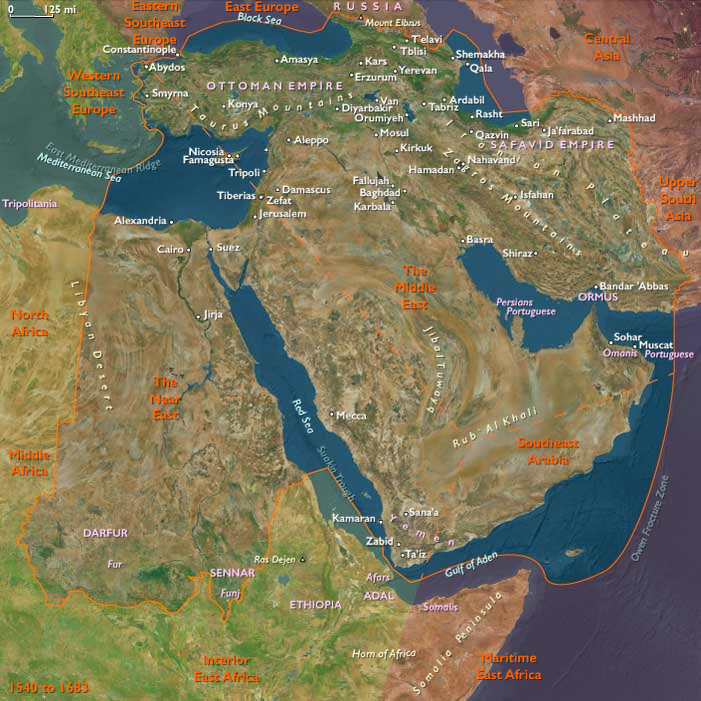
Subregions
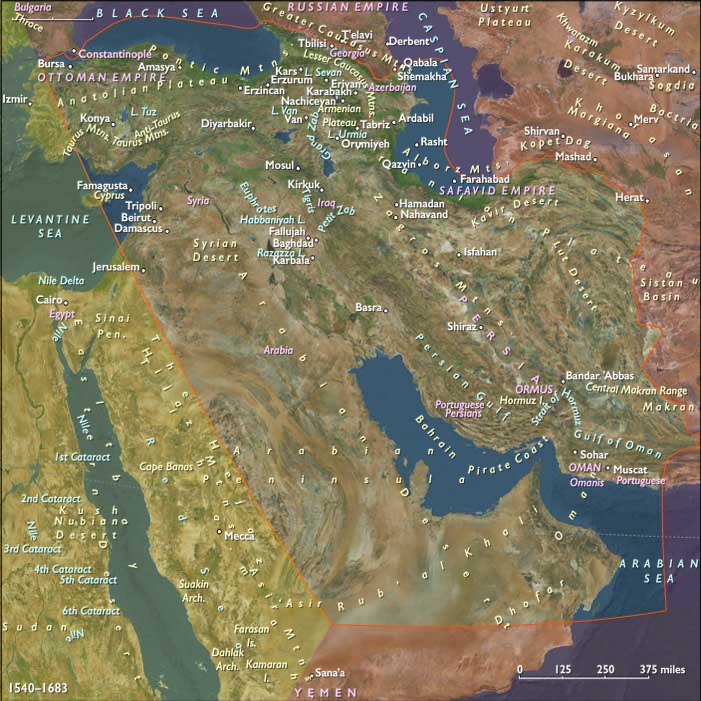
Related Events
Showing 10 events out of 31953 total
Years: 1648 - 1659
People
Groups
- Omanis
- Muslims, Sunni
- Muslims, Shi'a
- Muslims, Ibadi
- Ottoman Empire
- Portuguese Empire
- Persia, Safavid Kingdom of
- Oman, Second Imamate of
- Yaruba dynasty
Topics
Commodoties
Subjects
Regions
Subregions