
The Middle East: 141–130 BCE Parthian …
Years: 141BCE - 130BCE
The Middle East: 141–130 BCE
Parthian Expansion and the Final Decline of Seleucid Power
The era from 141 to 130 BCE marks a decisive shift in power dynamics within the Middle East as the Seleucid Empire faces irrecoverable territorial losses to the rapidly expanding Parthian Empire.
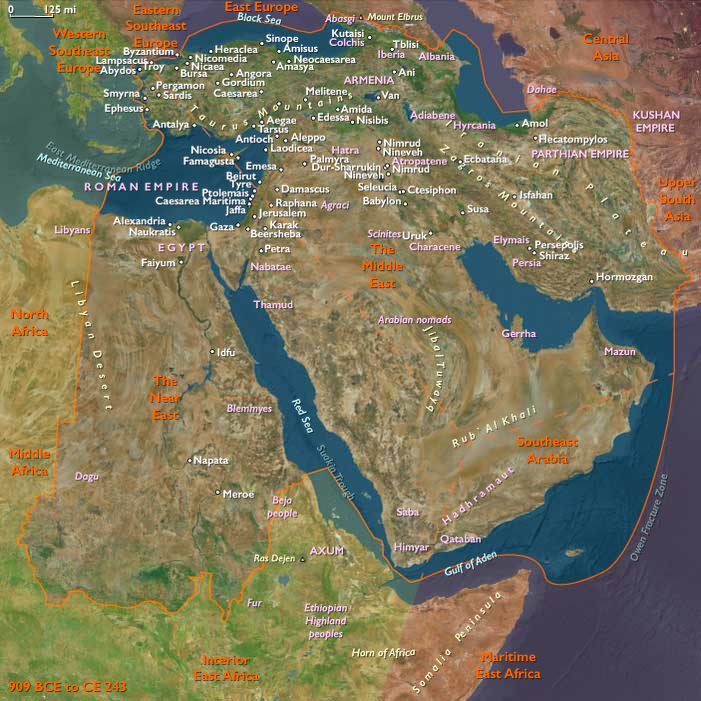
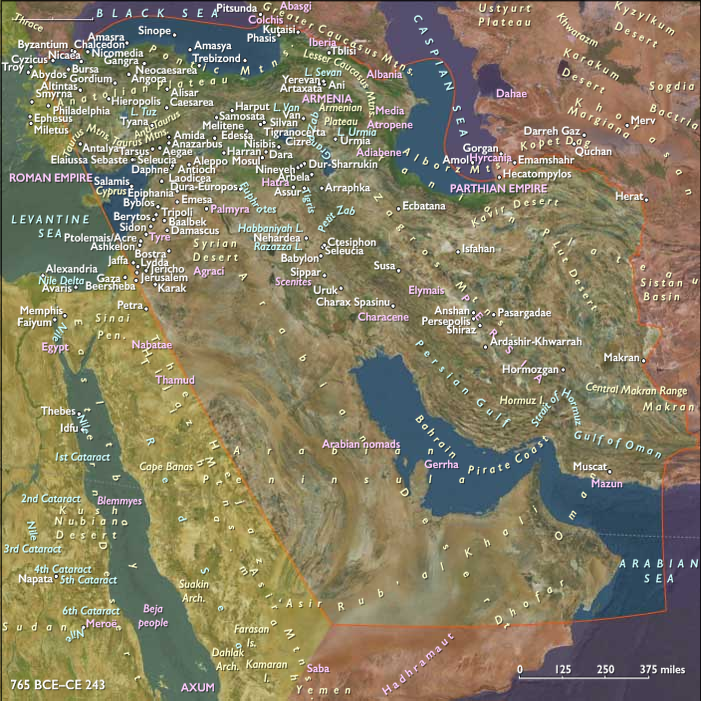
In 141 BCE, the Parthian king Mithridates I captures the strategically vital city of Seleucia, the eastern capital of the Seleucid Empire. This conquest effectively transfers control of Mesopotamia and Babylonia to the Parthians, extending their dominion from the Euphrates River to the Indus River and firmly establishing Parthia as a major regional power.
Seleucid authority east of the Euphrates is effectively extinguished with the loss of Seleucia, prompting desperate countermeasures. In 139 BCE, Seleucid king Demetrius II launches a major military campaign aimed at reclaiming these lost eastern territories. However, the Parthian forces decisively defeat this counterattack, capturing Demetrius II and effectively ending Seleucid claims east of the Euphrates.
Despite further attempts to reverse these losses, such as the ambitious but ultimately unsuccessful campaign of Antiochus VII in 130 BCE, the Seleucid Empire's disintegration is rapid and irreversible. The Seleucids can no longer project effective military or political authority over their eastern provinces, leading to the emergence of fully autonomous Parthian rule in these regions.
Thus, the period from 141 to 130 BCE is defined by the dramatic ascendancy of Parthian power, the severe territorial contraction of the Seleucid Empire, and a fundamental realignment of regional power structures in the Middle East. This era solidifies Parthian dominance and marks a significant step toward the ultimate disintegration of Seleucid influence throughout the region.
People
Groups
Subjects
Regions
Subregions
Related Events
Showing 10 events out of 63084 total
Years: 141BCE - 130BCE
People
Groups
Subjects
Regions
Subregions