
The Middle East: 148–159 CE Religious …
Years: 148 - 159
The Middle East: 148–159 CE
Religious Movements and Growing Christianity
The period from 148 to 159 CE witnesses significant developments in religious thought and organization, particularly marked by the rise of the Montanist movement around the middle of the century. Originating in Phrygia (present-day central Turkey), Montanus, a charismatic convert to Christianity, claims to have received divine revelations shortly after his baptism in approximately 156 CE (though some sources suggest a later date of 172 CE). Montanus declares himself the chosen prophet of the Holy Spirit, tasked with leading Christianity into its ultimate, perfected state in preparation for imminent end times.
Montanism emphasizes spiritual fervor, ecstatic prophecy, asceticism, and rigorous moral discipline. Rejecting the hierarchical and institutional structures increasingly shaping the early Christian church, Montanus advocates for a return to a purer, more spontaneous form of Christianity characterized by personal spiritual revelation, charismatic leadership, and a rigorous lifestyle marked by isolation, prayer, fasting, and disdain for worldly attachments.
Though initially attractive to many Christians who feel alienated by growing ecclesiastical formality, Montanism soon sparks controversy and opposition from mainstream church leaders. The movement prompts intense theological debates regarding the nature of prophecy, the authority of church hierarchy, and the appropriate expression of spirituality. Despite—or perhaps because of—this controversy, Montanism quickly spreads beyond Phrygia, significantly impacting Christian communities throughout Asia Minor, the Near East, and even reaching as far as North Africa.
This era, therefore, marks a critical juncture in early Christian history, highlighting tensions between charismatic religious expression and structured ecclesiastical governance, setting patterns that will continue to shape religious discourse for centuries to come.
People
Groups
Subjects
Regions
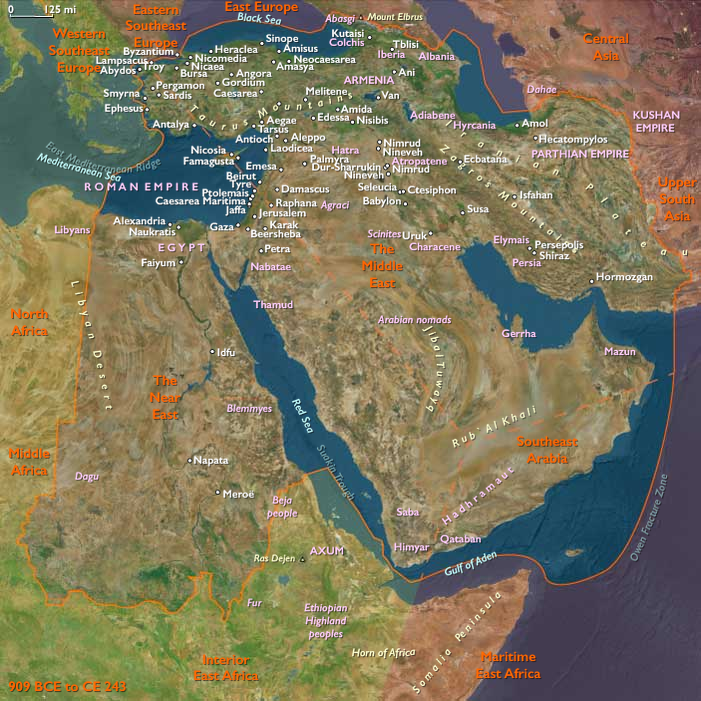
Subregions
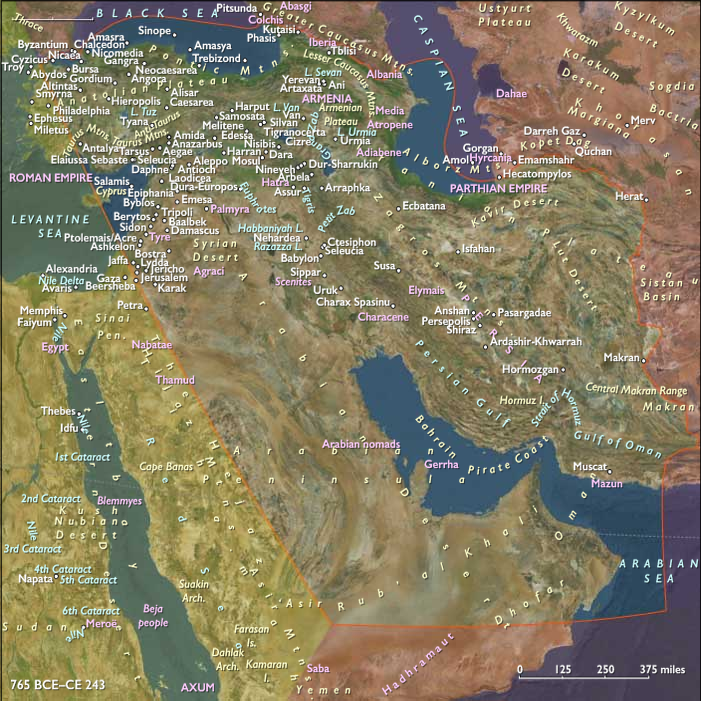
Related Events
Showing 10 events out of 31 total
Years: 148 - 159
People
Groups
Subjects
Regions
Subregions