
The megalithic complex of Hagar Qim is …
Years: 3645BCE - 3502BCE
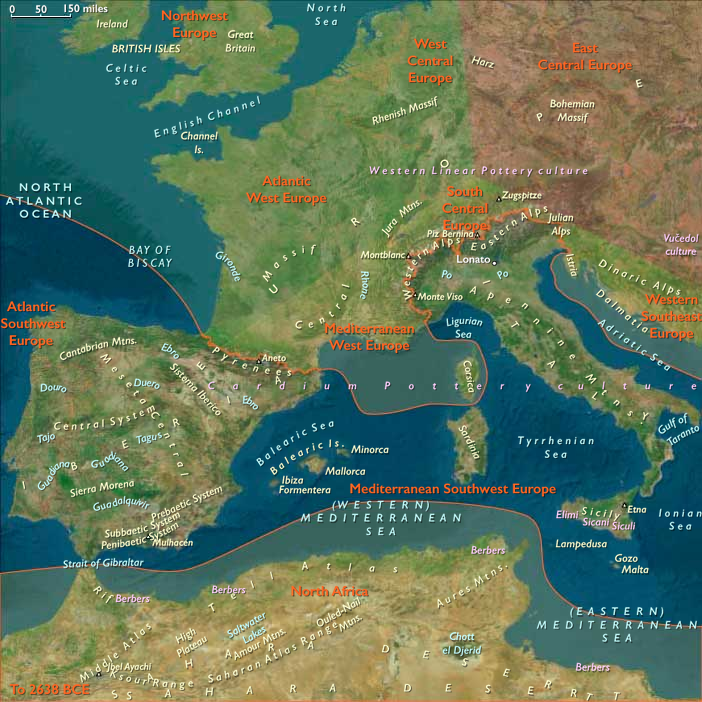
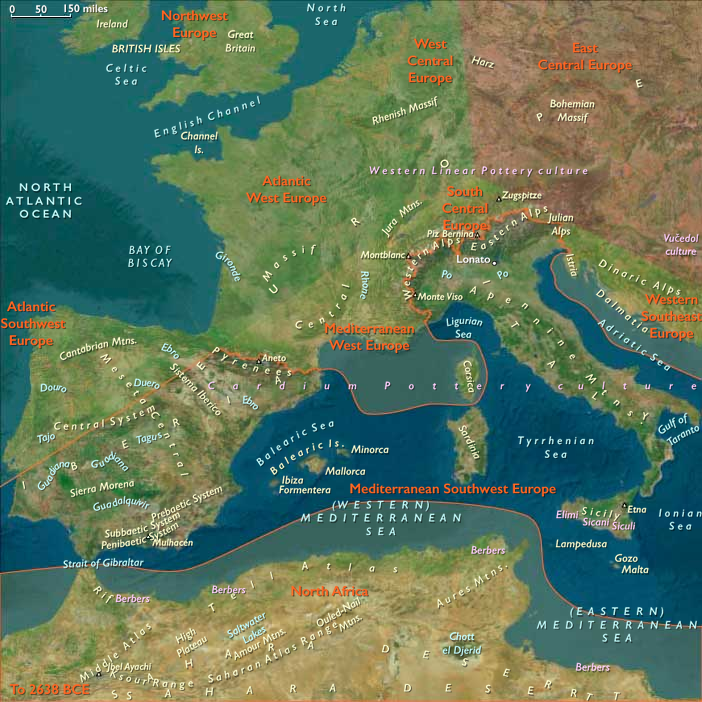
The megalithic complex of Hagar Qim is located atop a hill on the southern edge of the island of Malta, on a ridge capped in soft globigerina limestone.
All exposed rock on the island was deposited during the Oligocene and Miocene periods.
Globigerina limestone is the second oldest rock on Malta, outcropping over approximately seventy percent of the area of the islands.
The builders used this stone throughout the temple architecture.
A trilithon entrance, outer bench, and orthostats characterize the temple’s façade.
It has a wide forecourt with a retaining wall and a passage runs through the middle of the building, following a modified Maltese megalithic design.
A separate entrance gives access to four independent enclosures that replace the northwesterly apse.
Features of temple architecture reveal a preoccupation with providing accommodation for animal sacrifices, burnt offerings and ritual oracles.
Recesses were used as depositories for sacrificial remains.
Excavation has uncovered numerous statuettes of deities and highly decorated pottery.
No burials exist in the temple or the area surrounding Hagar Qim, nor have any human bones been discovered in Maltese temples.
Bones of numerous sacrificial animals have been found.
It is theorized that the Hagar Qim complex was built in three stages, beginning with the 'Old Temple' northern apses, followed by the 'New Temple', and finally the completion of the entire structure.
Locations
Groups
Topics
- Chalcolithic Epoch, or Copper Ages
- Younger Peron Transgression during the Neolithic Subpluvial
- Subboreal Period
Commodoties
Subjects
- Architecture
- Sculpture
- Environment
- Decorative arts
- Faith
- Custom and Law
- Technology
- Anthropology
- Archaeology
Regions
Subregions
Related Events
Showing 10 events out of 68780 total
Years: 3645BCE - 3502BCE
Locations
Groups
Topics
- Chalcolithic Epoch, or Copper Ages
- Younger Peron Transgression during the Neolithic Subpluvial
- Subboreal Period
Commodoties
Subjects
- Architecture
- Sculpture
- Environment
- Decorative arts
- Faith
- Custom and Law
- Technology
- Anthropology
- Archaeology
Regions
Subregions