
The many settlement sites scattered throughout the …
Years: 1108 - 1119
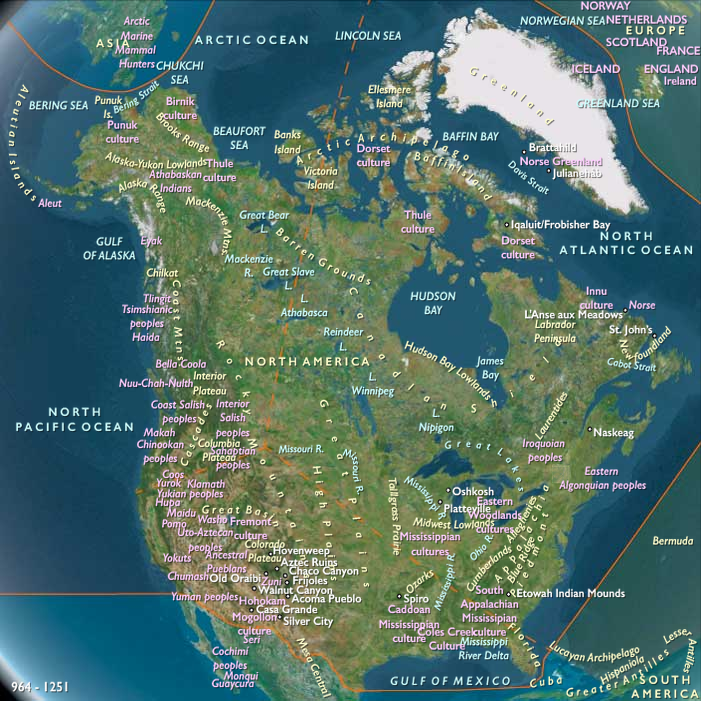
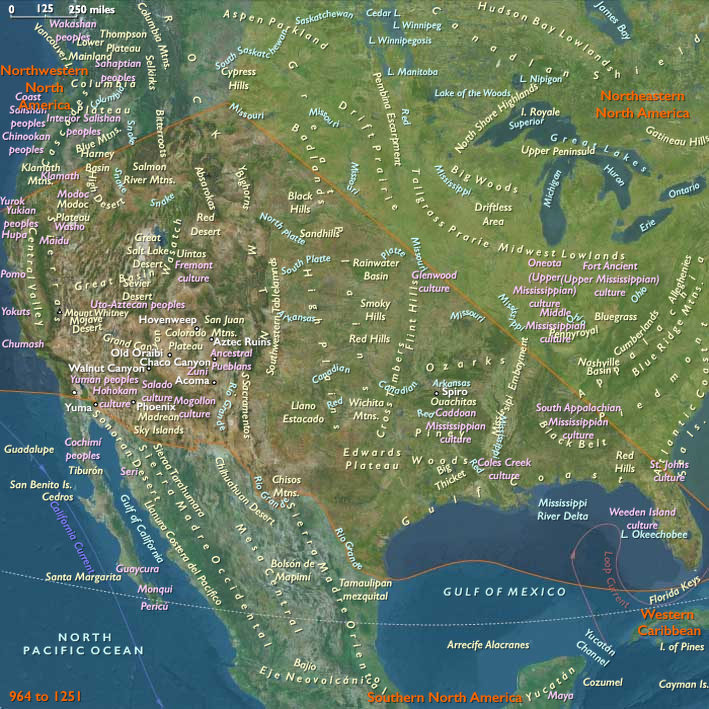
The many settlement sites scattered throughout the Wuptaki National Monument are built by the Ancient Pueblo People, more specifically the Sinagua, Cohonina, and Kayenta Anasazi.
The Sinagua are a pre-Columbian cultural group occupying an area in central Arizona between the Little Colorado River and the Salt River (between Flagstaff and Phoenix) including the Verde Valley and significant portions of the Mogollon Rim country between approximately 500 and 1425.
Early Sinagua sites consisted of pit houses roofed with branches of pine and juniper.
A major population influx had begun soon after the eruption of Sunset Crater, which had blanketed the area with a thin layer volcanic ash around 1085; this improves agricultural productivity and the soil's ability to retain water.
The inhabitants will construct hundreds of masonry structures on cliffs overlooking the Little Colorado River and the Painted Desert, in northern Arizona, eighteen miles (thirty kilometers) northeast of modern Flagstaff.
The largest and most elaborate of the structures, given the name Wupatki, which means "Tall House" in the Hopi language, is a three-story red sandstone structure of more than one hundred rooms.
Constructed near one of the few springs in the area, it overlooks a circular masonry amphitheater as well as a ceremonial ball court (one of the largest ever found outside of Mexico).
Locations
Groups
Topics
Commodoties
Subjects
Regions
Subregions
Years: 1108 - 1119
Locations
Groups
Topics
Commodoties
Subjects
Regions
Subregions