
The Manchus have very badly defeated the …
Years: 1626 - 1626
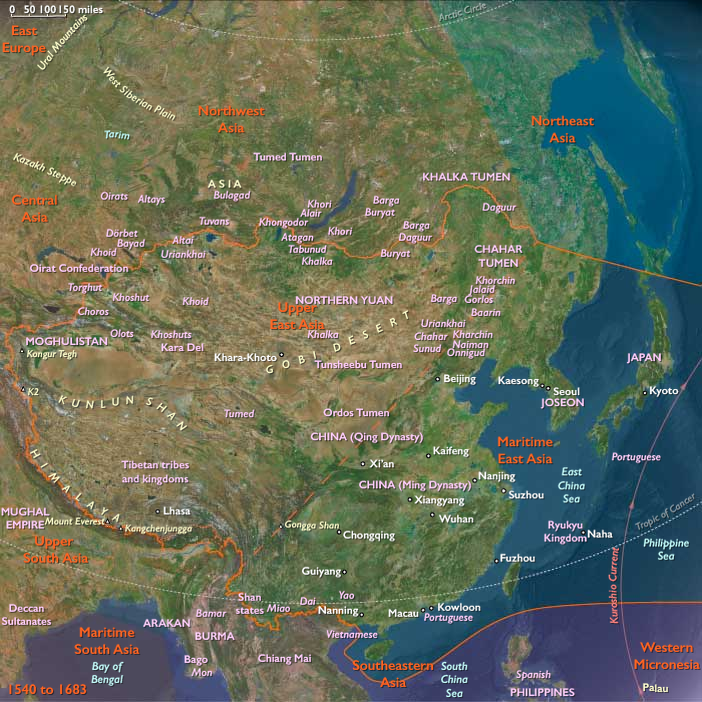
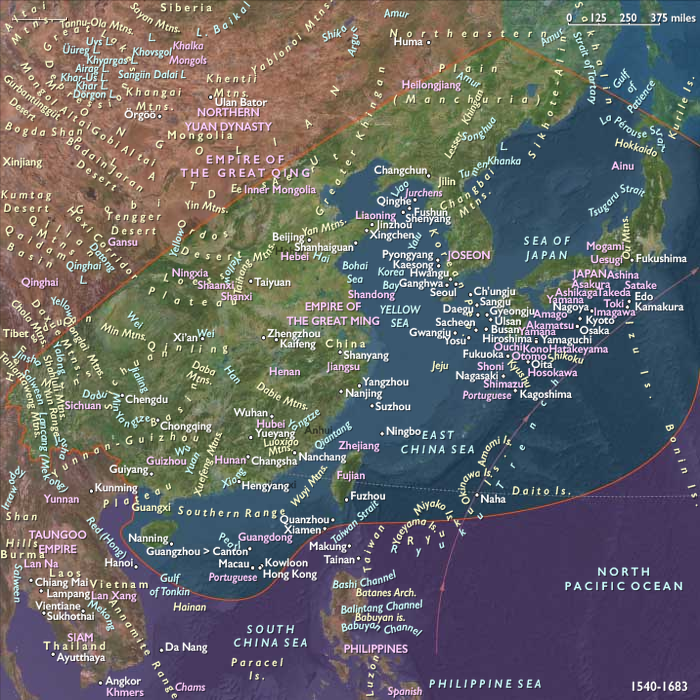
The Manchus have very badly defeated the Imperial Ming army.
Part of the Ming army's new strategy of defense is to develop Ningyuan into a military stronghold.
Ming commander Yuan Chonghuan, with the support of the able Commander-in-Chief Sun Chengzong, has seriously strengthened the defense of Ningyuan in anticipation of a Manchu attack.
After the elderly Sun Chengzong, who has refused to bribe the Emperor's eunuch, is replaced by a new commander, his replacement orders all Ming Forces outside the Great Wall to retreat inside and abandon all land outside Shanhai Pass.
Yuan Chonghuan objects strongly and is thus left to command a lone army guarding Ningyuan (modern-day Xingcheng, Liaoning).
Kundulun Khan Nurhaci, seeing all Ming forces leaving, decides in 1626 to advance towards Ningyuan, personally leading a force of at least sixty thousand, and possibly as many as one hundred thousand to three hundred thousand troops.
Yuan Chonghuan, with only ten thousand men under his command, burns everything outside Ningyuan and writes an essay of defiance against Jin in his own blood; he also sends orders to guards at the Great Wall to execute any deserters from Ningyuan, thus greatly boosting the city's morale.
The Jin army arrives after a twenty-day march and immediately attacks the city, but Yuan Chonghuan successfully holds Ningyuan with the newly mounted and modified "red-barbarian cannon".
The citizens and soldiers of Ningyuan, in two days of intense fighting, inflict heavy losses on the Jin forces.
Nurhaci himself is wounded by cannon fire and decides to retreat.
Yuan is said to have studied every aspect of the cannon for it to fire accurately at the position he wanted, and this is the reason why Nurhaci, even though well protected by his elite guards in a relatively safe position, had been wounded.
After the battle, Yuan reportedly sent letters to ask the well-being of Nurhaci, as is the custom among Chinese generals, but Nurhaci returns only insult, calling Yuan a faker.
As a result of the first battle of Ningyuan, the Imperial Court at Beijing had appointed Yuan as the Governor of Liaodong on February 27, 1626, with full authority to handle all forces outside the passes.
Locations
People
Groups
Topics
Commodoties
Subjects
Regions
Subregions
Years: 1626 - 1626
Locations
People
Groups
Topics
Commodoties
Subjects
Regions
Subregions