
The Magyar Invasion of West Francia (926): …
Years: 926 - 926
The Magyar Invasion of West Francia (926): The Unchecked Devastation
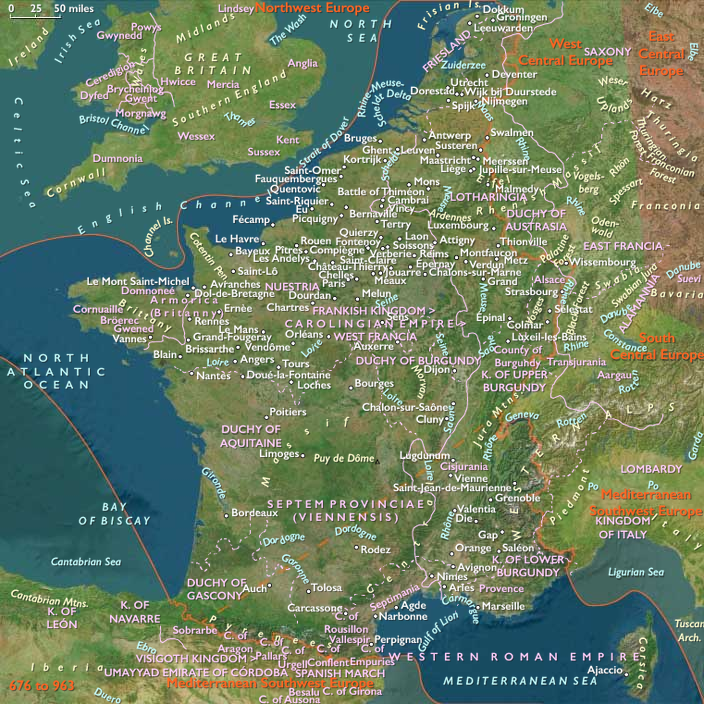
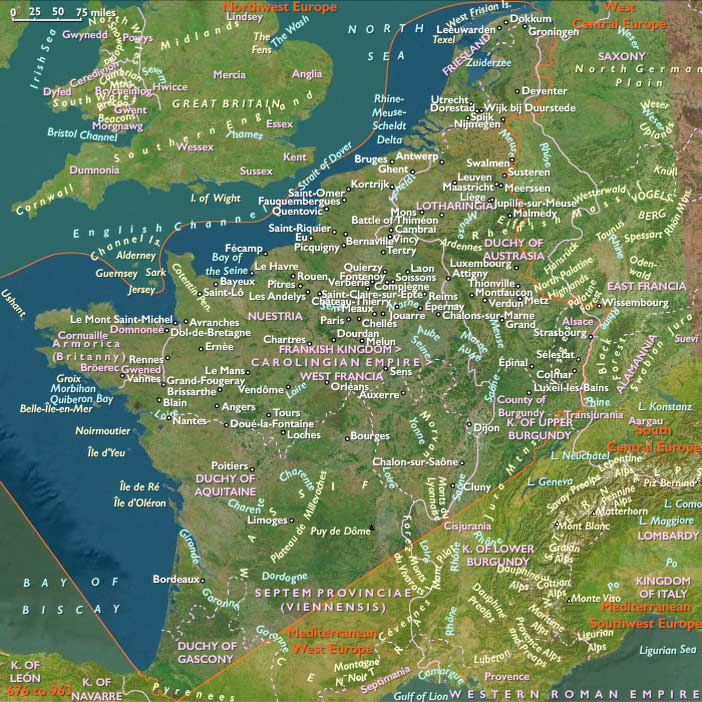
In 926, the Magyars, having already terrorized East Francia and Italy, launch a devastating foray into West Francia, encountering no significant resistance as they pillage deep into the heart of the kingdom, even endangering Reims, one of the most important religious and political centers of West Francia.
Context: The Magyar Threat in Europe
- Since the late 9th century, the Magyars, a nomadic horse-riding people from the Hungarian plains, had become the dominant raiding force in Central and Western Europe.
- Their campaigns into East Francia, Bavaria, and Italy had already weakened the Carolingian successor states, and their raids were becoming increasingly daring.
- Unlike the Vikings, who used ships and riverways, the Magyars specialized in fast-moving cavalry raids, making them even harder to intercept.
The Magyar Raid of 926: A Devastating Attack on West Francia
- The Magyars enter West Francia unopposed, taking advantage of the political instability following the death of Robert I (923) and the contested rule of Rudolph of Burgundy.
- Their forces plunder towns, monasteries, and settlements, moving deep into the kingdom.
- They threaten Reims, a city of great religious and royal significance, as it was the traditional site of Frankish coronations.
- Unlike the Vikings, who often sought land or tribute, the Magyars focused solely on looting, capturing slaves and wealth before retreating.
Why Was There No Opposition?
- West Francia was politically fragmented, with King Rudolph struggling to consolidate power after his contested election in 923.
- The nobility was preoccupied with internal struggles, particularly against Viking incursions and local feudal revolts.
- There was no unified military response, as the feudal structure made it difficult to assemble a coordinated royal army in time to stop the Magyars.
Consequences of the Magyar Raid (926)
-
Exposes the Vulnerability of West Francia
- The fact that the Magyars reached Reims without resistance highlights the weakness of centralized royal authority.
- Feudal lords become even more independent, as they realize they cannot rely on the king for protection.
-
Encourages Future Raids
- Seeing little organized resistance, the Magyars continue raiding into Francia and Burgundy throughout the 930s.
- Their incursions will only be stopped after Otto I of Germany decisively defeats them at the Battle of Lechfeld in 955.
-
Further Weakens Carolingian Legitimacy
- The inability of the king to protect his realm leads to further discontent among the nobility, accelerating the shift toward localized rule.
- This contributes to the ongoing decline of Carolingian influence, paving the way for the eventual rise of Capetian rule in France.
Conclusion: A Sign of West Francia’s Decline
The Magyar raid of 926 demonstrates that West Francia is no longer capable of defending itself from external threats, as internal conflicts and feudal decentralization leave the kingdom vulnerable. Though the Magyars will eventually be stopped in Germany, their unchecked foray into Francia is a clear indicator of the kingdom’s continuing political fragmentation in the early 10th century.
Locations
People
- Arnulf I
- Charles the Simple
- Gilbert
- Henry the Fowler
- Herbert II
- Hugh the Black
- Hugh the Great
- Louis IV, King of Western Francia
- Louis the Blind
- Robert I of France
- Rollo of Normandy
- Rudolph of France
Groups
- Hungarian people
- Wessex, English Kingdom of
- Vikings
- Francia Occidentalis (West Francia, or France), Kingdom of
- Francia Orientalis (East Francia), Kingdom of
- Hungary, Principality of
- Lotharingia, Duchy of
Topics
Commodoties
Subjects
Regions
Subregions
Years: 926 - 926
Locations
People
- Arnulf I
- Charles the Simple
- Gilbert
- Henry the Fowler
- Herbert II
- Hugh the Black
- Hugh the Great
- Louis IV, King of Western Francia
- Louis the Blind
- Robert I of France
- Rollo of Normandy
- Rudolph of France
Groups
- Hungarian people
- Wessex, English Kingdom of
- Vikings
- Francia Occidentalis (West Francia, or France), Kingdom of
- Francia Orientalis (East Francia), Kingdom of
- Hungary, Principality of
- Lotharingia, Duchy of
Topics
Commodoties
Subjects
Regions
Subregions