
Filters:
The Lavish Manuscripts of Charles the Bald …
Years: 868 - 879
The Lavish Manuscripts of Charles the Bald (860s–870s): The Revival of Figurative Painting
During the 860s and 870s, a series of extraordinarily decorated manuscripts were commissioned by Charles the Bald, grandson of Charlemagne, from an unidentified scriptorium. These manuscripts mark a high point of Carolingian art, as their artists:
- Freely borrow from Late Antique, Byzantine, Insular, and Italian artistic traditions, creating a richly eclectic style.
- Reintroduce figurative painting and pictorial narrative to northern Europe, bridging the gap between the classical world and the medieval age.
- Use elaborate gold and silver leaf, combined with vivid colors and intricate calligraphy, to produce some of the most luxurious manuscripts of the early medieval period.
Stylistic Influences
- Late Antiquity → Borrowing from Roman imperial art, these manuscripts feature illusionistic depth, naturalistic drapery, and architectural framing, reviving pictorial realism.
- Byzantine Art → The use of gold backgrounds, stylized figures, and elaborate decoration echoes Byzantine icon painting and mosaics.
- Insular Traditions (British Isles) → The intricate interlace patterns, ornamental initials, and carpet pagesreflect influences from Northumbrian and Irish monasteries.
- Italian Renaissance Precursors → Elements of early Carolingian classicism, inspired by manuscripts preserved in Rome and Ravenna, help bridge Late Antiquity and medieval book illumination.
Key Manuscripts from the 860s–870s
- Codex Aureus of St. Emmeram (c. 870, Bayerische Staatsbibliothek, Munich) → Featuring a gold and gem-encrusted cover, it exemplifies the opulence of Carolingian manuscript art.
- Vivian Bible (c. 846, Bibliothèque nationale de France, Paris) → A grand, illuminated Bible presented to Charles the Bald at Tours, with narrative biblical imagery.
- Psalter of Charles the Bald (c. 860, Bibliothèque nationale de France, Paris) → A richly illustrated psalter with classical figures and detailed architectural settings.
- Lothair Crystal (9th century, British Museum, London) → While not a manuscript, this carved rock crystal disk commissioned in the Carolingian court exemplifies the visual storytelling techniques seen in manuscripts.
Impact on European Art
- These manuscripts redefine book illumination, merging northern European, Byzantine, and Roman influences into a new visual language.
- The artistic innovations of Charles the Bald’s court influence the Ottonian and Romanesque manuscript traditions, ensuring the continuation of pictorial narrative and classical imagery in later medieval Europe.
- They help establish Charles the Bald’s court as a leading center of cultural patronage, reinforcing Carolingian authority through artistic grandeur.
The manuscripts of the 860s and 870s commissioned by Charles the Bald represent a culmination of Carolingian artistic achievement, reviving figurative painting and setting the stage for the flourishing of medieval manuscript illumination in the centuries to come.
People
Groups
- Christianity, Chalcedonian
- Greeks, Medieval (Byzantines)
- Italy, Carolingian Kingdom of
- Frankish, or Carolingian (Roman) Empire
- Francia Occidentalis (West Francia, or France), Kingdom of
- Roman Empire, Eastern: Macedonian dynasty
Topics
Subjects
Regions
Subregions
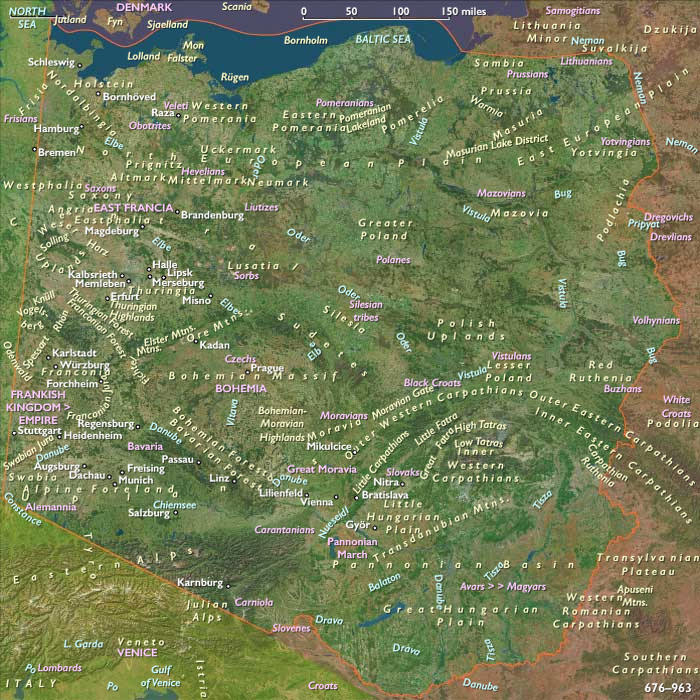
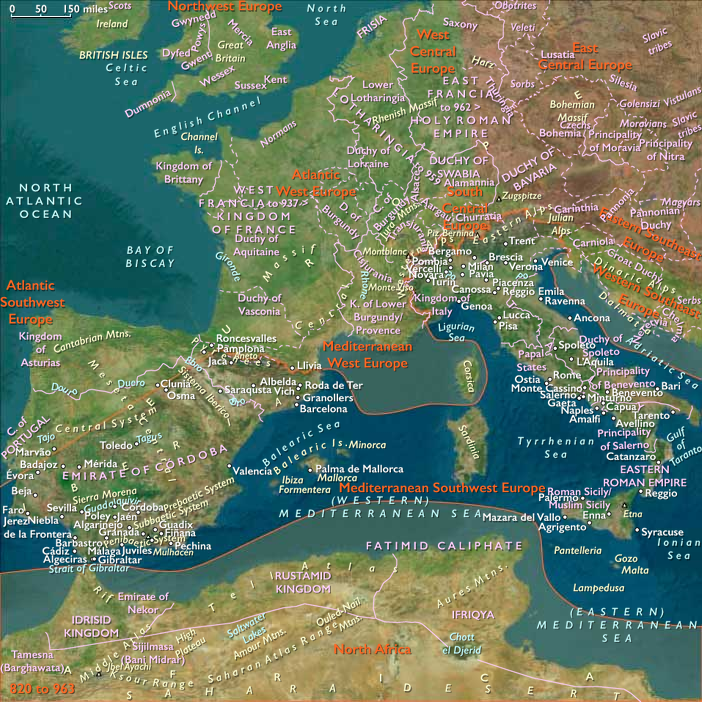
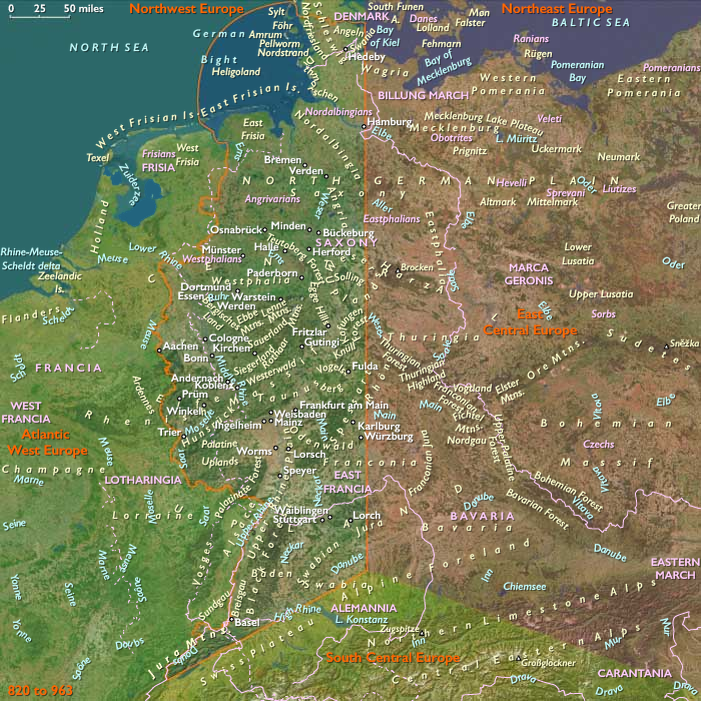
- East Central Europe
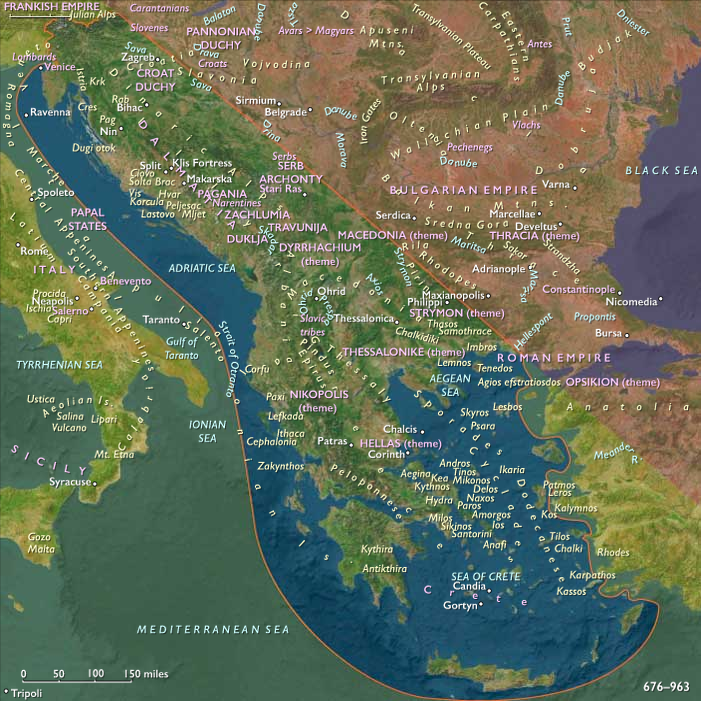
- Western Southeast Europe
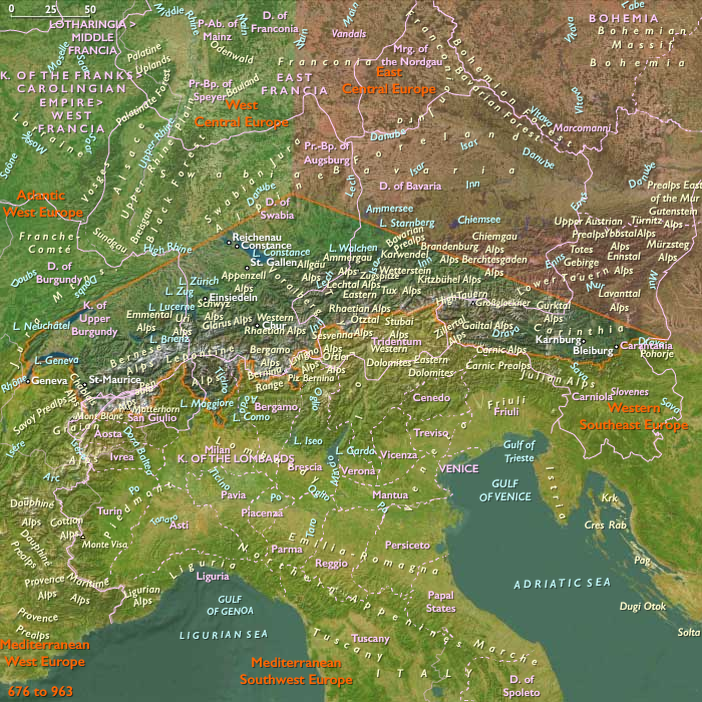
- South Central Europe
- Mediterranean West Europe
- Mediterranean Southwest Europe
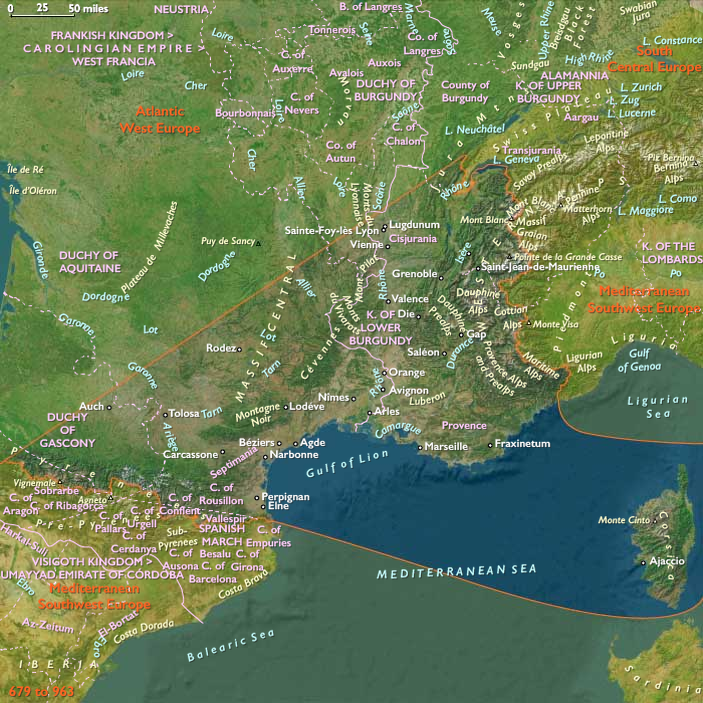
- Atlantic West Europe
- West Central Europe

Years: 868 - 879
People
Groups
- Christianity, Chalcedonian
- Greeks, Medieval (Byzantines)
- Italy, Carolingian Kingdom of
- Frankish, or Carolingian (Roman) Empire
- Francia Occidentalis (West Francia, or France), Kingdom of
- Roman Empire, Eastern: Macedonian dynasty
Topics
Subjects
Regions
Subregions
- East Central Europe
- Western Southeast Europe
- South Central Europe
- Mediterranean West Europe
- Mediterranean Southwest Europe
- Atlantic West Europe
- West Central Europe