
The Long Parliament, which has religious concerns …
Years: 1641 - 1641
February
The Long Parliament, which has religious concerns similar to those of the Scots, refuses to vote for new taxes to pay for raising an army.
Charles therefore starts negotiations with Irish Catholic gentry to recruit an Irish army to put down the rebellion in Scotland, in return for the concession of Irish Catholics' longstanding requests for religion toleration and land security.
To the Scots and the English Parliaments, this appears to confirm that Charles is a tyrant, who wants to impose Catholicism on his kingdoms, and to govern again without reference to his Parliaments as he had done in 1628–1640.
Some Scots and Parliamentarians during the early part of 1641, seven propose invading Ireland and subduing organized Catholicism there, to ensure that no royalist Irish Catholic army would land in England or Scotland.
A small group of Irish Catholic landowners, frightened by this, and wanting to seize the opportunity, conceive a plan to take Dublin Castle and to control other important towns around the country in a quick coup in the name of the King, both to forestall a possible invasion and to force him to concede the Catholics' demands.
Also, Charles' failure to defeat the Scots and the pressure he and his ministers have been under from the "Short" and "Long" English parliaments in 1640–41, make him appear weak and make it appear it much more likely that a rebellion would be successful.
Locations
People
Groups
- Christians, Roman Catholic
- Scotland, Kingdom of
- Anglicans (Episcopal Church of England)
- Ireland, (English) Kingdom of
- Presbyterians
- England, (Stuart) Kingdom of
- Confederate Ireland (Irish Catholic Confederation [Confederation of Kilkenny])
Topics
Commodoties
Subjects
Regions
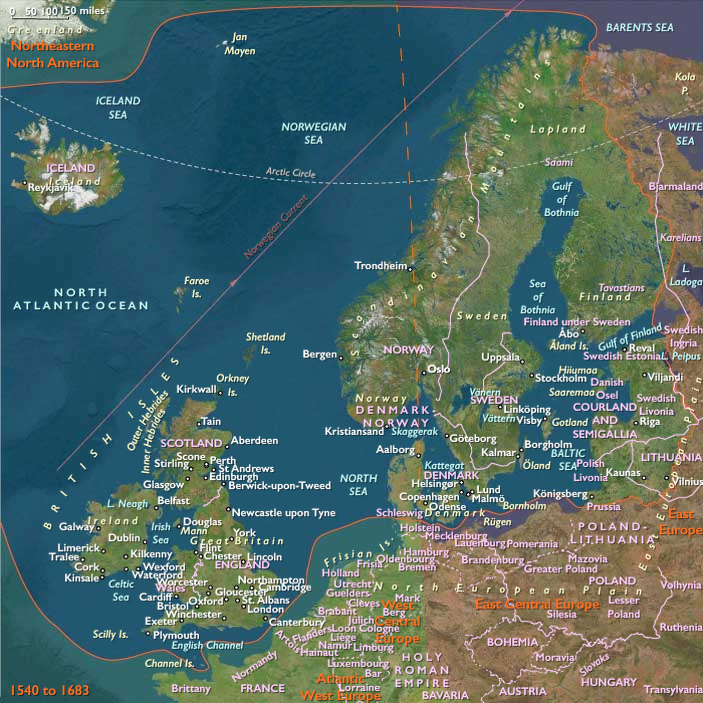
Subregions
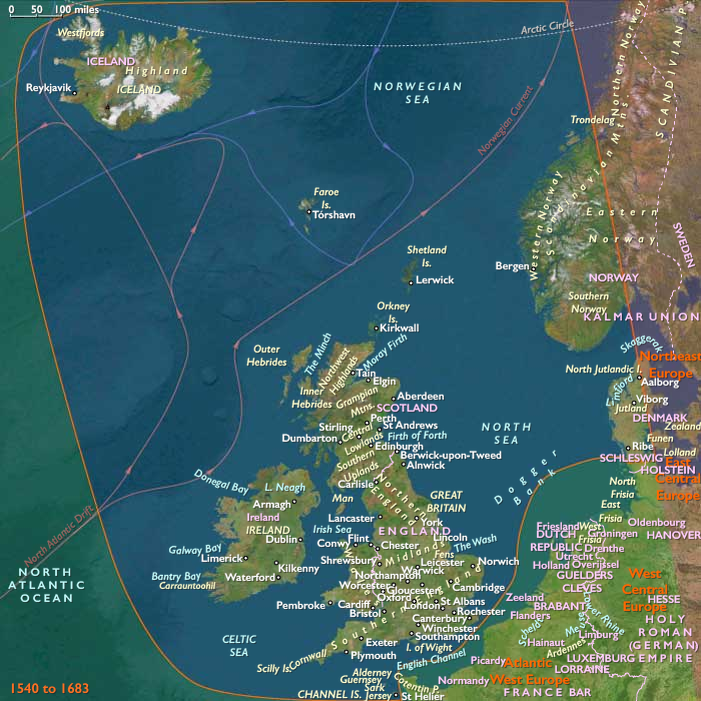
Years: 1641 - 1641
February
Locations
People
Groups
- Christians, Roman Catholic
- Scotland, Kingdom of
- Anglicans (Episcopal Church of England)
- Ireland, (English) Kingdom of
- Presbyterians
- England, (Stuart) Kingdom of
- Confederate Ireland (Irish Catholic Confederation [Confederation of Kilkenny])
Topics
Commodoties
Subjects
Regions
Subregions