John of Montecorvino, a Franciscan, is the founder of the earliest Roman Catholic missions in India and China, becoming archbishop of Beijing and patriarch of the Orient.
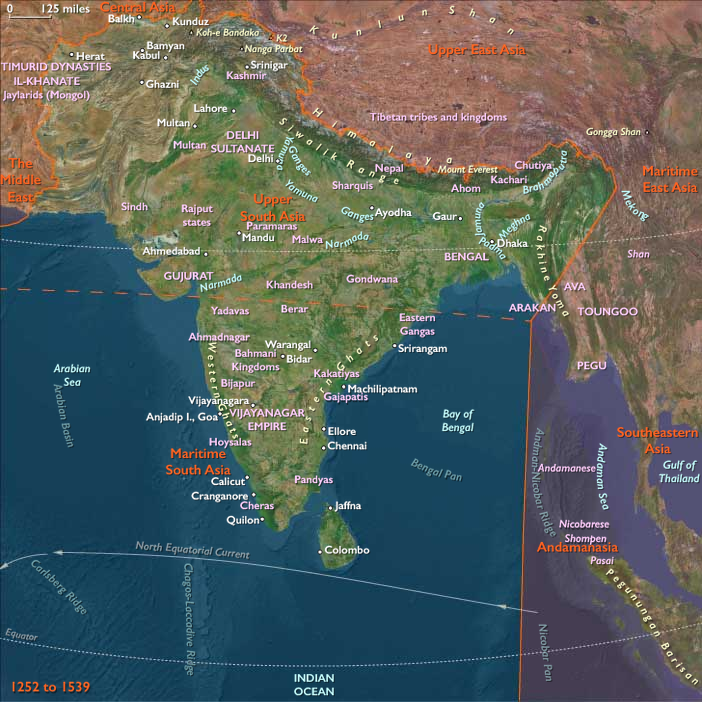
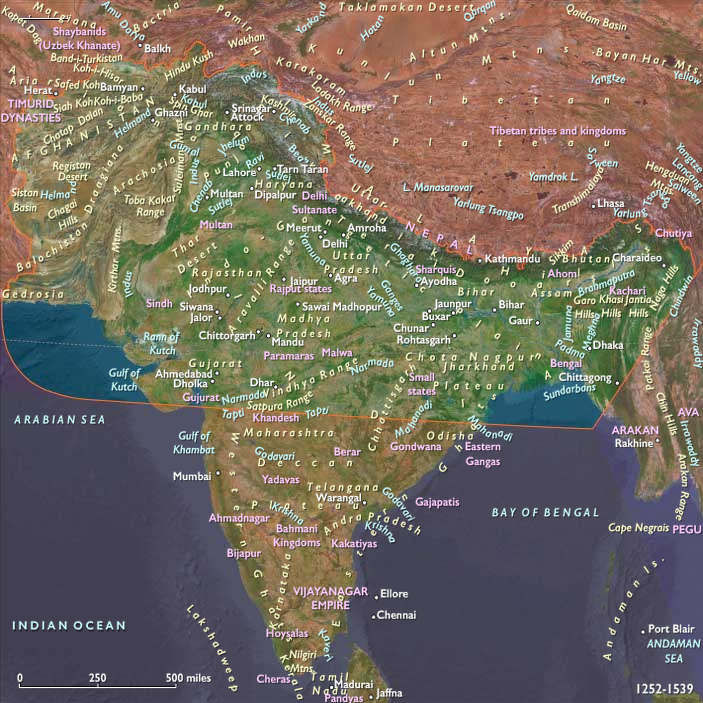
Traveling by sea from Nestorian Meliapur in Bengal, he had reached China in 1294, appearing in the capital "Cambaliech" (now Beijing), only to find that Kúblaí Khan had just died, and Temür (1294-1307) had succeeded to the Mongol throne.
Though the latter apparently had not embraced Christianity, he had thrown no obstacles in the way of the zealous missionary, who soon won the confidence of the ruler in spite of the opposition of the Nestorians already settled there.
John had built a church at Khanbaliq in 1299 and in 1305 a second opposite the imperial palace, together with workshops and dwellings for two hundred persons.
He gradually bought from heathen parents about one hundred and fifty boys, from seven to eleven years of age, instructed them in Latin and Greek, wrote psalms and hymns for them and then trained them to serve Mass and sing in the choir.
At the same time he has familiarized himself with the native language, preached in it, and translated into Chinese the New Testament and the Psalms.
Among the six thousand converts of John of Montecorvino is a Nestorian Ongut prince named George, allegedly of the race of Prester John, a vassal of the great khan, mentioned by Marco Polo.
John had written letters of January 8, 1305, and February 13, 1306, describing the progress of the Roman mission in the Far East, in spite of Nestorian opposition; alluding to the Roman Catholic community he had founded in India, and to an appeal he had received to preach in "Ethiopia" and dealing with overland and sea routes to "Cathay," from the Black Sea and the Persian Gulf respectively.
After he had worked alone for eleven years, the German Franciscan Arnold of Cologne was sent to him (1304 or 1303) as his first colleague.
In 1307 Pope Clement V, highly pleased with the missionary's success, had sent seven Franciscan bishops who were commissioned to consecrate John of Montecorvino archbishop of Peking and summus archiepiscopus, 'chief archbishop' of all those countries; they are themselves to be his suffragan bishops.
Only three of these envoys arrive safely: Gerardus, Peregrinus and Andrew of Perugia.
They consecrate John in 1308 and succeed each other in the episcopal see of Zaiton, established by Montecorvino.