
The Chalisa famine of 1783–84 in South …
Years: 1784 - 1784
The Chalisa famine of 1783–84 in South Asia follows unusual El Niño events that began in 1780 and caused droughts throughout the region.
Chalisa (literally, "of the fortieth" in Hindustani) refers to the Vikram Samvat calendar year 1840 (1783).
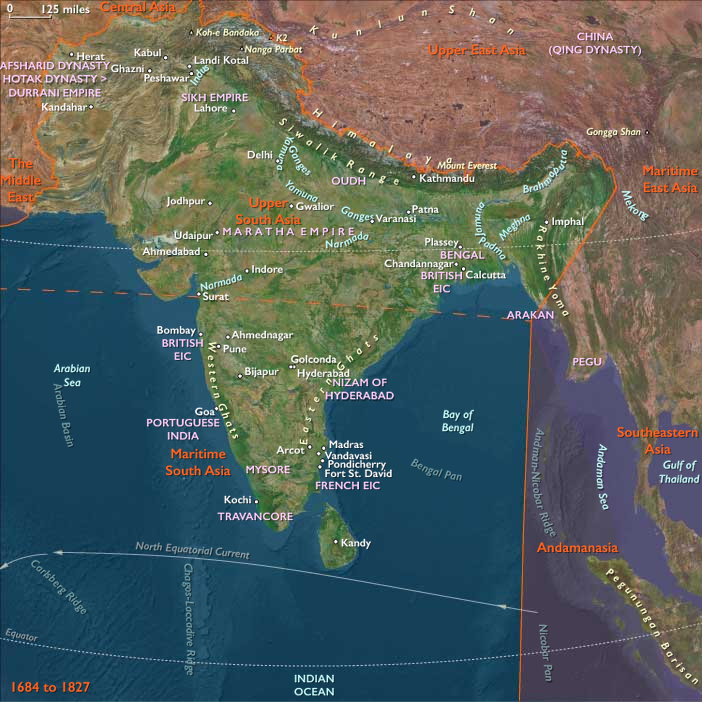
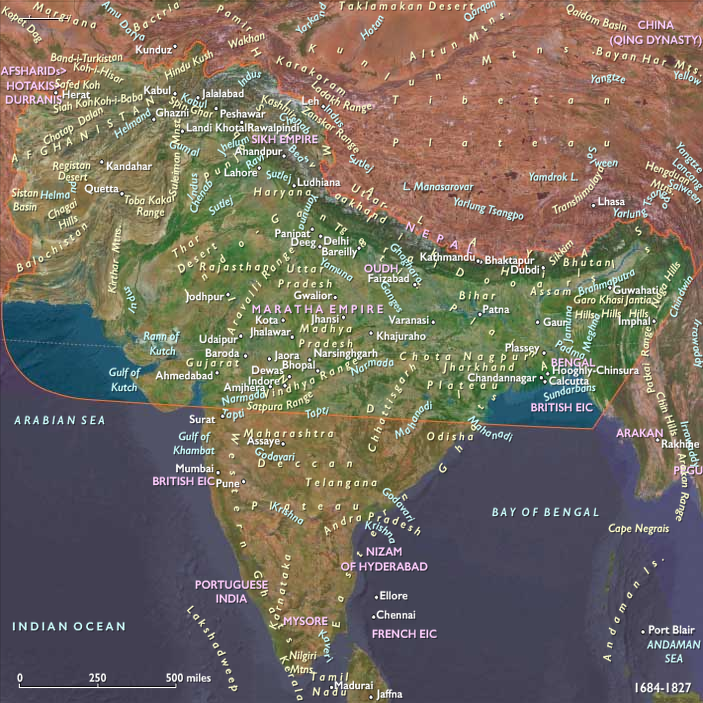
The famine affects many parts of North India, especially the Delhi territories, present-day Uttar Pradesh, Eastern Punjab, Rajputana, and Kashmir, then all ruled by different Indian rulers.
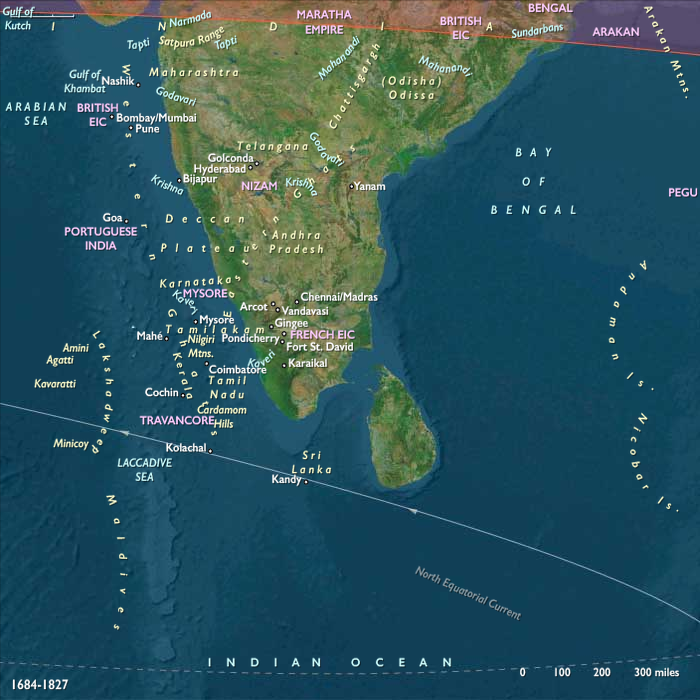
The Chalisa is preceded by a famine in the previous year, 1782–83, in South India, including Madras City and surrounding areas (under British East India Company rule) and in the extended Kingdom of Mysore (under the rule of Haider Ali and Tipu Sultan).
Together the two famines may have depopulated many regions of India, including, for example, seventeen per cent of the villages in the Sirkali region of present-day Tamil Nadu, sixty per cent of the villages in the middle Doab of present-day Uttar Pradesh, and over thirty per cent of the villages in the regions around Delhi.
It is thought that up to eleven million people may have died in the two famines.
Chalisa (literally, "of the fortieth" in Hindustani) refers to the Vikram Samvat calendar year 1840 (1783).
The famine affects many parts of North India, especially the Delhi territories, present-day Uttar Pradesh, Eastern Punjab, Rajputana, and Kashmir, then all ruled by different Indian rulers.
The Chalisa is preceded by a famine in the previous year, 1782–83, in South India, including Madras City and surrounding areas (under British East India Company rule) and in the extended Kingdom of Mysore (under the rule of Haider Ali and Tipu Sultan).
Together the two famines may have depopulated many regions of India, including, for example, seventeen per cent of the villages in the Sirkali region of present-day Tamil Nadu, sixty per cent of the villages in the middle Doab of present-day Uttar Pradesh, and over thirty per cent of the villages in the regions around Delhi.
It is thought that up to eleven million people may have died in the two famines.
Groups
Topics
Subjects
Regions
Subregions
Related Events
Showing 10 events out of 24701 total
Years: 1784 - 1784
Groups
Topics
Subjects
Regions
Subregions