
The Kyōhō reforms are an array of …
Years: 1736 - 1736
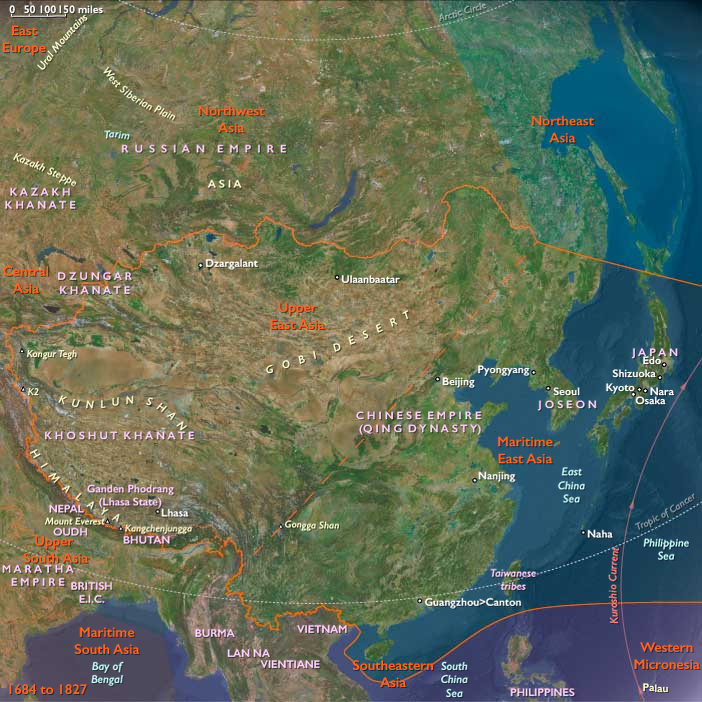
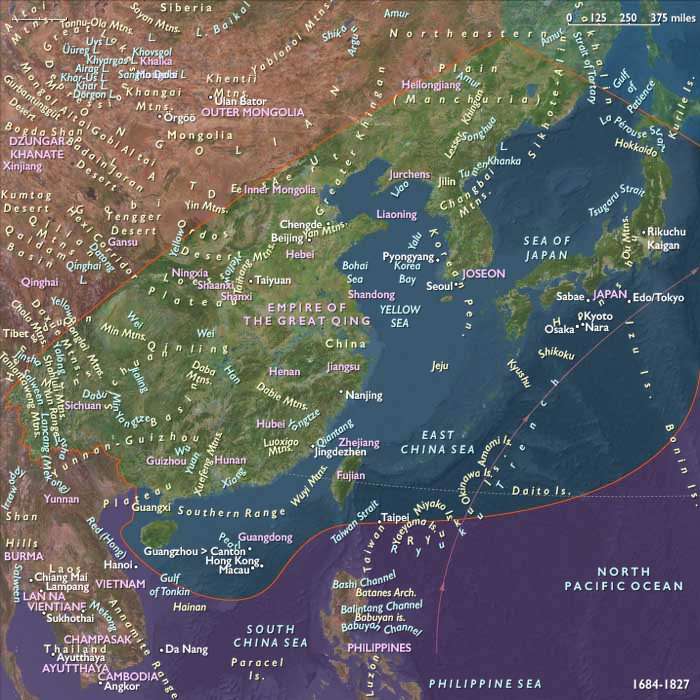
The Kyōhō reforms are an array of economic policies introduced by the Tokugawa Shogunate in 1736 Japan.
Instigated by the eighth Tokugawa shogun of Japan, Tokugawa Yoshimune, the reforms, which are to encompass the first twenty years of his shogunate, are aimed at making the shogunate financially solvent.
Because of the tensions between Confucian ideology and the economic reality of Tokugawa Japan (Confucian principles that money is defiling vs. the necessity for a cash economy), Yoshimune finds it necessary to shelve certain Confucian principles that are hampering his reform process.
The Kyoho reforms include an emphasis on frugality, as well as the formation of merchant guilds that allow greater control and taxation.
Alternate attendance (sankin kōtai) rules are relaxed, and the ban on western books (minus those relating or referring to Christianity) is lifted.
Locations
People
Groups
Subjects
Regions
Subregions
Years: 1736 - 1736
Locations
People
Groups
Subjects
Regions
Subregions