Central Asia (100–243 CE): Kushan Zenith, Silk Road Prosperity, and Cultural Brilliance
From 100 to 243 CE, Central Asia—covering modern-day Kazakhstan, Kyrgyzstan, Uzbekistan, Tajikistan, and Turkmenistan—experienced the peak of the Kushan Empire, significant economic prosperity fueled by Silk Road commerce, and vibrant cultural achievements, particularly in art, religion, and intellectual life.
Political and Military Developments
Kushan Empire at its Height (100–180 CE)
-
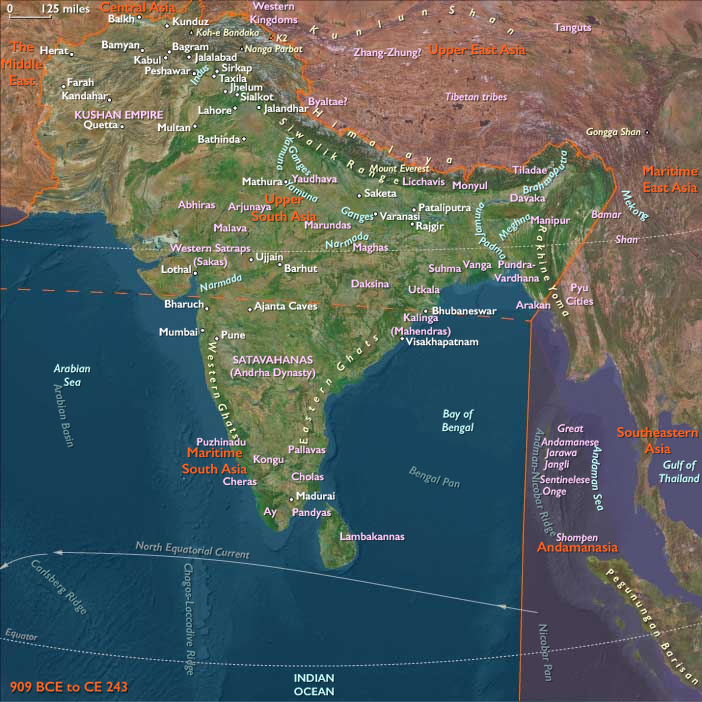
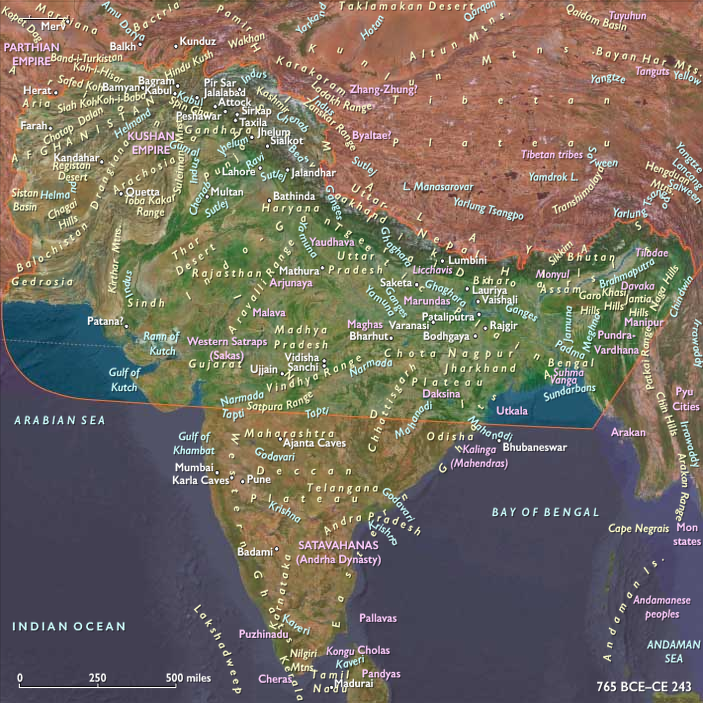
The Kushan Empire reached its zenith under Kanishka the Great (c. 127–150 CE), one of the most renowned Kushan emperors, whose dominion stretched from Uzbekistan and Tajikistan through northern India and Pakistan.
-
Under Kanishka, the Kushans maintained diplomatic and commercial relationships with Rome, Han China, and the Parthian Empire, ensuring political stability and economic prosperity along the Silk Road.
Nomadic Pressures and Regional Stability (181–243 CE)
-
After Kanishka, Kushan power gradually declined under his successors due to internal challenges, nomadic incursions from the northern steppes, and rising regional independence movements in areas like Sogdiana and Bactria.
-
Increasing pressure from nomadic tribes, particularly the Xiongnu, Wusun, and early Turkic-speaking peoples, disrupted northern trade routes intermittently, challenging the Kushan hold over parts of Kazakhstan and Kyrgyzstan.
Economic Developments and Silk Road Prosperity
Silk Road as a Source of Wealth
-
The Silk Road reached unprecedented prosperity, with Central Asian cities—particularly Samarkand, Bukhara, Maracanda, Termez, and Merv—benefiting enormously from trade in silk, spices, gemstones, textiles, and other luxury goods.
-
Sogdian merchants, renowned as skilled middlemen, extended their trade networks deep into China, Persia, India, and even toward Rome, accumulating substantial wealth and fostering thriving urban economies.
Agricultural Development and Urban Expansion
-
Oasis-based agriculture flourished through sophisticated irrigation systems, especially in the fertile Ferghana Valley, around Samarkand, and along the Amu Darya and Syr Darya rivers, supporting the region’s dense urban populations.
-
Urban centers expanded significantly, becoming cosmopolitan hubs of international commerce and cultural exchange.
Cultural and Religious Developments
Kushan Patronage of Buddhism
-
Under Kanishka, Buddhism reached its pinnacle in Central Asia, becoming a dominant religion throughout Bactria (modern Afghanistan, Tajikistan, and Uzbekistan) and spreading significantly into China via the Silk Road.
-
Kanishka hosted the Fourth Buddhist Council (traditionally dated around 127 CE, though chronologies vary), which facilitated the development and spread of Mahayana Buddhism, significantly influencing Buddhist thought and art across Asia.
Artistic Flourishing: The Gandhara and Mathura Schools
-
Central Asian culture flourished with artistic achievements blending Hellenistic, Indian, and Iranian influences, notably in sculpture, painting, and coinage.
-
The distinctive Gandharan art, characterized by Greco-Buddhist fusion, spread extensively into Central Asian cities, leaving a lasting artistic legacy particularly in Uzbekistan and Tajikistan.
Religious Pluralism and Cultural Syncretism
-
Alongside Buddhism, Zoroastrianism, local Iranian cults, and emerging Christianity coexisted harmoniously, particularly in cities like Merv, Samarkand, and Termez, highlighting Central Asia’s remarkable religious diversity.
-
Syncretic religious practices became common, blending local shamanistic traditions with Buddhism, Zoroastrianism, and other faiths, creating uniquely Central Asian religious identities.
Social and Urban Developments
Cosmopolitan Cities and Cultural Exchange
-
Central Asian cities grew increasingly multicultural, attracting traders, monks, scholars, and artisans from Rome, Persia, India, China, and beyond, transforming places like Samarkand, Bukhara, and Merv into vibrant centers of intellectual exchange and cultural fusion.
-
Markets, caravanserais, and monasteries along the Silk Road facilitated extensive cross-cultural interactions, fostering enduring international links.
Nomadic and Sedentary Interactions
-
Relationships between settled urban populations and nomadic steppe tribes continued to shape Central Asian society. Nomadic groups, while often disruptive, significantly influenced urban political structures, cultural practices, and economic life through both trade and conflict.
Long-Term Consequences and Historical Significance
The period from 100 to 243 CE represented a pinnacle of Central Asian power, prosperity, and cultural influence under the Kushan Empire. Its strategic role at the crossroads of Eurasia facilitated extensive economic growth through Silk Road commerce, enhancing the region’s global significance. Culturally, the era left profound legacies, particularly through Buddhism’s spread into East Asia, enduring artistic traditions, and the robust multiculturalism that shaped Central Asian identity.
By 243 CE, though the Kushan Empire’s political dominance began to wane, the cultural, religious, and economic frameworks established during this period ensured Central Asia’s continuing importance as a major Eurasian crossroads for centuries to come.