
The knights march southward into Samogitia, raiding …
Years: 1236 - 1236
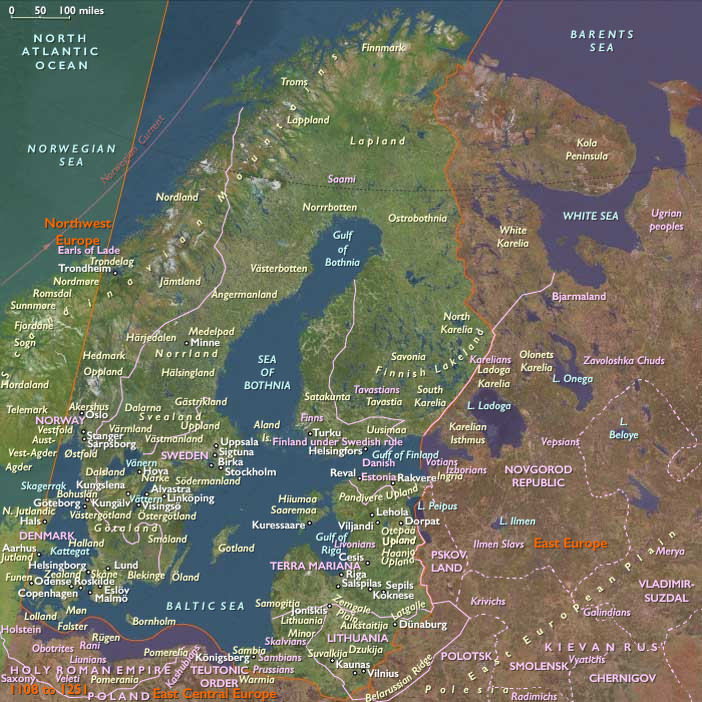
The knights march southward into Samogitia, raiding and plundering local settlements, giving the locals only a few days to gather troops for defense.
On the knights' northward return, however, they encounter a determined group of Samogitians at a river crossing.
Unwilling to risk losing their horses in the swampland, the Holsteiners refuses to fight on foot, forcing the knights to camp for the night.
The next morning, on the day of Saint Maurice, the main pagan forces, likely led by Duke Vykintas, arrive at the camp.
The Lithuanian light cavalry fling javelins at short range, which are highly effective against the unwieldy Livonian heavy cavalry.
The swampy terrain is advantageous for the lightly armed pagans.
The slaughter of the Christian troops, including Volkwin, sows seeds of confusion in the Livonian ranks.
The lightly armed native forces under the command of the Brothers soon flee from the battle.
Those crusaders and knights who try to flee to Riga are allegedly killed by the Semigallians.
Locations
People
Groups
- Polytheism (“paganism”)
- Prussians, Old, or Baltic (Western Balts)
- Samogitians, or Lowland Lithuanians (Eastern Balts)
- Semigallians (Eastern Balts)
- Latgalians (Eastern Balts)
- Estonians
- Livs
- Balts
- Papal States (Republic of St. Peter)
- Holstein, County of
- Pskov, Principality of (Pskov Republic)
- Holy Roman Empire
- Christians, Roman Catholic
- Teutonic Knights of Acre (House of the Hospitalers of Saint Mary of the Teutons in Jerusalem)
- Terra Mariana (Livonian Confederation)
Topics
Commodoties
Subjects
Regions
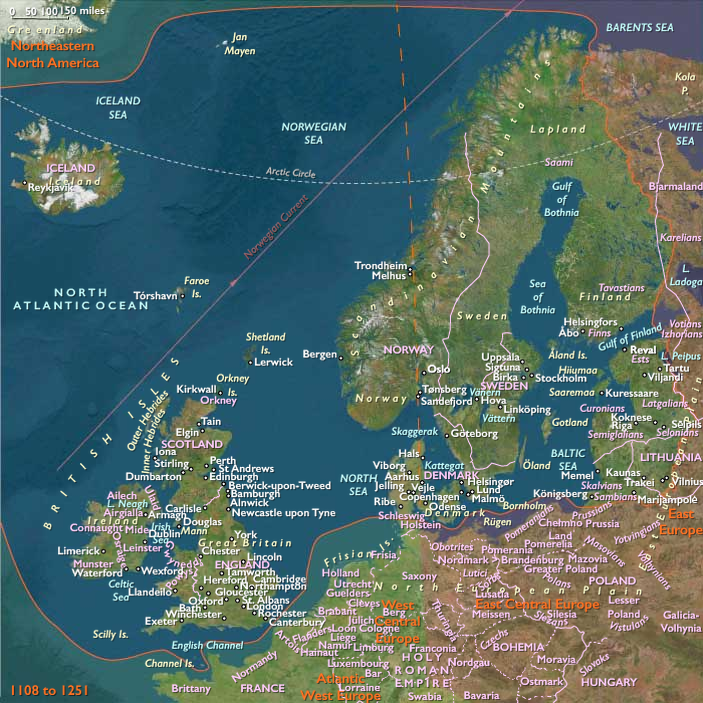
Subregions
Years: 1236 - 1236
Locations
People
Groups
- Polytheism (“paganism”)
- Prussians, Old, or Baltic (Western Balts)
- Samogitians, or Lowland Lithuanians (Eastern Balts)
- Semigallians (Eastern Balts)
- Latgalians (Eastern Balts)
- Estonians
- Livs
- Balts
- Papal States (Republic of St. Peter)
- Holstein, County of
- Pskov, Principality of (Pskov Republic)
- Holy Roman Empire
- Christians, Roman Catholic
- Teutonic Knights of Acre (House of the Hospitalers of Saint Mary of the Teutons in Jerusalem)
- Terra Mariana (Livonian Confederation)
Topics
Commodoties
Subjects
Regions
Subregions