The Schoolhouse Blizzard hits the territories of …
Years: 1888 - 1888
January
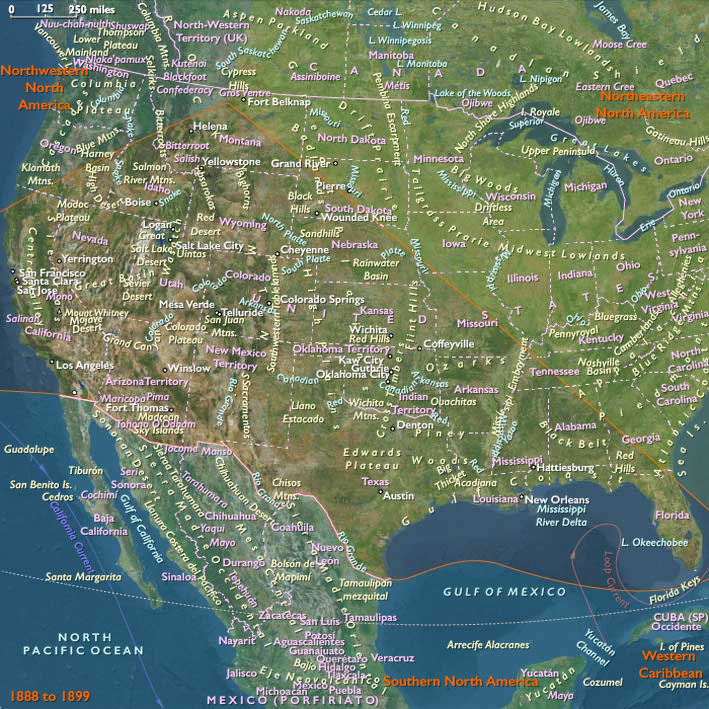
The Schoolhouse Blizzard hits the territories of Montana and Dakota and the states of Minnesota, Nebraska, Kansas, and Texas, on January 12, 1888, leaving two hundred and thirty-five dead, many of them children on their way home from school.
The blizzard had been preceded by a snowstorm on January 5th and 6th, which had dropped snow on the northern and central plains, and was followed by an outbreak of brutally cold temperatures from January 7th to 11th.
The weather prediction for the day was issued by the Weather Bureau, which at the time was managed by Adolphus Greely; it said: "A cold wave is indicated for Dakota and Nebraska tonight and tomorrow; the snow will drift heavily today and tomorrow in Dakota, Nebraska, Minnesota and Wisconsin."
On January 11, a strengthening surface low dropped south-southeastward out of Alberta, Canada into central Montana and then into northeastern Colorado by the morning of January 12.
The temperatures in advance of the low increased some 20–40 degrees in the central plains (for example, Omaha, Nebraska recorded a temperature of −6 °F (−21 °C) at 7 a.m. on January 11, while the temperature had increased to 28 °F (−2 °C) by 7 a.m. on January 12).
The strong surface low rapidly moved into southeastern Nebraska by 3 p.m. on January 12 and finally into southwestern Wisconsin by 11 p.m. that same day.
On January 11, the massive cold air mass that had formed around January 8 around Medicine Hat, Alberta and Qu'Appelle, Saskatchewan, had reached a spread of over 780 miles.
The blizzard is precipitated by the collision of an immense Arctic cold front with warm moisture-laden air from the Gulf of Mexico.
Within a few hours, the advancing cold front causes a temperature drop from a few degrees above freezing to −20 degrees Fahrenheit (-29 degrees Celsius) [−40 °F (−40 °C) in some places].
This wave of cold is accompanied by high winds and heavy snow.
The fast-moving storm first strikes Montana in the early hours of January 12, sweeps through Dakota Territory from midmorning to early afternoon, and reaches Lincoln, Nebraska at 3 p.m.
Many who are caught unaware had misjudged the weather due to a warm spell.
What makes the storm so deadly is the timing (during work and school hours), the suddenness of the storm, and the brief spell of warmer weather that preceded it.
In addition, the very strong wind fields behind the cold front and the powdery nature of the snow reduce visibilities on the open plains to zero.
People venture from the safety of their homes to do chores, go to town, attend school, or simply enjoy the relative warmth of the day.
As a result, thousands of people—including many schoolchildren—get caught in the blizzard.
The death toll is two hundred and thirty-five.
Teachers generally keep children in their schoolrooms.
Exceptions nearly always result n disaster.
Travel will be severely impeded in the days following.
Two months later, yet another severe blizzard will hit the East Coast states: this blizzard will be known as the Great Blizzard of 1888.
It will severely affect the east coast, in states like New York and Massachusetts.
The blizzard had been preceded by a snowstorm on January 5th and 6th, which had dropped snow on the northern and central plains, and was followed by an outbreak of brutally cold temperatures from January 7th to 11th.
The weather prediction for the day was issued by the Weather Bureau, which at the time was managed by Adolphus Greely; it said: "A cold wave is indicated for Dakota and Nebraska tonight and tomorrow; the snow will drift heavily today and tomorrow in Dakota, Nebraska, Minnesota and Wisconsin."
On January 11, a strengthening surface low dropped south-southeastward out of Alberta, Canada into central Montana and then into northeastern Colorado by the morning of January 12.
The temperatures in advance of the low increased some 20–40 degrees in the central plains (for example, Omaha, Nebraska recorded a temperature of −6 °F (−21 °C) at 7 a.m. on January 11, while the temperature had increased to 28 °F (−2 °C) by 7 a.m. on January 12).
The strong surface low rapidly moved into southeastern Nebraska by 3 p.m. on January 12 and finally into southwestern Wisconsin by 11 p.m. that same day.
On January 11, the massive cold air mass that had formed around January 8 around Medicine Hat, Alberta and Qu'Appelle, Saskatchewan, had reached a spread of over 780 miles.
The blizzard is precipitated by the collision of an immense Arctic cold front with warm moisture-laden air from the Gulf of Mexico.
Within a few hours, the advancing cold front causes a temperature drop from a few degrees above freezing to −20 degrees Fahrenheit (-29 degrees Celsius) [−40 °F (−40 °C) in some places].
This wave of cold is accompanied by high winds and heavy snow.
The fast-moving storm first strikes Montana in the early hours of January 12, sweeps through Dakota Territory from midmorning to early afternoon, and reaches Lincoln, Nebraska at 3 p.m.
Many who are caught unaware had misjudged the weather due to a warm spell.
What makes the storm so deadly is the timing (during work and school hours), the suddenness of the storm, and the brief spell of warmer weather that preceded it.
In addition, the very strong wind fields behind the cold front and the powdery nature of the snow reduce visibilities on the open plains to zero.
People venture from the safety of their homes to do chores, go to town, attend school, or simply enjoy the relative warmth of the day.
As a result, thousands of people—including many schoolchildren—get caught in the blizzard.
The death toll is two hundred and thirty-five.
Teachers generally keep children in their schoolrooms.
Exceptions nearly always result n disaster.
Travel will be severely impeded in the days following.
Two months later, yet another severe blizzard will hit the East Coast states: this blizzard will be known as the Great Blizzard of 1888.
It will severely affect the east coast, in states like New York and Massachusetts.
Related Events
Showing 10 events out of 10660 total
Years: 1888 - 1888
January
Groups
- United States of America (US, USA) (Washington DC)
- Texas, State of (U.S.A.)
- Minnesota, State of (U.S.A.)
- Kansas, State of (U.S.A.)
- Montana, Territory of (U.S.A.)
- Nebraska, State of (U.S.A.)
- Dakota, Territory of (U.S.A.)
Topics
Subjects
Regions
Subregions