
The Iron II culture of Hasanlu has …
Years: 801BCE - 790BCE
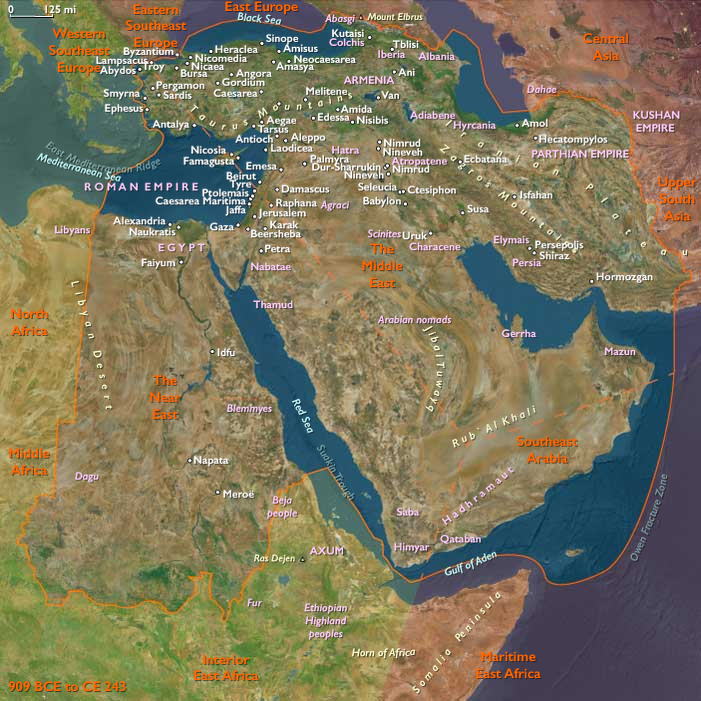
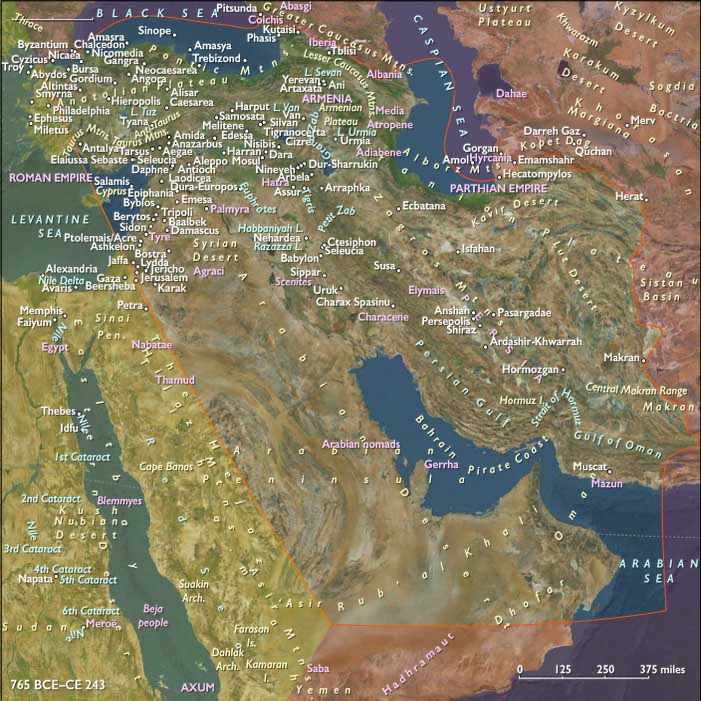
The Iron II culture of Hasanlu has close ties to Mesopotamia and northern Syria.
Some have suggested that this indicates the settlement had come under the control of a foreign power, or experienced an influx of new occupants, or perhaps made internal changes to its political system.
Raiding forces from, probably, Urartu ravage and burn the fortified settlement about 800, after which the site is abandoned.
Over one hundred and fifty human victims will be found by archaeologists where they had been slain.
Some victims were mutilated and distributions of other bodies and the wounds they received suggest mass executions.
Skeletal remains of twenty-one individuals—perhaps looters trapped in the fire—lie (for nearly twelve hundred years, until their discovery) among the debris of the burned citadel.
One skeleton still clutches a gold bowl adorned with mythical scenes in relief of religious worship.
The bowl, made from imported raw materials, is executed in a technique reminiscent of objects found near the Caspian Sea.
Its use of local stylistic elements combined with foreign motifs suggests that artisans at Hasanlu were exposed to imported objects and that its inhabitants actively engaged in trade.
Following Hasanlu's destruction, the High Mound is used as the site for an Urartian fortress.
A fortification wall with towers at regular intervals is constructed around the edges of the High Mound.
Locations
Groups
Topics
Subjects
Regions
Subregions
Related Events
Showing 10 events out of 66552 total
Years: 801BCE - 790BCE
Locations
Groups
Topics
Subjects
Regions
Subregions