
Filters:
The Siege of Pamplona Ends and the …
Years: 1512 - 1512
November
The Siege of Pamplona Ends and the Castilian Hold on Navarre Strengthens (Late 1512)
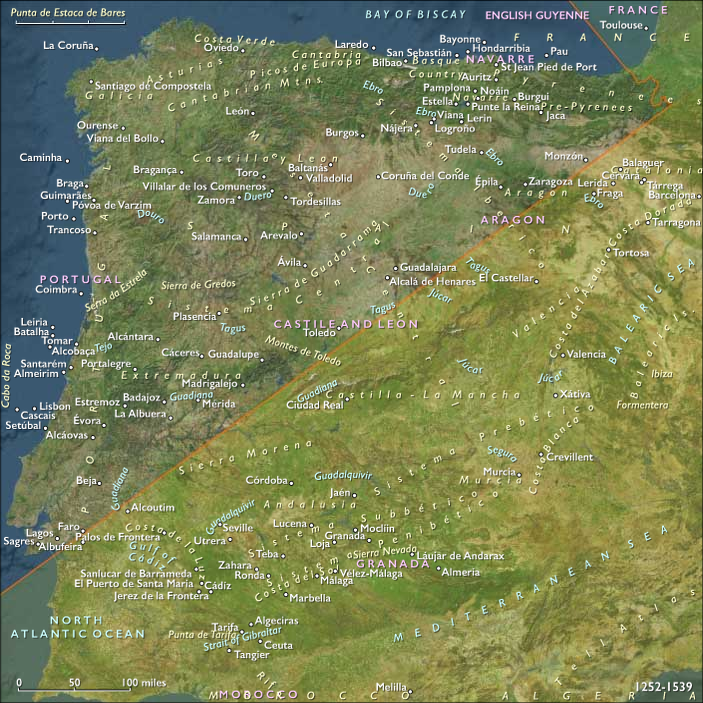
The investment of Pamplona by Navarrese loyalists and their French allies lasted for about a month, but as winter approached, the arrival of fresh Castilian reinforcements made it impossible to achieve a successful outcome. The siege was ultimately lifted, marking a decisive moment in the Castilian conquest of Navarre.
Reasons for the Loyalist Retreat
-
Oncoming Winter
- The harsh Pyrenean winter made it increasingly difficult for the besieging forces to maintain their supply lines.
- The cold and dwindling provisions weakened the morale of Navarrese and Gascon troops.
-
Arrival of Castilian Reinforcements
- Ferdinand II of Aragon sent additional troops from Castile, strengthening the defensive garrison of Pamplona.
- This tipped the balance in favor of the Castilian defenders, making a successful assault unrealistic.
-
Navarrese and French Tactical Withdrawal
- Seeing the impossibility of continuing the siege, Navarrese forces retreated to regroup.
- The Castilians reasserted their hold over Upper Navarre, while focusing efforts on maintaining their grip on Lower Navarre.
Castilian Forces Move into Lower Navarre
- After securing Pamplona, Castilian troops moved north across the Pyrenees, returning to St-Jean-Pied-de-Port and Lower Navarre (Ultrapuertos, Deça-Ports).
- While they maintained control over these positions, they faced ongoing resistance.
Skirmishes in Lower Navarre: Resistance from the Lord of Luxe (Lukuze)
- The disgruntled Beaumont party’s lord of Luxe (Lukuze) launched regular attacks on Castilian forcesstationed in Lower Navarre.
- These skirmishes, ambushes, and small raids made it difficult for Castile to fully pacify the region.
- The continued fighting demonstrated that although Castile had won Upper Navarre, the war was not yet over.
Conclusion: The Final Phase of Navarre’s Resistance
- With the end of the siege of Pamplona, the Castilian conquest of Upper Navarre was virtually complete.
- However, Lower Navarre remained contested, with local lords and French-backed forces continuing to resist.
- Although Ferdinand II had successfully annexed Upper Navarre into the Crown of Castile, the fight for Lower Navarre and Navarrese independence would continue for years.
The failure to retake Pamplona in late 1512 marked a turning point, making the final conquest of Navarre by Castile inevitable, despite ongoing resistance in Lower Navarre.
Locations
People
- Alonso de Aragón
- Catherine of Navarre
- Fadrique Álvarez de Toledo
- Ferdinand II of Aragon
- Gaston of Foix
- Germaine of Foix
- Henry VIII of England
- John III of Navarre
- Louis I d'Orléans
- Louis XII of France
- Pope Julius II
Groups
- Papal States (Republic of St. Peter)
- Navarre, Kingdom of
- Christians, Roman Catholic
- Béarn, Viscountcy of
- Aragón, Kingdom of
- Aragon, Crown of
- Castile, Crown of
- Foix, County of
- France, (Valois) Kingdom of
- Holy Roman Empire
- England, (Tudor) Kingdom of
- Landsknechts
Topics
Commodoties
Subjects
Regions

Subregions
Years: 1512 - 1512
November
Locations
People
- Alonso de Aragón
- Catherine of Navarre
- Fadrique Álvarez de Toledo
- Ferdinand II of Aragon
- Gaston of Foix
- Germaine of Foix
- Henry VIII of England
- John III of Navarre
- Louis I d'Orléans
- Louis XII of France
- Pope Julius II
Groups
- Papal States (Republic of St. Peter)
- Navarre, Kingdom of
- Christians, Roman Catholic
- Béarn, Viscountcy of
- Aragón, Kingdom of
- Aragon, Crown of
- Castile, Crown of
- Foix, County of
- France, (Valois) Kingdom of
- Holy Roman Empire
- England, (Tudor) Kingdom of
- Landsknechts
Topics
Commodoties
Subjects
Regions
Subregions