
The influential Kartir has called for the …
Years: 276 - 276
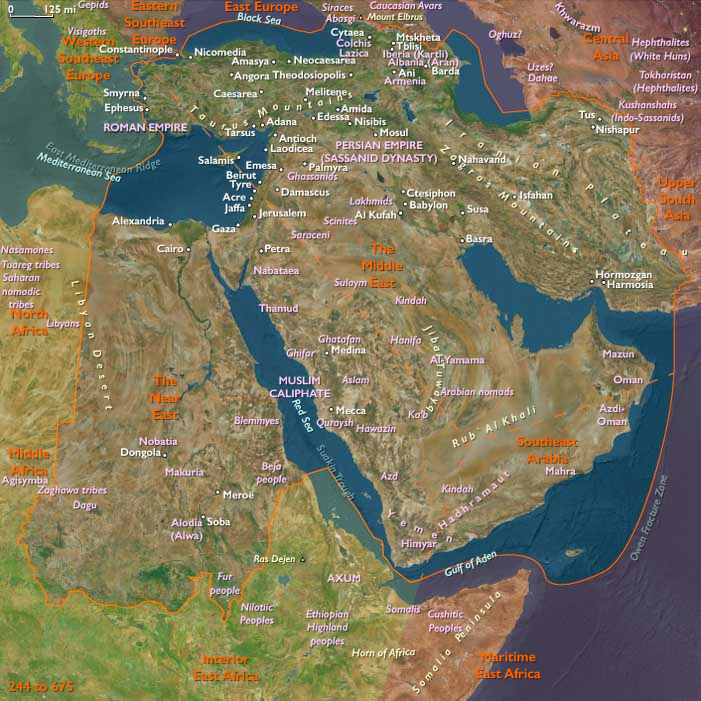
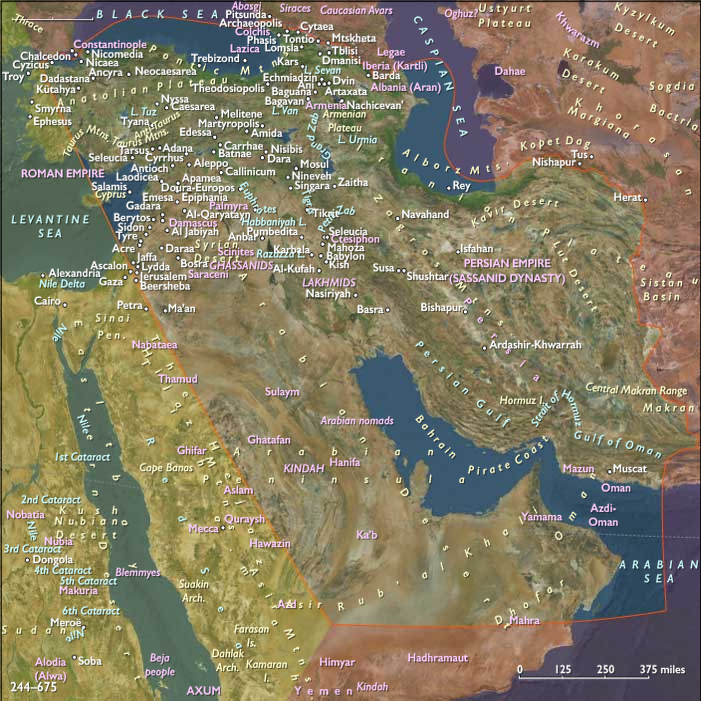
The influential Kartir has called for the persecution of adherents of other religions, in particular Manichaeans.
Under the guidance of Kartir, Bahram has had the prophet Mani, the founder of Manichaeism (and the author of the Shapurgan, which was dedicated to Bahram's father Shapur) sentenced to death.
Mani dies in his cell shortly before his execution.
However, rumors persist that Mani might have been flayed alive and his skin, stuffed with straw, suspended for some time over one of the gates of the great city of Shapur.
On Bahram’s orders, the prophet's death is followed by the persecution of his disciples.
Manichaeism is relatively well established by that time, and is supported by numerous priests under a hierarchy of religious leaders that include twelve apostles and seventy-two bishops.
Nearly all of them are handed over to the Zoroastrian clergy, who—under Kartir —consider Manichaeism a heresy and cause the followers of Mani to be executed or otherwise punished.
When Bahram dies, possibly of disease, later in 276, his son ascends the throne to rule as Bahram II; he will continue his predecessors' work of strengthening dynastic power as opposed to the nobility.
Locations
People
Groups
Topics
Commodoties
Subjects
Regions
Subregions
Related Events
Showing 10 events out of 60195 total
Years: 276 - 276
Locations
People
Groups
Topics
Commodoties
Subjects
Regions
Subregions