
The Revolt of Magnentius and the Battle …
Years: 340 - 351
The Revolt of Magnentius and the Battle for the Western Roman Empire (350–353 CE)
In 350 CE, Emperor Constans, the unpopular ruler of the Western Roman Empire, was overthrown and killed in a military conspiracy. His death led to the rise of Magnentius, a barbarian officer of Frankish descent, who was proclaimed emperor by the legions. This triggered a civil war with Constantius II, the last surviving son of Constantine the Great, who sought to avenge his brother’s murder and reclaim control of the West.
1. The Rise of Magnentius and His Early Successes (350 CE)
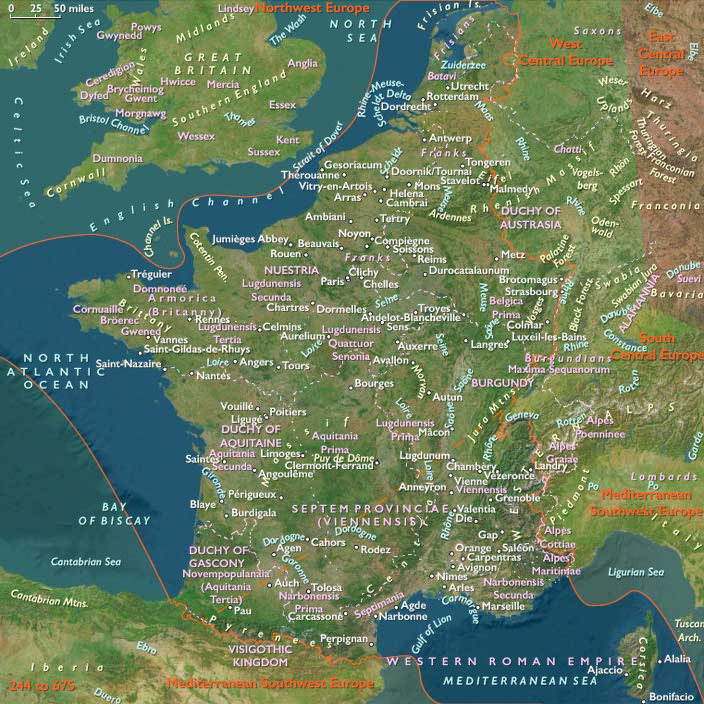
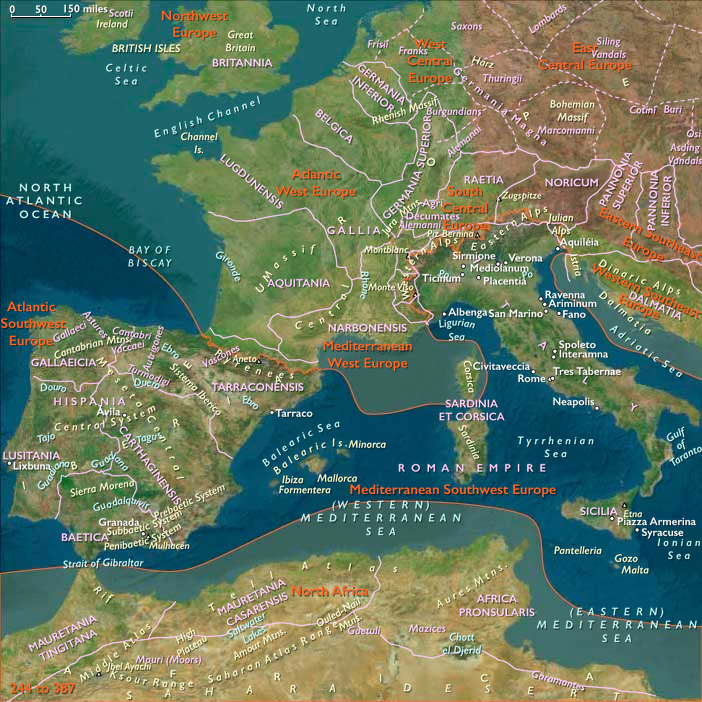
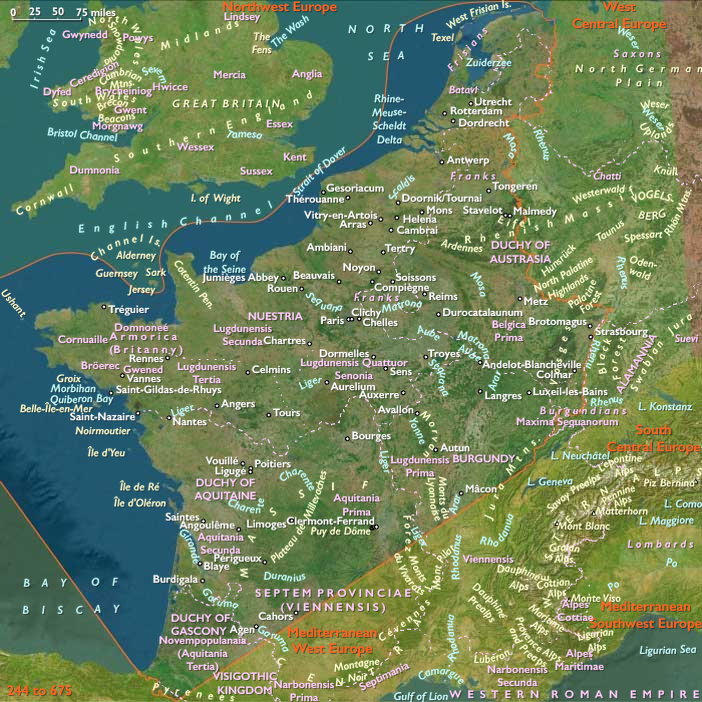
- Magnentius, commander of the Roman forces in Gaul, was proclaimed Augustus in Autun (modern France)after his soldiers assassinated Constans.
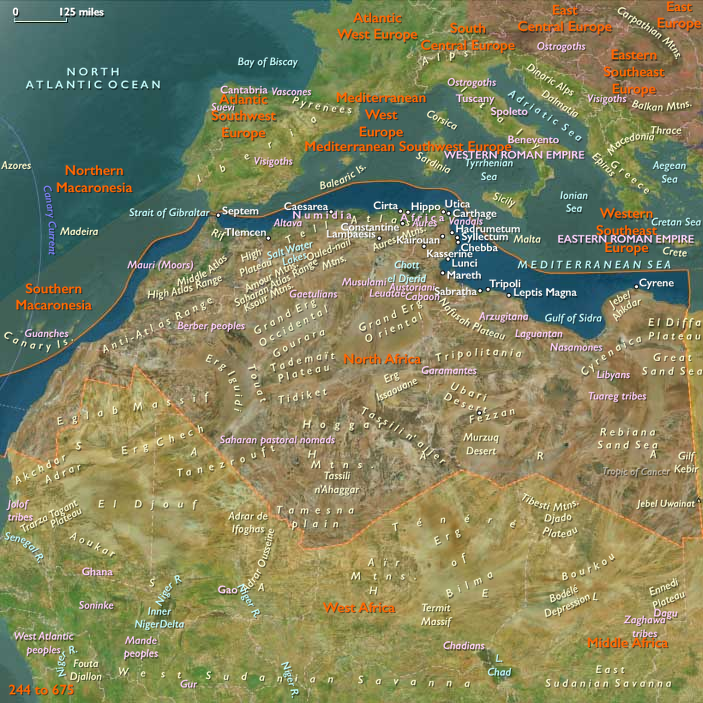
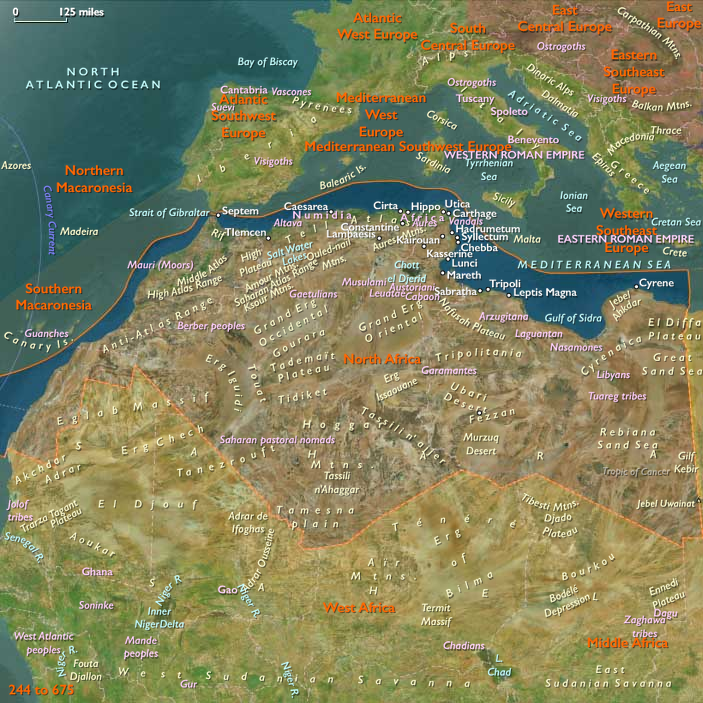
- His rule was widely accepted in the West, gaining the support of Britannia, Gaul, Hispania, and North Africa.
- Constantius II, who ruled the Eastern Roman Empire, refused to recognize Magnentius and prepared for war to avenge his brother.
2. The Civil War Begins: Magnentius Invades Illyricum (351 CE)
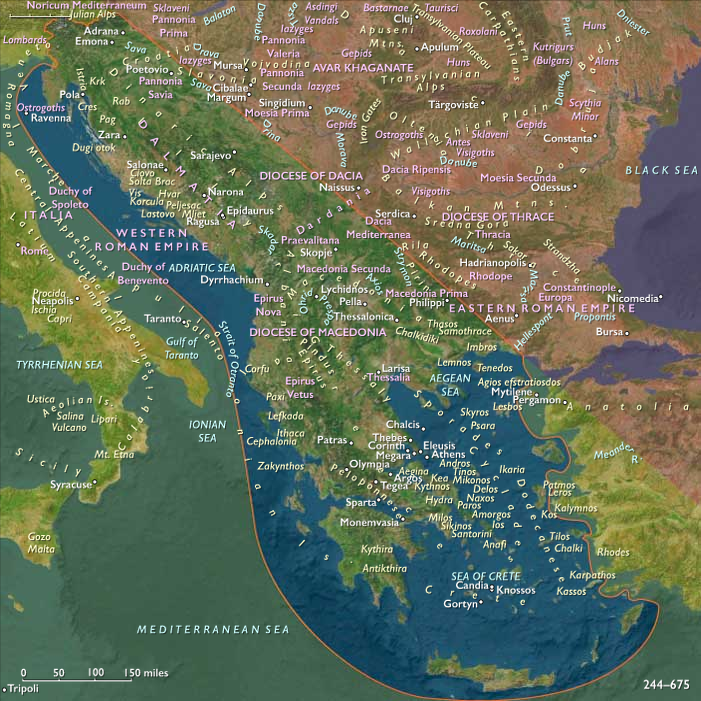
- In an attempt to strike first, Magnentius invaded Illyricum, a strategically important region connecting the Eastern and Western Empires.
- His army initially performed well, winning battles against Constantius' generals.
- However, his forces soon faced a major challenge—the cataphract cavalry of the Eastern Roman army.
3. The Turning Point: The Battle of Mursa (351 CE)
- The decisive battle took place at Mursa (modern Osijek, Croatia), where Constantius II’s army and Magnentius' forces clashed.
- Constantius’ heavily armored cataphract cavalry proved devastating against Magnentius' legions and Germanic auxiliaries.
- The battle resulted in one of the bloodiest defeats in Roman history, with both sides suffering massive casualties.
- Despite the heavy losses, Constantius emerged victorious, forcing Magnentius to retreat to northern Italy.
4. The Fall of Magnentius and the End of the Civil War (353 CE)
- After the defeat at Mursa, Magnentius’ control over the Western provinces began to unravel.
- Constantius methodically reclaimed Africa, Spain, and southern Italy, cutting off Magnentius' resources and reinforcements.
- In 353 CE, Constantius marched north to finally crush Magnentius, forcing him to retreat into Gaul.
- Facing rising opposition from both his army and the local population, Magnentius committed suicide, effectively ending the civil war.
5. Aftermath and Consequences
- Constantius II became sole ruler of the Roman Empire, the first time since the death of Constantine the Great that the empire was reunited under a single emperor.
- The civil war had devastated the Roman military, especially at Mursa, where the losses were so high that Rome struggled to recover its manpower.
- Constantius purged the remnants of Magnentius’ supporters and reinforced his autocratic rule, solidifying his position until his death in 361 CE.
Conclusion: The Lasting Impact of the Conflict
The revolt of Magnentius and the Battle of Mursa demonstrated the military and political instability of the mid-4th century. Though Constantius II reunited the empire, the heavy losses from the civil war weakened Rome’s ability to resist external threats, setting the stage for future Germanic and Persian pressures on the empire.
People
Groups
Topics
Subjects
Regions
Subregions
Related Events
Showing 10 events out of 59847 total
Years: 340 - 351
People
Groups
Topics
Subjects
Regions
Subregions