
The imperial forces opposing the nine-member German …
Years: 1547 - 1547
April
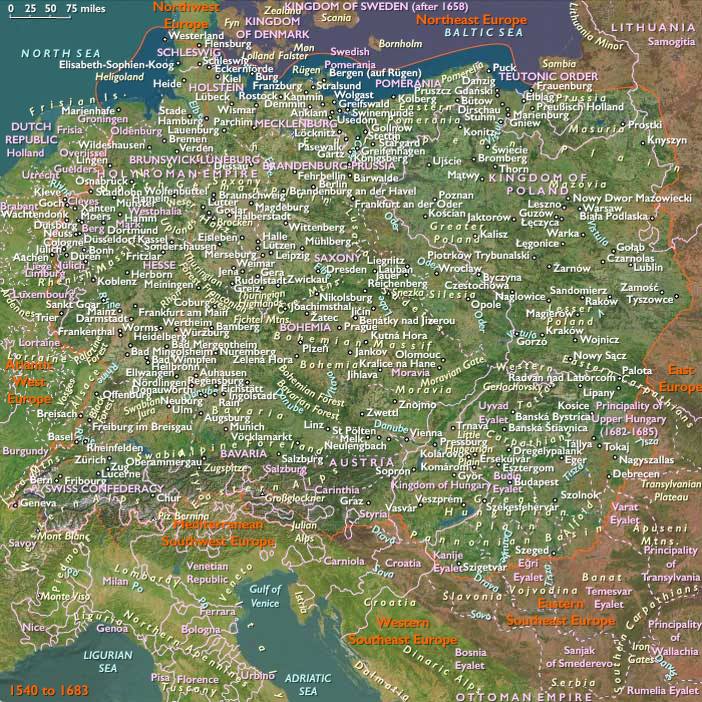
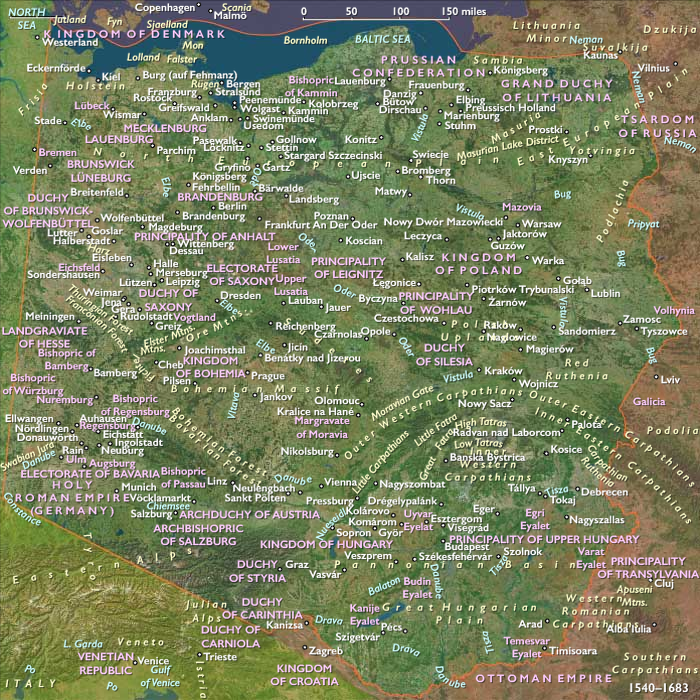
The imperial forces opposing the nine-member German Protestant Schmalkaldic League arrive at Mühlberg in April 1547.
The league’s forces are still not unified, and some of the members, including Maurice, duke of Albertine Saxony, defect to the side of Holy Roman Emperor Charles V. Charles’ forces, commanded by the Duke of Alba, rout the league’s Saxon army and capture its leader, Maurice’s second cousin, Elector Johann Friedrich (John Frederick) of Ernestine Saxony.
Philip, Landgrave of Hesse, the league’s Hessian leader, surrenders.
Locations
People
- Charles V, Holy Roman Emperor
- Fernando Álvarez de Toledo, 3rd Duke of Alba
- John Frederick of Saxony
- Maurice of Wettin
- Philip I of Hesse
Groups
Topics
Subjects
Regions
Subregions
Related Events
Showing 10 events out of 36472 total
Years: 1547 - 1547
April
Locations
People
- Charles V, Holy Roman Emperor
- Fernando Álvarez de Toledo, 3rd Duke of Alba
- John Frederick of Saxony
- Maurice of Wettin
- Philip I of Hesse
Groups
Topics
Subjects
Regions
Subregions