
The Collapse of the Tetrarchy and the …
Years: 304 - 315
The Collapse of the Tetrarchy and the Struggle for Power (305–307 CE)
Diocletian’s Tetrarchy, designed to prevent civil wars and succession crises, quickly unraveled after his abdication in 305 CE, leading to a chaotic struggle for imperial control. Within just two years, Rome found itself fragmented among multiple rival emperors, marking the beginning of the wars that would ultimately lead to Constantine’s rise.
1. The Abdication of Diocletian and the Division of Power (305 CE)
- In an unprecedented move, both Diocletian and Maximian—the two senior emperors (Augusti)—abdicated together, retreating into retirement.
- Their successors, Constantius Chlorus (West) and Galerius (East), were elevated to Augustus.
- To maintain the system, two new Caesars were appointed:
- Severus (West, under Constantius Chlorus).
- Maximinus Daia (East, under Galerius).
While this transition initially appeared stable, the system began to unravel almost immediately after Constantius Chlorus' death.
2. The Tetrarchy Unravels (306 CE)
- July 25, 306 CE – Constantius Chlorus dies in Eboracum (modern York) while campaigning in Britain.
- His troops immediately proclaim his son, Constantine, as Augustus, challenging the Tetrarchic system, which had not accounted for dynastic succession.
- August 306 CE – Galerius rejects Constantine’s claim, instead promoting Severus to Augustus of the West.
- October 28, 306 CE – A revolt in Rome leads to the Praetorian Guard proclaiming Maxentius (son of Maximian) as Augustus, further complicating the power struggle.
By the end of 306 CE, the empire was now ruled by five competing claimants:
- Four Augusti: Galerius, Constantine, Severus, and Maxentius.
- One Caesar: Maximinus Daia.
3. Further Fragmentation and the Return of Maximian (307 CE)
-
In 307 CE, the political crisis deepened as Maximian came out of retirement, reclaiming the title of Augustusalongside his son, Maxentius.
-
With Maximian's return, the empire now had six rulers, further destabilizing the situation.
-
Galerius and Severus launched a campaign against Maxentius and Maximian in Italy, but it ended in disaster:
- Severus was captured and executed on September 16, 307 CE, by order of Maxentius.
-
To secure his position, Maxentius arranged a political alliance with Constantine:
- Constantine married Fausta, Maximian’s daughter and Maxentius’ sister, strengthening ties between the two rulers.
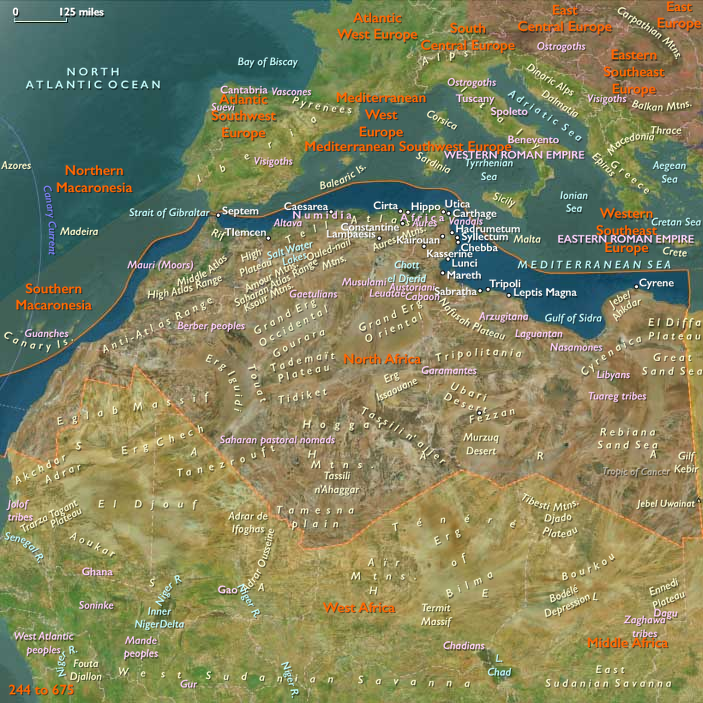
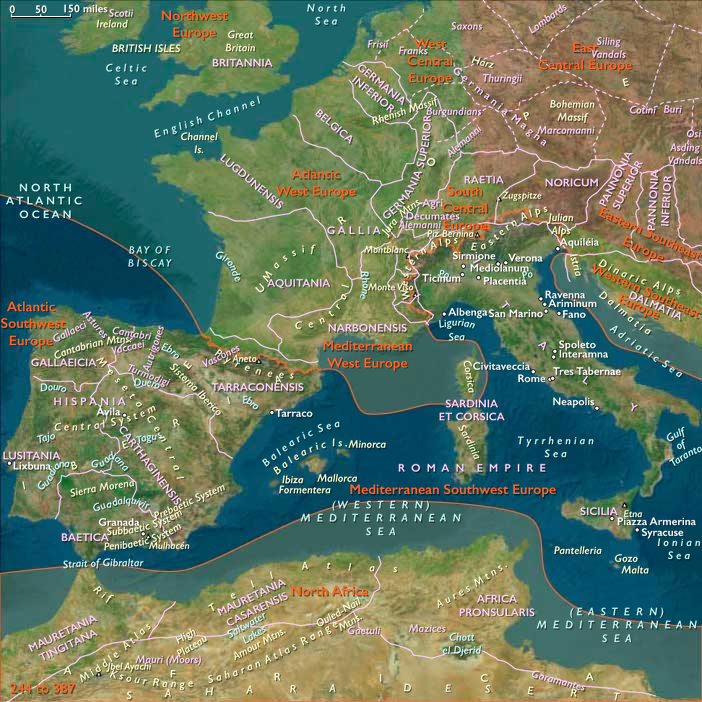
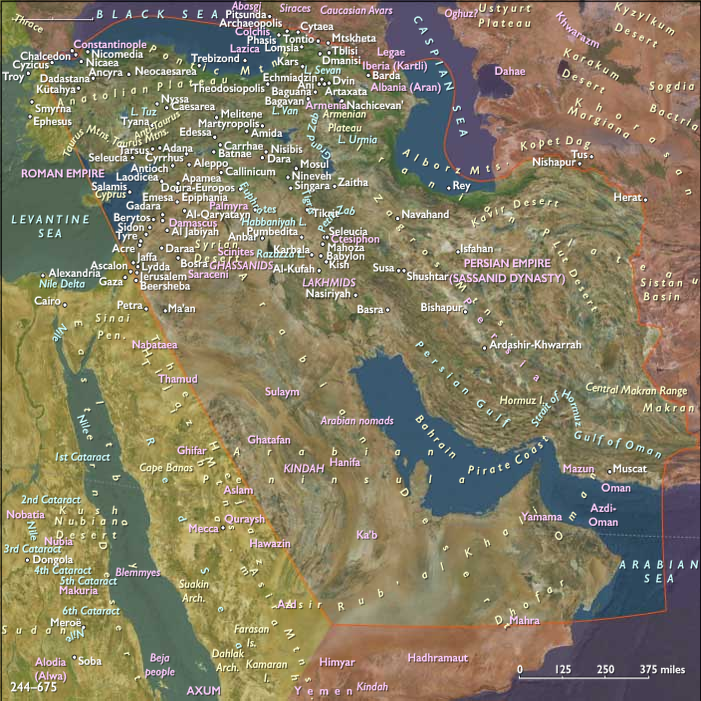
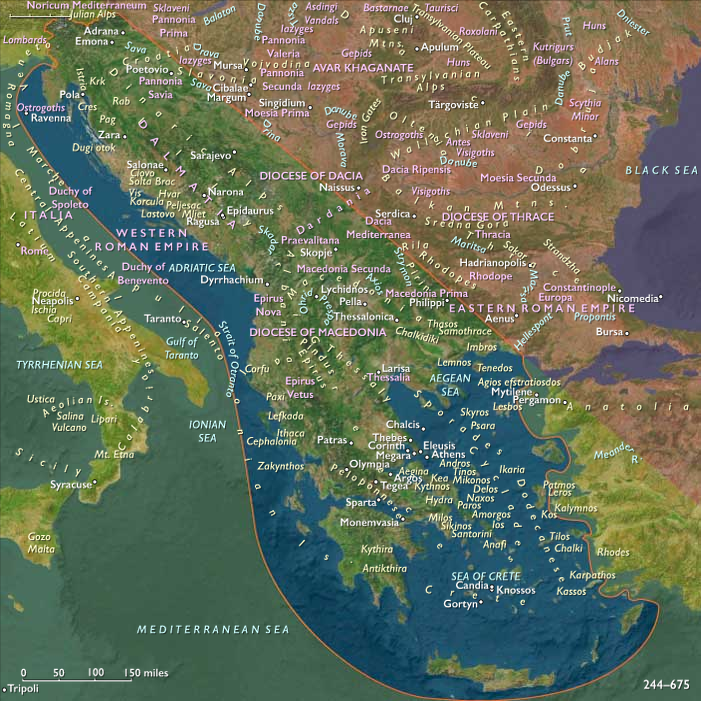
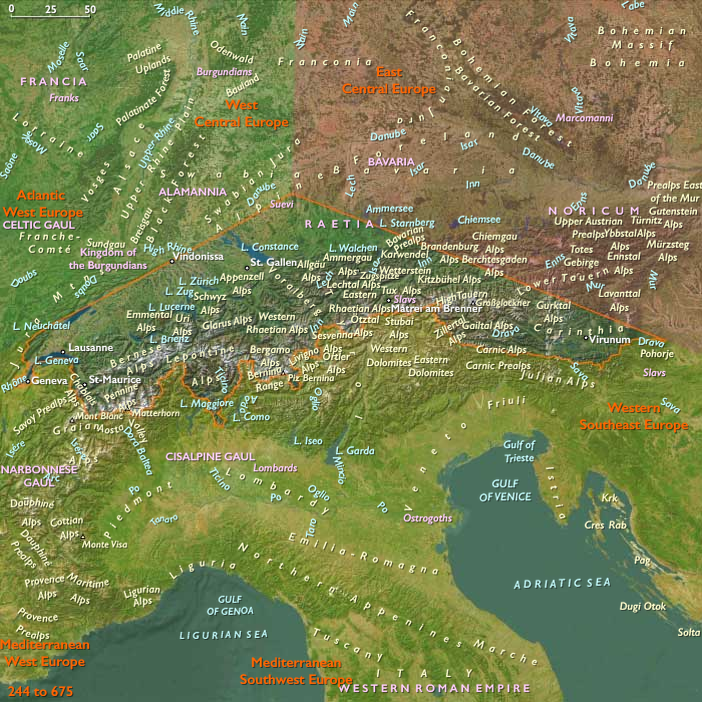
4. The Political Map of the Roman Empire (End of 307 CE)
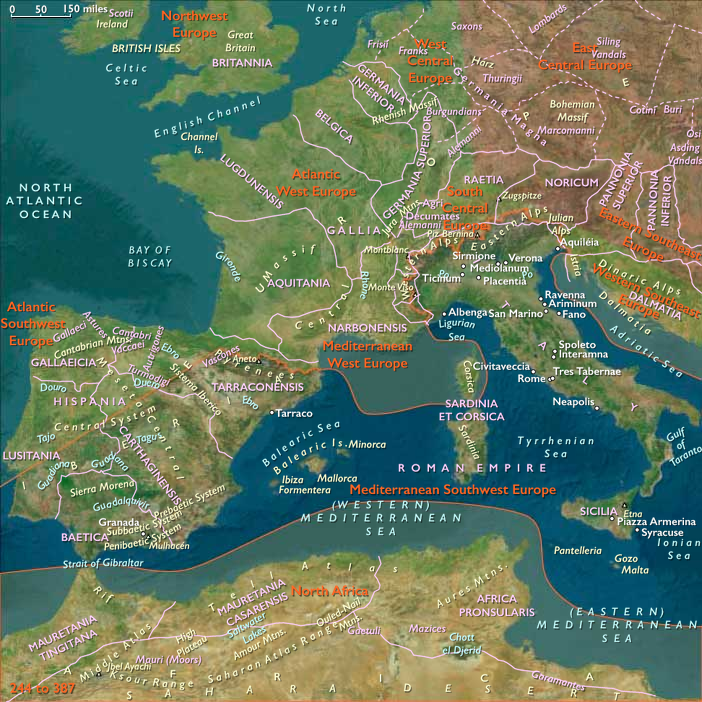
By the end of 307 CE, the Tetrarchy was in complete disarray, with power divided among:
-
Four Augusti:
- Maximian (Italy, ally of Maxentius).
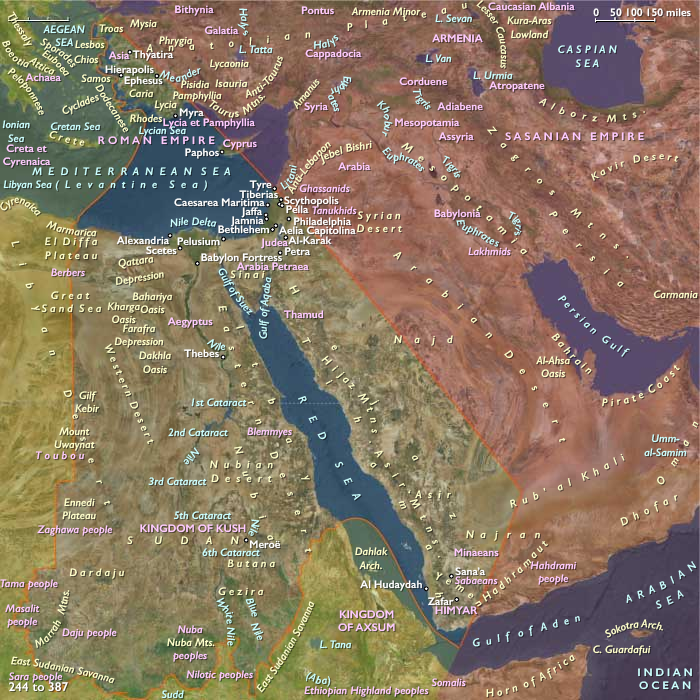
- Galerius (Eastern Roman Empire).
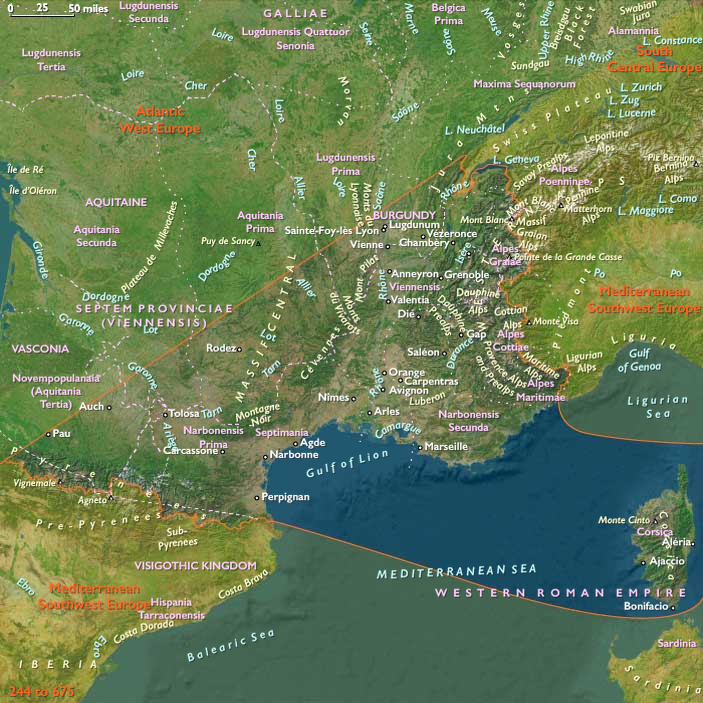
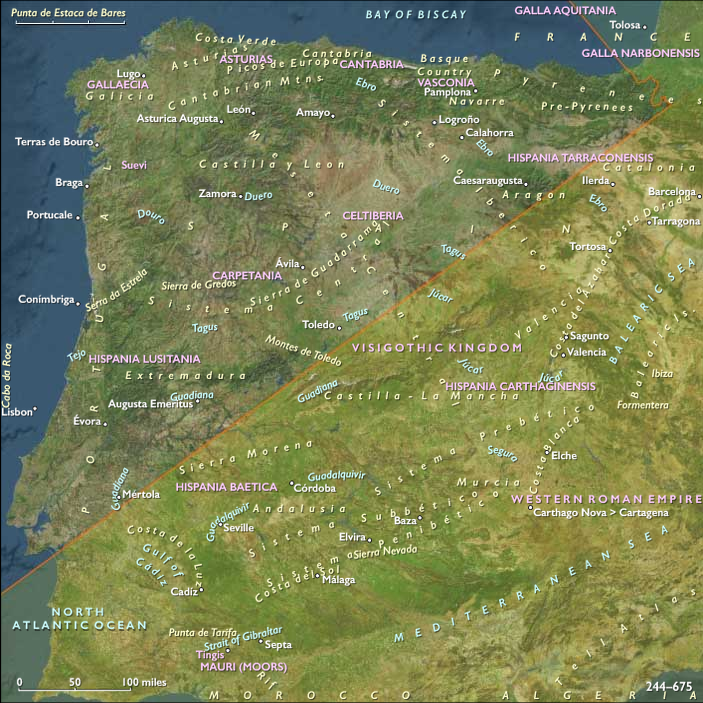
- Constantine (Western provinces, Britain, Gaul, and Spain).
- Maxentius (Rome and parts of Italy, self-declared Augustus).
-
One Caesar: Maximinus Daia, further signaling the collapse of the once carefully structured Tetrarchy.
5. The Road to Further Conflict (308–324 CE)
- The situation would continue to deteriorate as rivalries deepened, leading to further wars of succession.
- Over the next two decades, Constantine would gradually eliminate his rivals, culminating in the Battle of the Milvian Bridge (312 CE) against Maxentius and his ultimate defeat of Licinius (324 CE), becoming sole ruler of the Roman Empire.
The collapse of the Tetrarchy exposed the inherent flaws in Diocletian’s system, demonstrating that dynastic ambition and military loyalty ultimately dictated imperial succession, rather than any structured administrative plan.
People
- Constantine the Great
- Constantius Chlorus
- Diocletian
- Flavius Valerius Severus (Severus II)
- Galerius
- Maxentius
- Maximian
- Maximinus II
Groups
Topics
Commodoties
Subjects
- Commerce
- Environment
- Labor and Service
- Conflict
- Mayhem
- Faith
- Government
- Custom and Law
- Technology
- Movements
- Geography
Regions
- The Near and Middle East
- Southeast Europe
- Central Europe
- West Europe
- North Europe
- North Africa
- Southwest Europe

Subregions
- East Central Europe
- Eastern Southeast Europe
- Middle East
- Near East
- Western Southeast Europe
- South Central Europe
- Mediterranean West Europe
- Mediterranean Southwest Europe
- North Africa
- Atlantic Southwest Europe
- Atlantic West Europe
- West Central Europe
- Northwest Europe
Years: 304 - 315
People
- Constantine the Great
- Constantius Chlorus
- Diocletian
- Flavius Valerius Severus (Severus II)
- Galerius
- Maxentius
- Maximian
- Maximinus II
Groups
Topics
Commodoties
Subjects
- Commerce
- Environment
- Labor and Service
- Conflict
- Mayhem
- Faith
- Government
- Custom and Law
- Technology
- Movements
- Geography
Regions
- The Near and Middle East
- Southeast Europe
- Central Europe
- West Europe
- North Europe
- North Africa
- Southwest Europe
Subregions
- East Central Europe
- Eastern Southeast Europe
- Middle East
- Near East
- Western Southeast Europe
- South Central Europe
- Mediterranean West Europe
- Mediterranean Southwest Europe
- North Africa
- Atlantic Southwest Europe
- Atlantic West Europe
- West Central Europe
- Northwest Europe