
Filters:
The End of Christian Persecution and the …
Years: 304 - 315
The End of Christian Persecution and the Reforms of Constantine (311–313 CE)
By the early 4th century CE, the Roman Empire witnessed a major shift in religious policy. After decades of Christian persecution under Diocletian (303–311 CE), Emperor Galerius officially ended the repression of Christians in 311 CE, signaling a significant turning point in imperial attitudes toward Christianity.
1. The Edict of Toleration (311 CE) and the End of Persecution
- Galerius, once a strong opponent of Christianity, issued an edict of toleration, acknowledging that:
- The persecution of Christians had failed to eradicate the faith.
- Christianity should be tolerated, provided its followers prayed for the empire’s well-being.
- While this edict ended official state persecution, it did not fully legalize Christianity.
2. The Edict of Milan (313 CE) and the Full Legalization of Christianity
- Two years later, in 313 CE, Constantine the Great and Licinius issued the Edict of Milan, which:
- Granted Christians full legal status in the Roman Empire.
- Guaranteed religious tolerance for all faiths.
- Restored confiscated Christian properties, further legitimizing the Church.
- The Edict of Milan marked a decisive shift in imperial policy, paving the way for Christianity to become deeply intertwined with Roman governance.
3. Constantine’s Gradual Personal Conversion
- While Constantine became a protector of Christianity, his personal conversion unfolded gradually:
- He continued to patronize both Christian and pagan traditions, maintaining political flexibility.
- His famous vision of the Cross before the Battle of the Milvian Bridge (312 CE) strengthened his faith in Christianity.
- He was only baptized on his deathbed in 337 CE, reflecting a slow transformation rather than an abrupt conversion.
4. The Reforms of Diocletian and Constantine: Temporary Stability, Long-Term Challenges
The combined reforms of Diocletian and Constantine temporarily strengthened the Roman Empire by:
- Reorganizing the administration through the Tetrarchy and later centralized rule.
- Reforming the military, reinforcing the empire’s defensive capabilities.
- Stabilizing the economy, although Constantine’s introduction of the solidus (gold coin) had mixed long-term effects.
However, despite these efforts, chronic governance challenges persisted, including:
- Internal power struggles, leading to civil wars even after Constantine’s reign.
- Frontier pressures, as Germanic and Persian threats continued.
- Economic difficulties, as taxation and inflation weakened Rome’s financial stability.
5. Conclusion: The Transition to a Christian Empire and the Road Ahead
- The legalization of Christianity marked the beginning of a new era, leading to its eventual status as the official state religion under Theodosius I (381 CE).
- Constantine’s reforms prolonged the empire’s survival, but deep-seated issues remained, foreshadowing the eventual decline of the Western Roman Empire in the 5th century.
Though imperial stability was temporarily restored, the challenges faced by Rome would continue to evolve, shaping the empire’s fate in the centuries to come.
People
Groups
- Christians, Jewish
- Christians, Early
- Roman Empire: Tetrarchy
- Christianity, Arian
- Christians, Meletian
- Christians, Armenian Apostolic Orthodox
Topics
Commodoties
Subjects
Regions

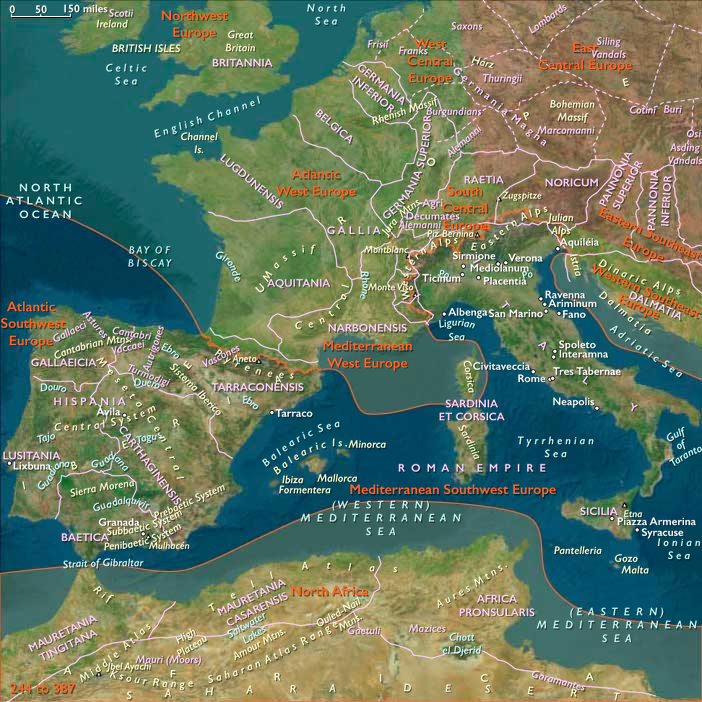
Subregions
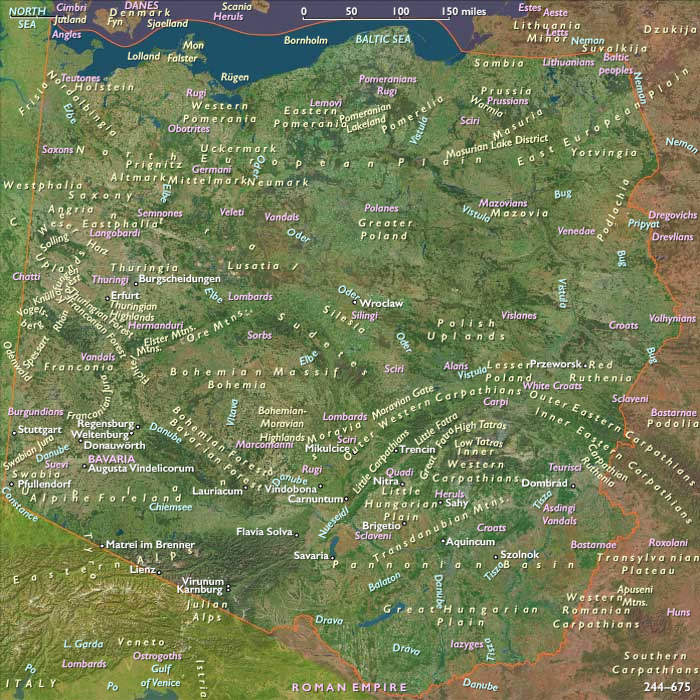
- East Central Europe
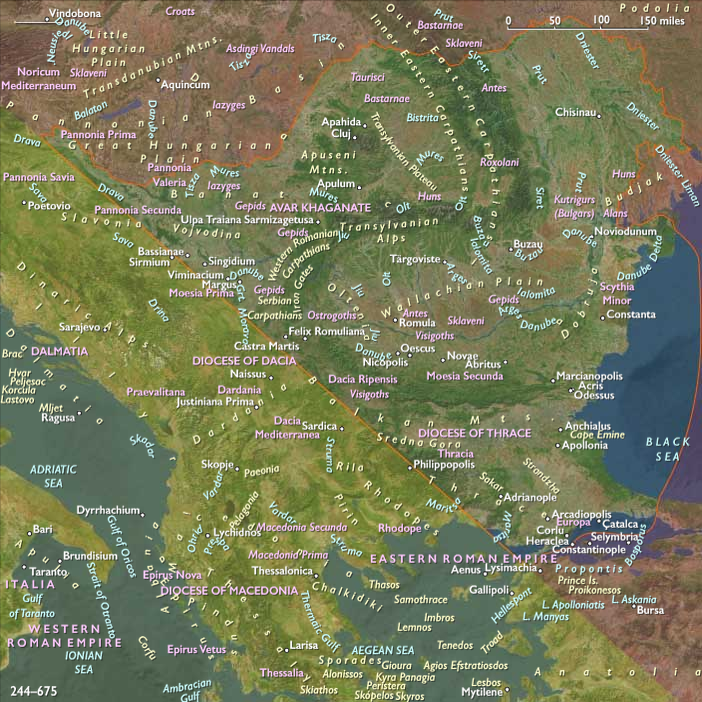
- Eastern Southeast Europe
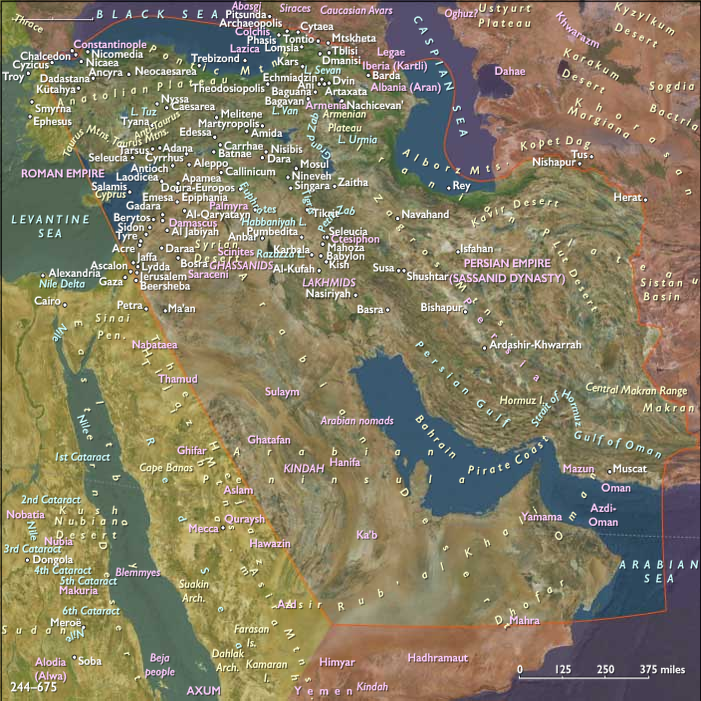
- Middle East
- Near East
- Western Southeast Europe
- South Central Europe
- Mediterranean West Europe
- Mediterranean Southwest Europe
- North Africa
- Atlantic Southwest Europe
- Atlantic West Europe
- West Central Europe
- Northwest Europe
Years: 304 - 315
People
Groups
- Christians, Jewish
- Christians, Early
- Roman Empire: Tetrarchy
- Christianity, Arian
- Christians, Meletian
- Christians, Armenian Apostolic Orthodox
Topics
Commodoties
Subjects
Regions
Subregions
- East Central Europe
- Eastern Southeast Europe
- Middle East
- Near East
- Western Southeast Europe
- South Central Europe
- Mediterranean West Europe
- Mediterranean Southwest Europe
- North Africa
- Atlantic Southwest Europe
- Atlantic West Europe
- West Central Europe
- Northwest Europe