
The Breton War of Succession (1341–1364): A …
Years: 1336 - 1347
The Breton War of Succession (1341–1364): A Proxy War in the Hundred Years’ War
The Breton War of Succession (1341–1364) was a prolonged dynastic conflict between the House of Blois and the House of Montfort over control of the Duchy of Brittany. Though a regional dispute, it became deeply entangled in the Hundred Years’ War, as both England and France backed rival claimants, turning Brittany into a crucial battleground in their broader struggle for dominance.
The Origins of the Conflict
The war began following the death of Duke John III of Brittany in 1341, who left no direct heir. Two factions emerged to claim the duchy:
- Charles of Blois, supported by his uncle, King Philip VI of France.
- John of Montfort, who sought assistance from Edward III of England, aligning his claim with England’s broader ambitions in France.
As a result, Brittany became a proxy war, with both sides investing significant military resources to secure control over the duchy.
Key Phases of the War
- Early Fighting (1341–1347): The conflict saw a mix of sieges, skirmishes, and naval engagements, with Charles of Blois gaining early support but John of Montfort securing English backing.
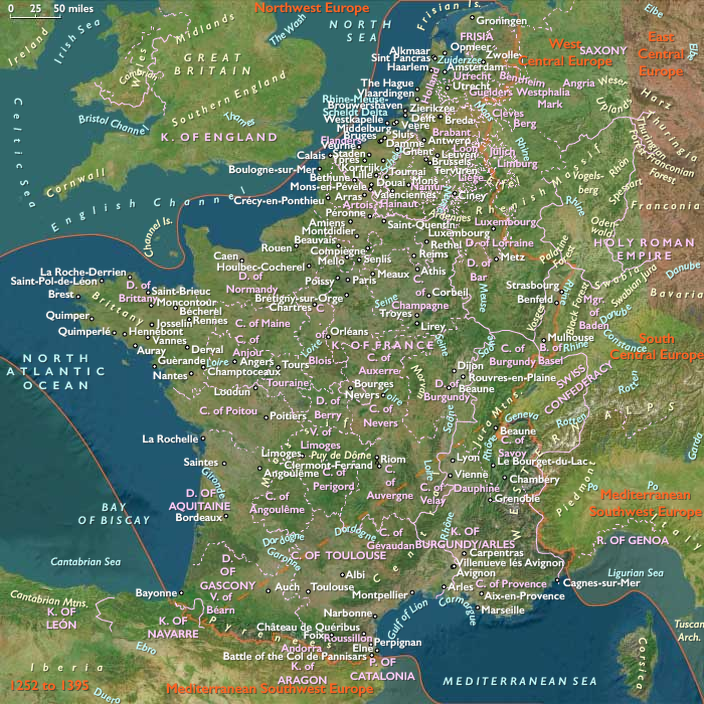
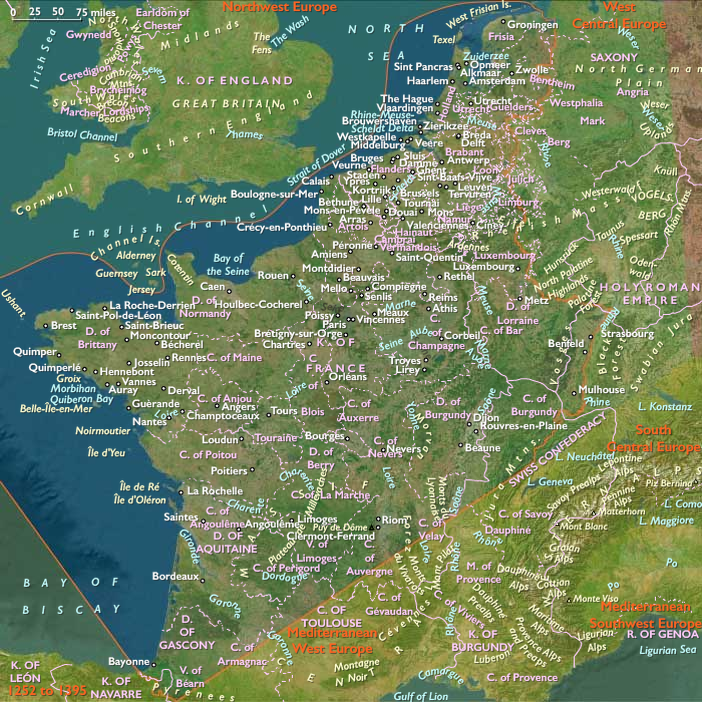
- The Siege of Hennebont (1342): Montfort’s widow, Jeanne de Flanders, famously defended Hennebont against French forces, rallying support until English reinforcements arrived.
- The Battle of La Roche-Derrien (1347): A major victory for the English-backed Montfort faction, leading to Charles of Blois’ capture.
- Renewed War (1356–1364): After Charles was released in 1356, the war reignited, culminating in the decisive Battle of Auray (1364), where he was killed and John IV of Montfort emerged victorious.
The Treaty of Guérande (1365)
The war officially ended with the Treaty of Guérande (1365), in which John IV of Montfort was recognized as Duke of Brittany, though he still owed fealty to the French Crown. While England’s ally had triumphed, the war further weakened Brittany, leaving it vulnerable to French influence in the decades to come.
Significance in the Hundred Years' War
The Breton War of Succession was more than a localized dynastic struggle—it was a critical theater in the early stages of the Hundred Years' War, forcing France and England to divert resources while shaping the balance of power in northwestern France. The war also demonstrated the importance of Breton ports and alliances, which would remain strategically significant for the duration of the Hundred Years’ War.
People
- Charles of Blois Châtillon
- Edward III of England
- Joan of Flanders
- John III, Duke of Brittany
- John of Montfort
- Philip VI of France
Groups
Topics
Subjects
Regions
Subregions
Years: 1336 - 1347
People
- Charles of Blois Châtillon
- Edward III of England
- Joan of Flanders
- John III, Duke of Brittany
- John of Montfort
- Philip VI of France
Groups
Topics
Subjects
Regions
Subregions